Table of Contents
- Quick Answer: What Are The Biggest Bodybuilding Trends For 2027?
- Classic Physique Keeps Influencing Gym Culture
- Recovery Tech Becomes Part Of Bodybuilding Prep
- AI Coaching Moves From Novelty To Tool
- Smarter Training Replaces Random Intensity
- Wearables And Data-Driven Hypertrophy
- Smarter Bulking And Cutting
- Longevity And Joint-Friendly Training
- Natural Expectations Become More Important
- The Coach’s Role Will Change
- Final Thoughts
Bodybuilding in 2027 is moving toward a smarter, more balanced model. Size still matters, and muscle growth remains the sport’s foundation. However, more athletes now care about proportion, recovery, longevity, data, and sustainable progress. As a result, the best programs no longer focus only on brutal workouts and extreme diets.
Several trends are shaping this shift. Classic Physique continues to influence how lifters think about aesthetics. Wearables and recovery technology now help athletes monitor sleep, heart rate variability, training readiness, and fatigue. AI coaching tools are also becoming more common, especially for program adjustments, exercise selection, nutrition tracking, and accountability. Meanwhile, smarter training methods are replacing random high-volume workouts with structured progress.
So, bodybuilding in 2027 isn’t just about training harder. It is about training with better feedback, clearer goals, and more respect for recovery.
Quick Answer: What Are The Biggest Bodybuilding Trends For 2027?
The biggest bodybuilding trends for 2027 include the continued rise of Classic Physique, more recovery-focused training, wider use of wearable technology, AI-assisted coaching, data-driven programming, smarter bulking and cutting, and a stronger focus on longevity.
The American College of Sports Medicine ranked wearable technology as the top fitness trend for 2026, while mobile exercise apps and data-driven technology also ranked highly. That momentum is likely to shape bodybuilding in 2027 because lifters now want training plans that respond to sleep, recovery, readiness, and performance data.
Classic Physique Keeps Influencing Gym Culture
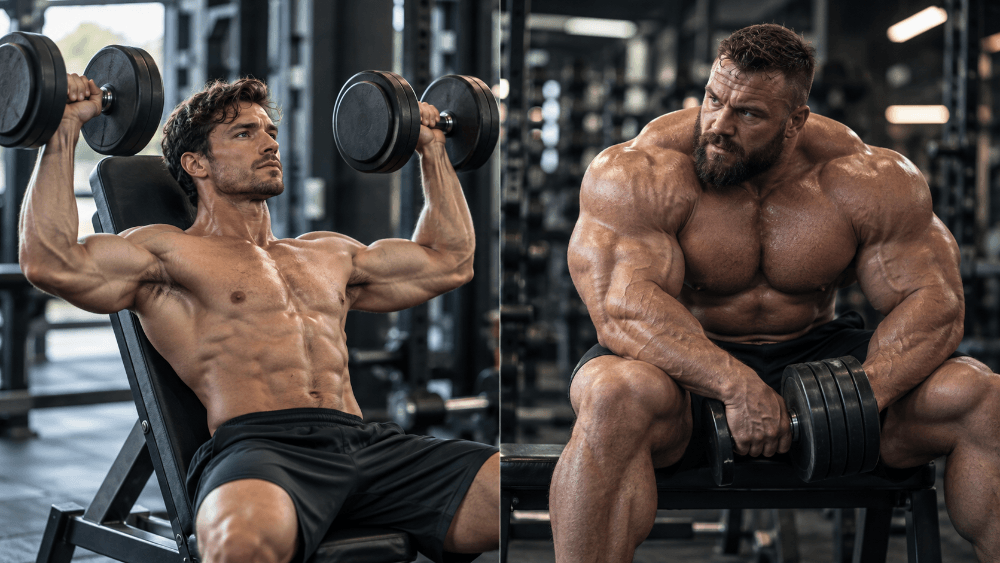
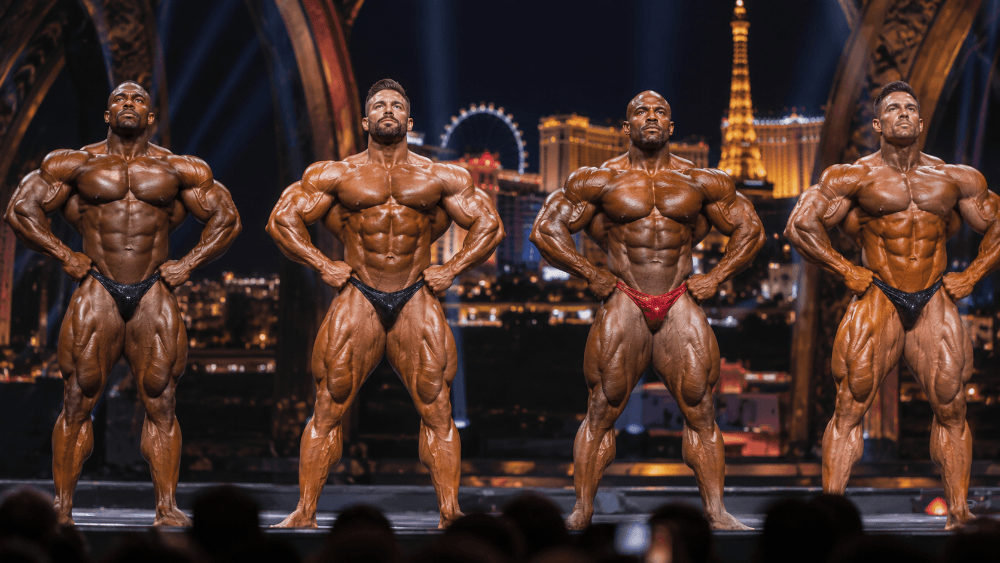
Classic Physique has become one of bodybuilding’s strongest cultural forces because it offers a look that many lifters find more balanced and realistic than extreme mass bodybuilding. The division rewards shape, symmetry, a small waist, broad shoulders, proportion, and stage presentation.
This matters because many recreational lifters no longer want size at any cost. Instead, they want a muscular body that still looks athletic, aesthetic, and wearable in everyday life. As a result, more programs now emphasize shoulders, upper chest, back width, calves, waist control, and posing awareness.
Classic Physique also continues to draw attention through Olympia storylines. In 2026, Niall Darwen won the Olympia Classic Physique title, while Ramon Dino’s result kept the division at the center of fan discussion. As a result, the division will likely continue to shape training content, coaching packages, and physique goals in 2027.
Recovery Tech Becomes Part Of Bodybuilding Prep
Recovery used to rely mostly on feel. Athletes judged soreness, energy, motivation, and performance. However, recovery technology now gives lifters more feedback. Wearables can track sleep duration, resting heart rate, heart rate variability, skin temperature, and activity load.
This does not mean devices know everything. A wearable cannot perfectly understand muscle damage, joint stress, digestion, or mental fatigue. However, it can reveal patterns. For example, poor sleep and low readiness scores may explain why performance drops during a hard training block.
In 2027, more bodybuilders will likely use recovery tech to decide when to push, when to deload, and when to reduce cardio. ACSM noted that advanced biosensors now capture indicators such as heart rhythm, blood pressure, blood glucose, and skin temperature, while data-driven technology can help align training with recovery status.
AI Coaching Moves From Novelty To Tool
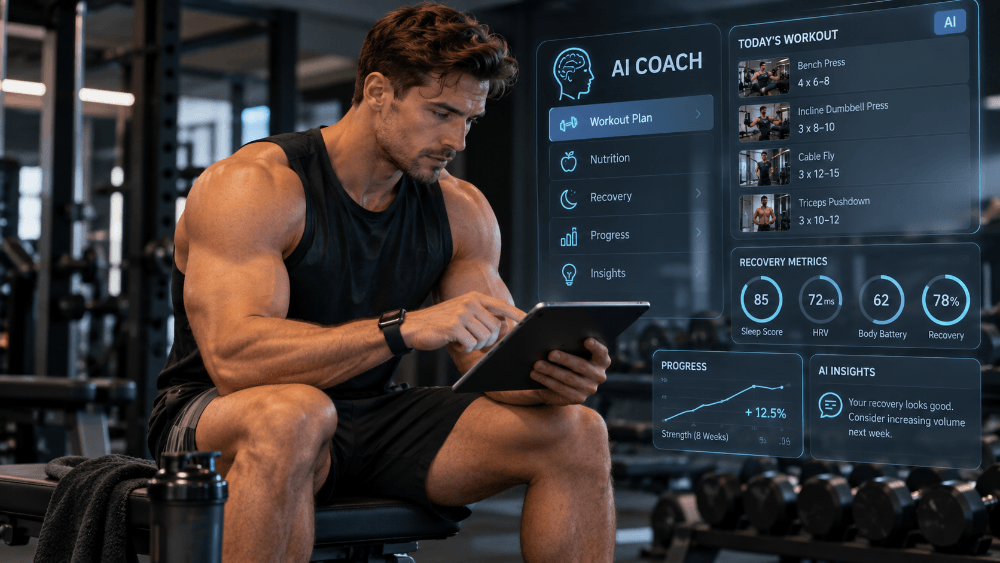
AI coaching is becoming more practical. Early fitness apps mostly counted calories or displayed workouts. However, newer AI tools can adjust training plans, interpret wearable data, suggest exercise swaps, track recovery, and provide conversational support.
For bodybuilding, this trend matters because progress depends on many variables. Training volume, exercise selection, calories, protein, sleep, soreness, strength performance, and body weight all interact. Therefore, AI can help organize information many lifters already collect but don’t know how to use.
However, AI coaching will not fully replace expert human coaches for serious competitors. Peak week, posing, injury management, and contest prep still require judgment, experience, and direct visual assessment. Instead, the best 2027 model may combine AI systems with human coaching. AI can handle daily tracking and pattern recognition, while coaches make higher-level decisions.
Smarter Training Replaces Random Intensity
Bodybuilding culture has always celebrated hard work. However, in 2027, smarter training is becoming just as important as intensity. More lifters now understand that muscle growth depends on progressive overload, quality volume, controlled execution, and recovery.
A smarter bodybuilding program usually includes:
- Clear training blocks
- Progressive overload targets
- Exercise selection based on structure
- Volume adjusted by recovery
- Deloads before fatigue becomes chronic
- Rep ranges matched to goals
- Better technique tracking
- Less random “junk volume”
This shift matters because many lifters stall by doing too much. They add sets, drop sets, supersets, and training to failure without checking whether performance improves. However, better programs measure results. If a muscle grows and lifts improve, the plan works. If fatigue rises while strength drops, adjust the plan.
Wearables And Data-Driven Hypertrophy
Wearables do not directly measure muscle growth, but they can support hypertrophy training. For example, a lifter may track sleep quality, resting heart rate, steps, workout duration, and recovery scores. Then, they can compare those signals with strength performance and body-weight trends.
This helps answer useful questions. Did leg performance drop after steps increased too much? Did sleep decline during a cut? Did resting heart rate rise after adding extra cardio? Did a deload improve readiness and strength?
ACSM’s 2026 trend report ranked wearable technology, mobile exercise apps, and data-driven technology among the most important fitness trends, suggesting data-supported training will keep growing in 2027.
However, data should guide decisions, not control them blindly. If a wearable says readiness is low, but the athlete feels strong and performs well, the session may still go ahead. Likewise, a good score does not mean joint pain should be ignored.
Smarter Bulking And Cutting
Bulking and cutting are also becoming more controlled. Old-school bodybuilding often accepted aggressive bulks and brutal cuts. However, modern lifters increasingly prefer smaller surpluses, slower fat-loss phases, and better health monitoring.
A smart bulk focuses on gaining muscle without adding unnecessary fat. A smart cut reduces body fat while preserving strength and muscle. As a result, athletes now track more than body weight. They also monitor performance, waist measurements, photos, sleep, appetite, digestion, and mood.
This approach fits the 2027 trend toward longevity. Lifters want results, but they also want to train for decades. Extreme swings may still appear in competitive prep, but everyday bodybuilding is moving toward more sustainable phases.
Longevity And Joint-Friendly Training
Bodybuilding is also becoming more longevity-focused. Many lifters now want muscle, but they also want healthy joints, good mobility, better bloodwork, and the ability to train long term.
This trend changes exercise selection. Machines, cables, dumbbells, and controlled ranges of motion are becoming more respected. Lifters no longer need to prove every program with maximal barbell lifts. Instead, they choose movements that load the target muscle well while reducing unnecessary joint stress.
More programs also include mobility, warm-ups, controlled eccentrics, core stability, and lower-impact cardio. This does not make training soft. It makes training repeatable.
Natural Expectations Become More Important
Another major 2027 trend involves expectation management. Social media still exposes lifters to enhanced physiques, extreme transformations, and unrealistic timelines. However, more creators now openly discuss natural vs. enhanced bodybuilding.
This transparency matters because natural lifters need different expectations. They often need slower bulks, more careful volume management, and longer timelines. Enhanced athletes may recover faster and hold more muscle while cutting. Comparing the two groups without context can damage motivation and lead to poor choices.
In 2027, better bodybuilding education should help lifters understand what natural progress looks like, what enhanced physiques may involve, and why health matters more than chasing someone else’s timeline.
The Coach’s Role Will Change
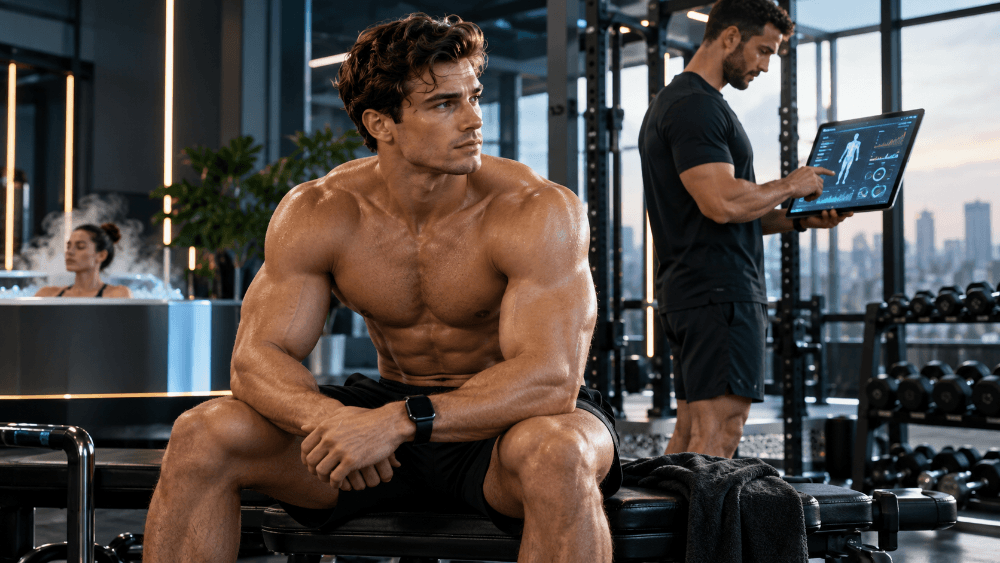
Coaches will not disappear. Instead, their role will become more analytical and personal. As AI apps and wearables handle more tracking, good coaches will add value through interpretation, accountability, emotional support, technique review, posing guidance, contest prep, and individual decision-making.
The best coaches in 2027 will likely understand both science and technology. They will know how to use wearable trends without overreacting. They will also know when a client needs more food, less volume, better sleep, or a complete mindset reset.
Final Thoughts
Bodybuilding trends for 2027 point toward a smarter version of the sport. Classic Physique continues to push lifters toward proportion and aesthetics. Recovery technology helps athletes understand fatigue. AI coaching makes training more adaptive. Meanwhile, smarter programs replace random intensity with structured progress.
Ultimately, bodybuilding will always reward discipline, effort, and consistency. However, the next wave rewards athletes who combine hard work with better feedback. The future belongs to lifters who train hard, recover well, use data wisely, and build physiques that last.