Table of Contents
- Quick Answer: What Is Wellness Bodybuilding?
- Why Wellness Was Needed
- What Judges Look For In Wellness
- Why Wellness Appeals To Modern Gym Culture
- The Brazilian Influence
- Wellness Olympia And Mainstream Visibility
- Wellness Vs Bikini: Why The Difference Matters
- Training For Wellness Bodybuilding
- Nutrition And Conditioning In Wellness
- Why Wellness Is Good For The Sport
- Final Thoughts
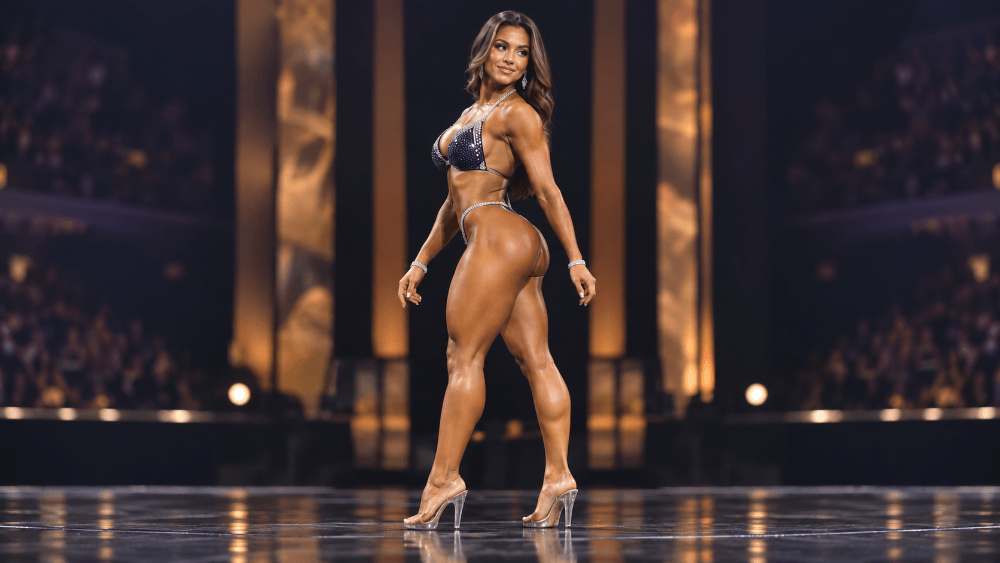
Wellness bodybuilding has become one of the biggest divisions in competitive fitness because it gives many athletes a category that matches their natural structure, training goals, and visual identity. Instead of rewarding the same balance as Bikini or the upper-body development of Figure, Wellness celebrates a more lower-body-dominant physique with strong glutes, thighs, and an athletic but polished stage look.
This matters because women’s physique competition has expanded far beyond one standard. Today, athletes can choose from Fit Model, Bikini, Wellness, Figure, Women’s Physique, and Women’s Bodybuilding. As a result, competitors no longer need to force their bodies into the wrong category. Wellness gives athletes with stronger lower bodies a clearer path.
Additionally, the division has gained huge visibility through the Olympia stage, Brazilian champions, social media, and gym culture’s growing focus on glute and leg development. As a result, Wellness now feels like one of the most culturally aligned divisions in modern fitness.
Quick Answer: What Is Wellness Bodybuilding?
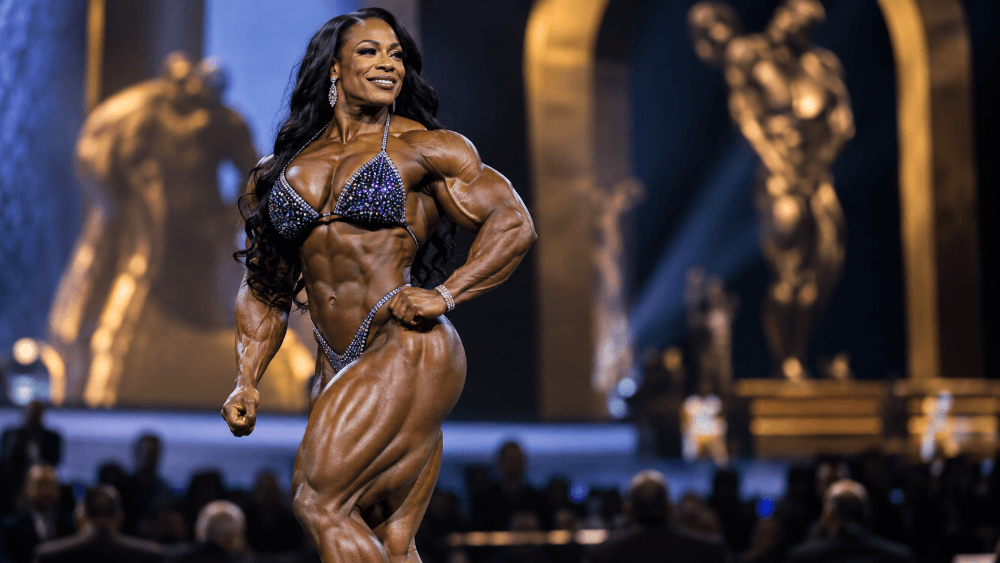
Wellness bodybuilding is a women’s physique division that rewards an athletic, shapely, lower-body-dominant look. Official NPC criteria describe Wellness competitors as having a muscle foundation that shapes the female body, with more development in the hips, glutes, and thighs than in the upper body. The upper body should show development, but not to the same degree as the lower body.
In simple terms, Wellness sits between Bikini and Figure in overall development, but with a unique emphasis on the lower body. Competitors should look fit, muscular, curvy, and stage-ready without the extreme upper-body size or deep striations seen in more muscular divisions.
Why Wellness Was Needed
Before Wellness became widely available, some athletes struggled to fit existing divisions. Bikini rewarded a balanced, polished, and less muscular physique. Figure rewarded more shoulder width, muscle tone, and symmetry. Women’s Physique and Bodybuilding rewarded even more muscular development.
However, many women naturally build stronger glutes, hips, and thighs while carrying less upper-body size. In Bikini, they could look too muscular or too lower-body dominant. In Figure, they might lack the upper-body width and muscle balance judges wanted.
Therefore, Wellness solved a real problem. It gave those athletes a division where their structure became an advantage instead of a judging obstacle. Moreover, it created a category that reflected a look already popular in gyms: strong legs, developed glutes, a tight waist, and a confident athletic shape.
What Judges Look For In Wellness
Wellness judging focuses on shape, proportion, muscular development, conditioning, and presentation. The key distinction, however, is lower-body dominance. The glutes, hamstrings, quadriceps, and hips should clearly stand out. Meanwhile, the upper body should look trained, but not overpowering.
IFBB Pro League materials describe the Wellness look as having more lower-body muscle size than the upper body, along with attention to hair, overall development, shape, and presentation.
A Strong Wellness Competitor Usually Brings:
- Full glute development
- Developed quads and hamstrings
- A balanced but less dominant upper body
- A small-looking waist
- Feminine presentation and stage confidence
- Conditioning without extreme striations
- Smooth transitions and polished posing
As a result, Wellness rewards a very specific physique. It is not simply “bigger Bikini” or “smaller Figure.” It has its own standard.
Why Wellness Appeals To Modern Gym Culture
Wellness fits modern gym culture because many women have made lower-body training a major focus. Glute-building programs, leg-day content, hip thrust variations, cable kickbacks, Romanian deadlifts, and lower-body transformations dominate social media feeds.
As a result, the Wellness look feels familiar to many fitness followers. It reflects what they already train for: stronger glutes, fuller legs, a lean waist, and a fit appearance. Additionally, the division looks athletic without requiring the extreme muscularity associated with Women’s Physique or Bodybuilding.
This cultural alignment gives Wellness a major advantage. Fans understand the look quickly. Competitors see a realistic category for their strengths. Coaches can build programs around a clear visual goal. As a result, the division naturally connects with both stage athletes and everyday gym audiences.
The Brazilian Influence
Brazil has played a huge role in Wellness bodybuilding’s rise. The division has often been associated with Brazilian competitors because many successful athletes from Brazil brought the lower-body-dominant look that became central to the category’s identity.
That influence continues at the Olympia level. Eduarda Bezerra won the 2025 Wellness Olympia and defended the title in 2026, becoming a two-time champion. In 2026, she defeated former champion Isa Pereira Nunes, with Elisa Alcantara finishing second.
Moreover, Brazilian athletes have helped make Wellness feel like a global division, not a small niche. Their fan bases, stage presence, and social media reach have pushed Wellness into the spotlight.
Wellness Olympia And Mainstream Visibility
The Olympia stage changed Wellness dramatically. Once a division reaches Olympia Weekend, it gains prestige, media attention, sponsorship value, and clearer competitive meaning. Athletes no longer compete only for local or regional recognition. They can aim for the sport’s biggest stage.
The Wellness Olympia debuted in 2020 and quickly became a weekend centerpiece. Since then, fans have followed rivalries, title changes, and judging debates with increasing interest. In 2026, Folha reported that Eduarda Bezerra won the Wellness Olympia title again, while Brazil also celebrated major Olympia results in other women’s divisions.
As a result, Wellness has everything every major division needs: recognizable champions, international rivalries, fan engagement, and an instantly recognizable look.
Wellness Vs Bikini: Why The Difference Matters
Many people compare Wellness and Bikini because both divisions emphasize presentation, shape, and stage polish. However, the difference matters.
| Category | General Look | Main Emphasis |
|---|---|---|
| Bikini | Balanced, polished, moderate muscularity | Shape, glutes, overall balance, stage presence |
| Wellness | Lower-body dominant, more muscular legs and glutes | Glutes, thighs, hips, lower-body shape |
| Figure | More upper-body development and symmetry | Shoulders, back, taper, muscle tone |
This distinction helps athletes choose the right path. A competitor with strong glutes and legs may struggle to reduce lower-body dominance for Bikini. Instead, Wellness lets her build on that strength.
Additionally, Wellness can reduce confusion for judges and competitors. With a clear standard, athletes can prep with more confidence.
Training For Wellness Bodybuilding
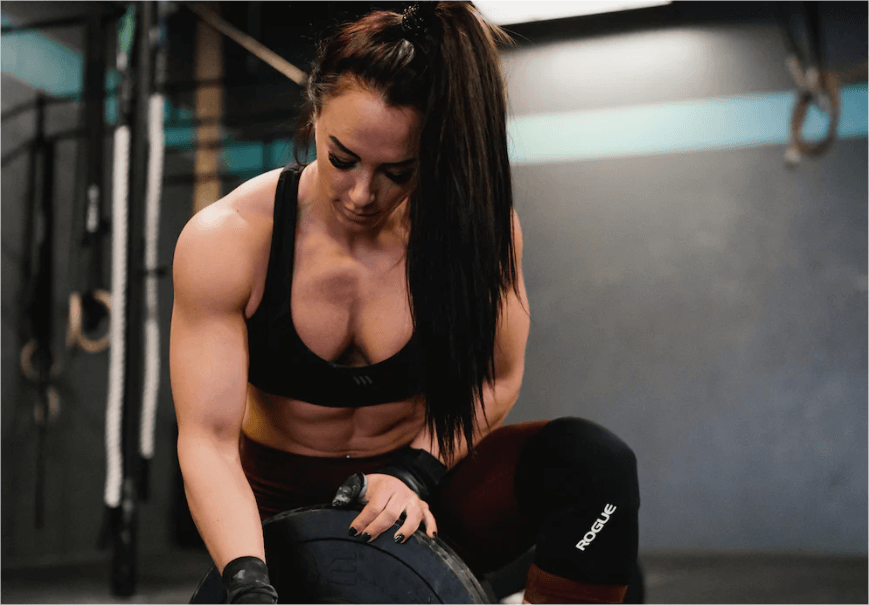
Wellness training usually prioritizes lower-body development while keeping the upper body athletic and proportional. That does not mean competitors ignore back, shoulders, arms, or core. However, lower-body work often receives more training focus.
A Wellness program may emphasize:
- Hip thrusts and glute bridges
- Romanian deadlifts
- Squats and leg presses
- Lunges and split squats
- Hamstring curls
- Cable glute work
- Abductor movements
- Controlled shoulder and back training
- Core work for waist control
However, more training is not always better. The goal is balanced lower-body development, not random leg-day volume. Recovery, exercise selection, and progressive overload still matter.
Nutrition And Conditioning In Wellness
Nutrition supports the Wellness look by helping athletes build muscle in the off-season and reveal shape during contest prep. During a growth phase, competitors often need enough calories and protein to support glute and leg development. However, they still need to control fat gain so prep does not become too extreme.
During a cut, conditioning should show shape without making the athlete look overly hard or striated. Official and competition-focused Wellness guidance generally favors a fit, shapely look with some separation but not the extreme muscular detail seen in higher-muscularity divisions.
Therefore, Wellness prep requires precision. Athletes need enough lower-body fullness while staying lean enough for stage presentation. If they push too hard, they may look stringy. If they stay too soft, they may lack competitive detail.
Why Wellness Is Good For The Sport
Wellness supports fitness by expanding opportunity. It welcomes athletes who might otherwise feel stuck between categories. It also gives fans another style of physique to follow and understand.
Moreover, the division shows that women’s competitive fitness doesn’t have one ideal body. Fit Model, Bikini, Wellness, Figure, Women’s Physique, and Bodybuilding all reward different looks. As a result, more athletes can find a category that fits their structure, goals, and personality.
This variety strengthens the sport. It creates more stories, more champions, and more pathways from local shows to Olympia Weekend.
Final Thoughts
Wellness bodybuilding is becoming one of fitness’s biggest divisions because it matches modern training culture, rewards a clear lower-body-dominant look, and gives many athletes the division they’ve been missing. It is muscular, polished, athletic, and highly recognizable.
Ultimately, Wellness succeeds because it feels both competitive and culturally relevant. It reflects how many women train, what many fans admire, and where physique sports continue to grow. With Olympia visibility, strong Brazilian influence, and rising global participation, Wellness bodybuilding looks set to remain one of fitness’s most important divisions.