Table of Contents
- Quick Answer: Who Is Derek Lunsford?
- Early Life And Athletic Background
- Amateur Career And Pro Card
- Becoming A 212 Olympia Champion
- The Move From 212 To Men’s Open
- Winning The Open Mr. Olympia
- Training Style And Muscle-Building Approach
- Nutrition, Recovery, And Contest Prep
- Why Derek Lunsford’s Rise Matters
- Final Thoughts
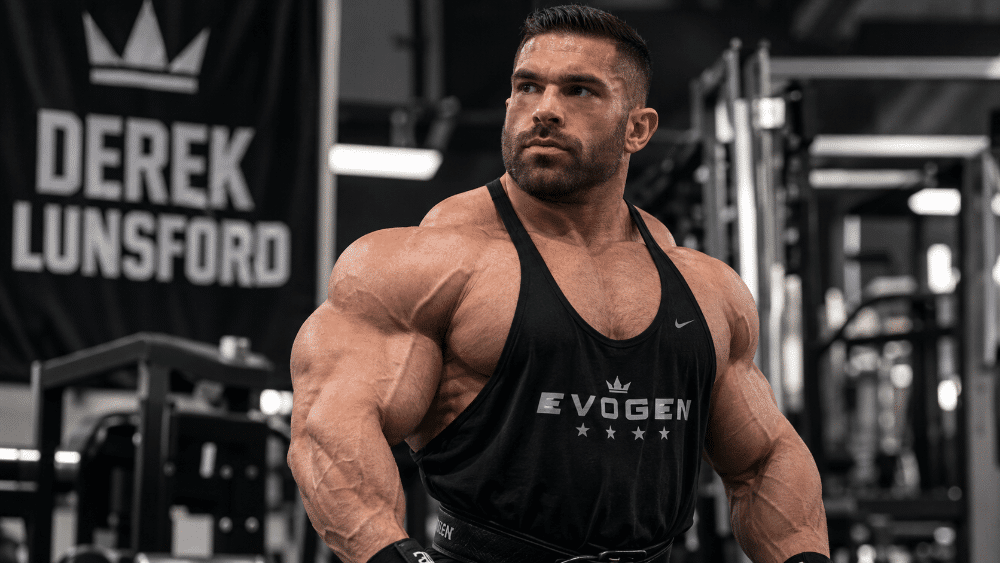
Derek Lunsford has become one of the defining bodybuilders of the modern era because his career connects two major chapters of professional bodybuilding: the 212 division and the Men’s Open. He did not simply move up in size. Instead, he transformed from a top lighter-weight competitor into a complete Open Bodybuilding champion.
That rise matters because few athletes successfully cross divisions at the highest level. The 212 division rewards density, shape, and conditioning within a strict weight limit. The Open division, however, rewards extreme size, fullness, structure, and stage presence without the same weight cap. Therefore, Lunsford’s move showed rare adaptability.
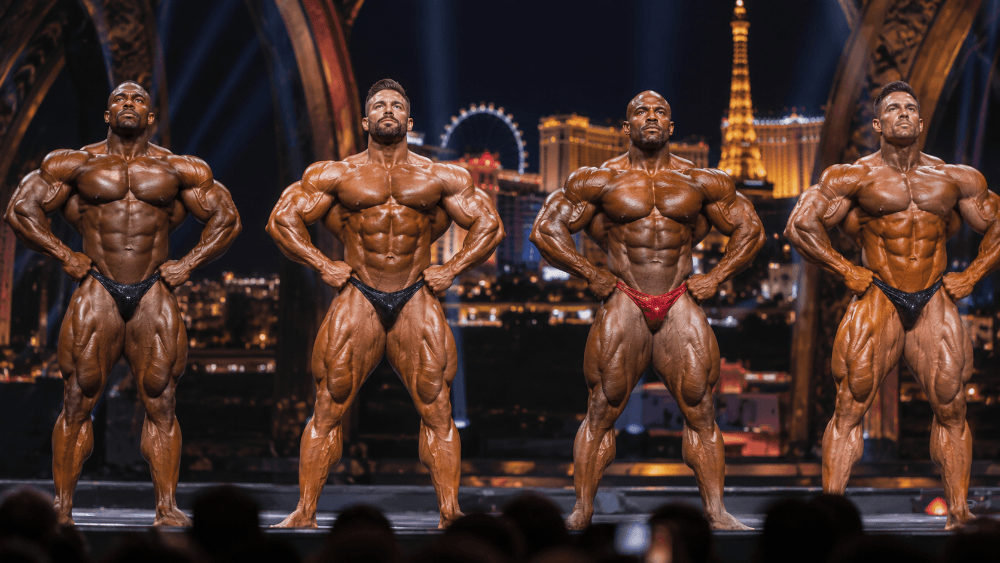
Additionally, his story continues to evolve. After winning the 212 Olympia in 2021, he received a special invitation to compete in the 2022 Mr. Olympia Open and finished second. Then, in 2023, he won the Open title and became the first man to win Olympia titles in both the 212 and Open divisions. He later won the 2025 Mr. Olympia and placed third in 2026 behind Nick Walker and Samson Dauda.
Quick Answer: Who Is Derek Lunsford?
Derek Lunsford is an American IFBB Pro bodybuilder from Indiana who became the 2021 212 Olympia champion and later won the Men’s Open Mr. Olympia title in 2023 and 2025. He is widely known for his back development, balanced structure, conditioning, and ability to transition from the 212 division to the Open division.
His career stands out because he achieved something no previous male bodybuilder had done at the Olympia level: winning titles in two different men’s divisions. As a result, Lunsford’s name now sits in a rare category of bodybuilding history.
Early Life And Athletic Background
Derek Lunsford was born on May 14, 1993, in Petersburg, Indiana. Before bodybuilding became his main pursuit, he played sports such as soccer and wrestled. That early athletic background helped build discipline, coordination, and competitiveness.
However, he made bodybuilding his true focus during college. Like many successful competitors, he started with weight training and gradually shifted toward physique development. He eventually worked with a personal trainer, learned how to structure his training, and began competing in the NPC amateur system.
This early stage mattered because it shaped his identity as a bodybuilder. Lunsford didn’t enter the sport as a mass-first athlete. Instead, he developed a look based on shape, proportion, conditioning, and detail. Those qualities later became major strengths.
Amateur Career And Pro Card
Lunsford’s amateur rise moved quickly. He made his amateur debut in 2015 at the NPC Indianapolis Championships, where he won the Men’s Open Welterweight division. Then, he continued building momentum through national-level NPC events.
By 2017, he had earned his IFBB Pro Card at the NPC USA Championships. That moment changed his career, moving him from a promising amateur to a professional bodybuilder. He wasted little time proving he belonged.
Shortly after turning pro, Lunsford entered the 2017 IFBB Tampa Pro in the 212 division and won. That victory qualified him for the 2017 Mr. Olympia, where he placed fifth in the 212 category. For a new professional, that was a major statement.
Becoming A 212 Olympia Champion
After his Olympia debut, Lunsford became one of the most consistent names in the 212 division. He placed second at the 2018 and 2019 Olympia, then finished fourth in 2020. Those results showed that he belonged near the top, but they also created pressure. He had the tools, yet the title still remained just out of reach.
In 2021, everything came together. Lunsford won the 212 Olympia title, defeating reigning champion Shaun Clarida. That victory confirmed him as the world’s best 212 bodybuilder at the time.
His 212 success came from a combination of density, back development, shape, and conditioning. His presentation also improved as he matured. He did not rely on one body part. Instead, he brought a complete look that matched the division’s demands.
The Move From 212 To Men’s Open
The next chapter began when Lunsford appeared as a guest poser at the 2022 IFBB Pittsburgh Pro. His size and fullness surprised fans because he looked far larger than a typical 212 competitor. Soon after, he received a special invitation to compete in the Men’s Open division at the 2022 Mr. Olympia.
That invitation sparked debate because jumping from 212 to Open isn’t easy. Open competitors often carry much more size, and the division has no weight limit. However, Lunsford immediately proved he could compete with the sport’s biggest names.
At the 2022 Mr. Olympia, he finished second behind Hadi Choopan. As a result, his Open debut became one of the most impressive division transitions in modern bodybuilding. He did not need years to become competitive. He arrived as a title threat.
Winning The Open Mr. Olympia
In 2023, Lunsford reached the top of professional bodybuilding by winning the Men’s Open Mr. Olympia title. That win made him the first man to win Olympia titles in both the 212 and Open divisions. He also won the People’s Champion Award that year, which showed his growing connection with fans.
The victory mattered because it rewarded more than size. Lunsford brought a complete package: back width, detailed conditioning, balanced proportions, stage polish, and enough mass to stand with larger athletes. Moreover, his win showed that shape and detail could still beat pure scale when the total look came together.
After losing the title in 2024, he came back strongly in 2025. Fitness Volt reported that he won the 2025 Arnold Classic, Pittsburgh Pro, and Mr. Olympia in the same season, a run bodybuilding media sometimes described as a “Triple Crown.”
Training Style And Muscle-Building Approach
Lunsford’s training has evolved with his career, but several themes stand out. He uses high-volume bodybuilding work, hard sets, controlled execution, and intense effort. During his defining years, he worked with coach Hany Rambod, whose FST-7 style emphasizes deep pumps, high-rep finishers, and fascia-stretch-style training concepts.
After Rambod stepped back from coaching, Lunsford worked with Brazilian trainer Fabrício Pacholok and nutrition coach Chris Aceto during the 2025–2026 period. Folha reported that Pacholok coached several Olympia athletes in 2026, including Lunsford.
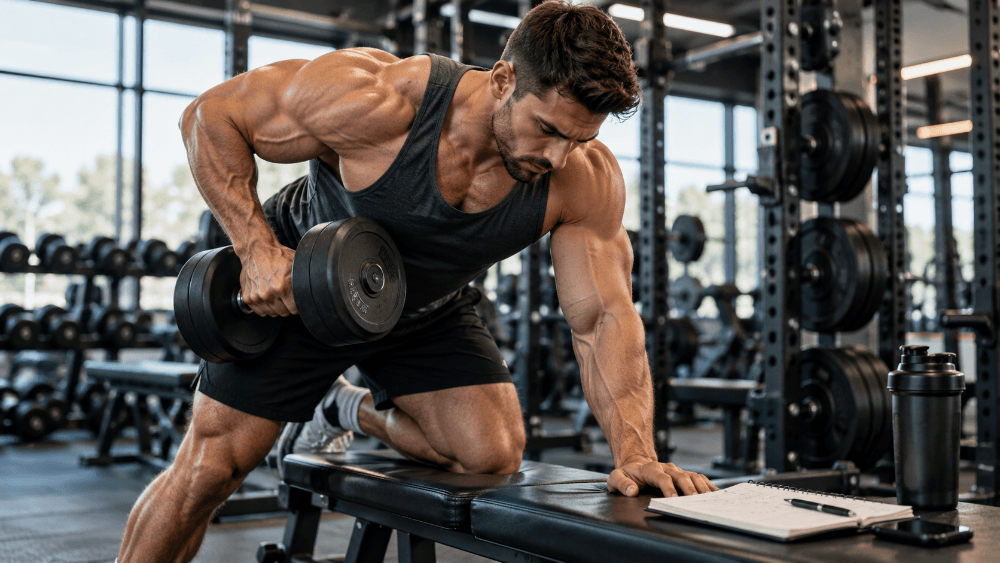
His documented training often includes chest, shoulders, back, arms, and separate leg focuses. His style also uses bodybuilding intensity tools such as drop sets, supersets, controlled negatives, and sets taken close to failure. However, the larger principle matters more than any single technique: Lunsford trains to build a complete physique, not just lift heavy weights.
Nutrition, Recovery, And Contest Prep
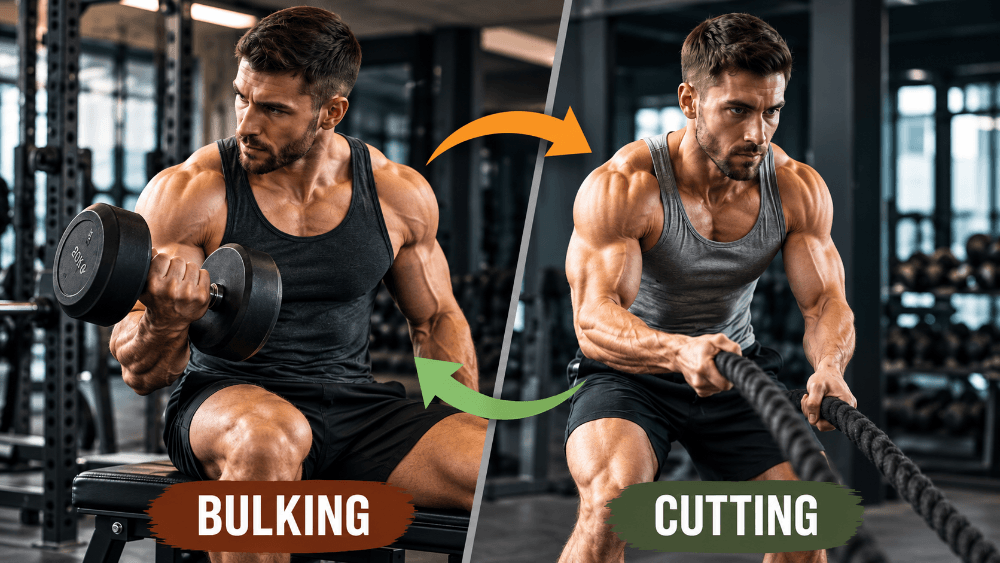
Like every elite bodybuilder, Lunsford’s progress depends heavily on nutrition and recovery. In the off-season, bodybuilders usually eat more to support training, fullness, and growth. During contest prep, calories and cardio shift so the athlete can maximize conditioning without losing too much muscle.
Lunsford’s career also shows how important coaching is. At the top level, small details matter: digestion, fullness, sodium, carbohydrate timing, training fatigue, posing practice, and peak-week execution. Therefore, a champion’s physique reflects much more than workouts.
Recovery also becomes critical. Heavy training, high volume, dieting, and travel can create major fatigue. As a result, elite athletes must carefully manage sleep, bodywork, deloads, stress, and injury prevention.
Why Derek Lunsford’s Rise Matters
Lunsford’s rise matters because it changed what fans thought possible. Before him, the 212-to-Open jump seemed nearly impossible. However, he showed that an athlete with elite structure, detail, and enough added size could cross over and win bodybuilding’s biggest title.
Additionally, his career created a new kind of storyline. He was not simply a mass monster. He represented completeness, balance, and transition. That made his success appealing to fans who value both size and aesthetics.
Even after placing third at the 2026 Olympia, Lunsford remains central to the Open division. Nick Walker won the title in 2026, Samson Dauda finished second, and Lunsford placed third, but that result still kept him among the sport’s top names.
Final Thoughts
Derek Lunsford’s career is one of modern bodybuilding’s most important stories because it combines rapid progress, division crossover success, and Olympia-level achievement. He rose from an Indiana athlete to an NPC standout, then became a 212 champion, an Open Mr. Olympia winner, and one of the sport’s most-watched competitors.
Ultimately, his rise shows that professional bodybuilding rewards more than size alone. Training intensity, structure, conditioning, coaching, presentation, nutrition, and resilience all matter. Lunsford’s journey from 212 to the top of Open Bodybuilding proves that a complete physique can rewrite expectations at the highest level.