Table of Contents
- Quick Answer: What Is The Difference Between Natural And Enhanced Bodybuilding?
- What Natural Bodybuilding Means
- What Enhanced Bodybuilding Means
- Training Differences: Volume And Frequency
- Progressive Overload Still Matters For Both
- Recovery Differences: Why Natural Lifters Need More Precision
- Nutrition Differences: Same Principles, Different Margins
- Cutting Differences: Muscle Retention And Fullness
- Expectations: The Biggest Difference Online
- How Natural Lifters Should Train Smarter
- Final Thoughts
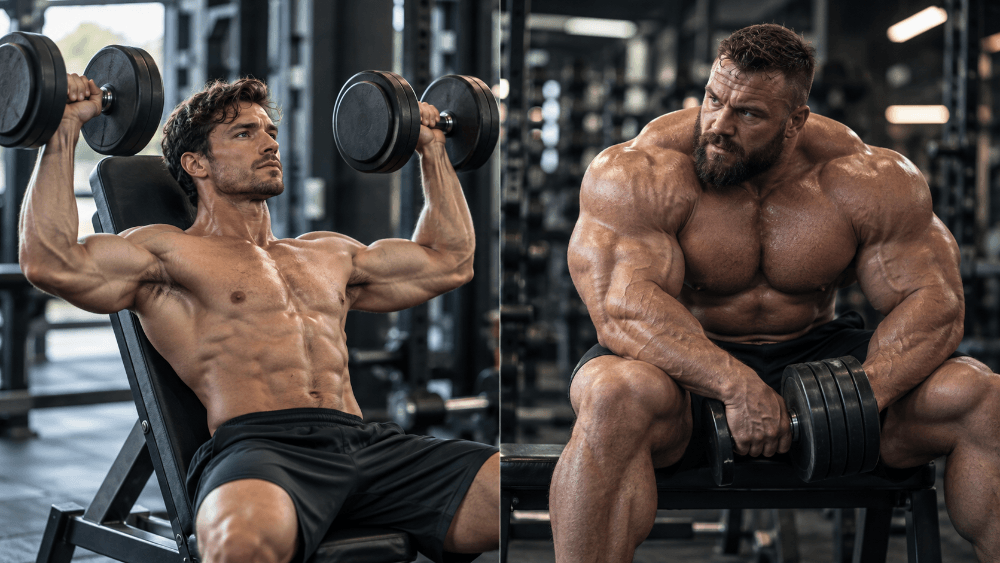
Natural vs. enhanced bodybuilding is one of the most important topics in modern fitness because it shapes how people train, recover, compare progress, and set expectations. A natural bodybuilder builds muscle without anabolic steroids or similar performance-enhancing drugs. An enhanced bodybuilder uses substances that can change hormone levels, recovery capacity, muscle protein balance, and training tolerance.
This difference matters because two athletes may follow similar workouts but recover very differently. They may also gain muscle at different rates, handle different training volumes, and look different at similar body weights. Therefore, comparing natural progress to enhanced progress can create frustration, unrealistic goals, and poor training decisions.
However, this does not mean natural bodybuilding is limited or less valuable. Natural lifters can build impressive physiques with years of consistent training, nutrition, sleep, and progressive overload. The key is understanding the rules. When expectations match biology, progress becomes easier to measure and harder to misjudge.
Quick Answer: What Is The Difference Between Natural And Enhanced Bodybuilding?
Natural bodybuilding relies on training, nutrition, recovery, genetics, and naturally produced hormones. Enhanced bodybuilding adds performance-enhancing drugs that can increase muscle-building potential, improve recovery, and help athletes maintain more muscle during intense cutting phases.
As a result, enhanced athletes may tolerate higher volume, recover faster from hard sessions, and maintain more fullness while dieting. Natural athletes, however, usually need more careful fatigue management, slower progression, longer timelines, and more realistic expectations.
In simple terms, both groups still need hard training and nutrition. However, enhanced bodybuilding can change how much stress the body can handle and how quickly it can adapt.
What Natural Bodybuilding Means
Natural bodybuilding means building muscle without banned anabolic agents or similar enhancement drugs. Natural athletes rely on resistance training, adequate protein, calorie control, sleep, recovery, and consistency.
Because natural hormone levels stay within the body’s normal range, progress often happens more slowly. Beginners may gain muscle quickly during the first year or two. However, as training age increases, progress slows. Later gains may come from small improvements in strength, technique, volume management, and body composition rather than dramatic monthly changes.
Therefore, natural bodybuilding rewards patience. The best natural lifters usually train for years, not months. They track lifts, manage recovery, maintain realistic bulking and cutting phases, and avoid comparing themselves to enhanced athletes online.
What Enhanced Bodybuilding Means
Enhanced bodybuilding usually refers to athletes who use anabolic-androgenic steroids or other performance-enhancing drugs. These substances can increase muscle-building signals, support faster recovery, and allow more aggressive training or dieting strategies.
However, enhanced bodybuilding also carries health risks. Anabolic steroid misuse can affect fertility, hormones, mood, blood pressure, cholesterol, liver health, and cardiovascular risk. Injection practices can also add infection risks when people use nonsterile techniques or underground products.
Therefore, enhanced bodybuilding should not be romanticized as simply “faster progress.” It changes the risk profile. It may increase performance and physique potential, but it can also create medical, legal, and long-term health consequences.
Training Differences: Volume And Frequency
Training volume is one of the biggest practical differences between natural and enhanced bodybuilding. Volume usually means the number of challenging sets performed per muscle group per week.
Natural athletes can still train hard and use high volume, but they must match volume to recovery. Too many hard sets can reduce performance, increase soreness, disturb sleep, and stall progress. Therefore, many natural lifters do best with moderate volume, consistent progression, and planned deloads.
Enhanced athletes may tolerate more weekly work because performance-enhancing drugs can support recovery and muscle protein balance. As a result, some enhanced bodybuilders use higher-volume routines, more frequent body-part training, and more intensity techniques.
However, more volume is not automatically better for either group. A program works only when the athlete can recover and improve over time.
Progressive Overload Still Matters For Both
Progressive overload matters in both natural and enhanced bodybuilding. Muscles need a reason to adapt. Therefore, lifters must gradually improve performance by adding weight, reps, better technique, a more controlled range of motion, or higher-quality volume.
The difference is the rate of progression. Enhanced athletes may progress faster or maintain performance better during hard prep phases. Natural athletes may need smaller jumps and longer blocks to build strength safely.
A natural lifter might spend months adding reps to a lift before increasing weight. Meanwhile, an enhanced athlete may handle more aggressive overload. However, both still need structure. Even with enhancement, sloppy form, excessive fatigue, and poor programming can lead to plateaus or injury.
Recovery Differences: Why Natural Lifters Need More Precision
Recovery is where natural and enhanced bodybuilding often differs most. Natural lifters have less room for error. Poor sleep, low calories, high stress, and excessive training volume can quickly reduce performance.
Because of that, natural athletes should take recovery seriously:
- Sleep seven to nine hours when possible
- Use rest days strategically
- Avoid training every set to failure
- Deload when performance drops
- Keep protein consistent
- Avoid aggressive calorie deficits for too long
- Track soreness, mood, and motivation
Enhanced athletes still need recovery, but they may have a larger recovery buffer. However, that does not make them invincible. Joint stress, cardiovascular strain, sleep problems, and systemic fatigue can still build up.
Nutrition Differences: Same Principles, Different Margins
Nutrition principles look similar for both groups. Both need enough protein, carbohydrates, fats, micronutrients, hydration, and total calories. However, the margins differ.
Natural bodybuilders usually need more conservative bulking and cutting strategies. During a bulk, a large calorie surplus often adds unnecessary fat because natural muscle-gain rates are limited. During a cut, an aggressive deficit increases the risk of losing strength and muscle.
Enhanced bodybuilders may maintain more muscle in a deficit and grow in conditions where natural lifters would struggle. However, they still need smart nutrition. Drugs do not replace protein, calories, digestion, hydration, or consistency.
For most resistance-trained athletes, a daily protein intake around 1.4 to 2.0 grams per kilogram of body weight supports training adaptations. During hard cutting phases, lean athletes may need higher protein to help preserve lean mass.
Cutting Differences: Muscle Retention And Fullness
Cutting reveals one of the clearest differences between natural and enhanced bodybuilding. Natural athletes often lose some fullness as calories drop, body fat decreases, and training energy declines. Therefore, they need slower cuts, careful protein intake, and realistic conditioning goals.
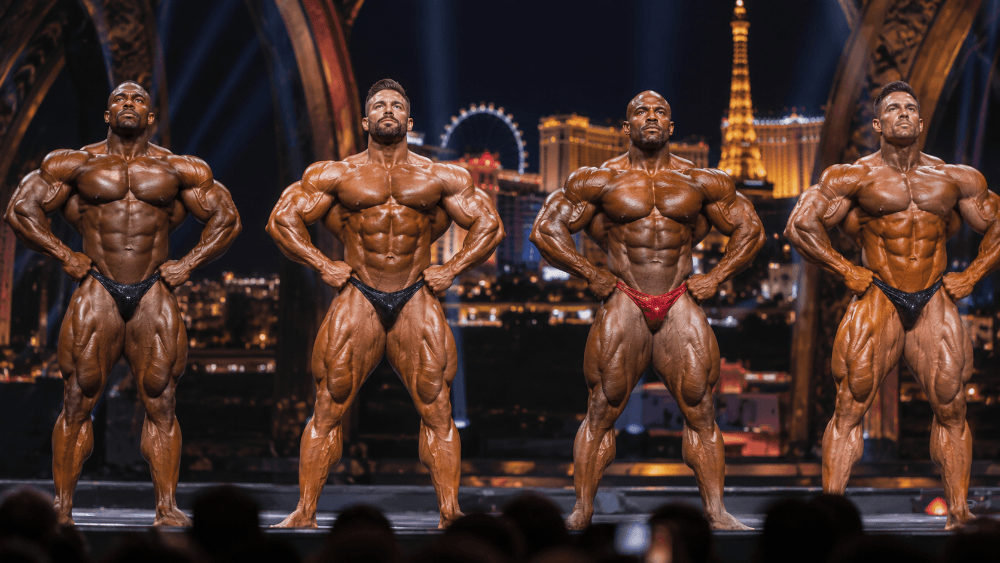
Enhanced athletes may maintain more muscle fullness, hardness, and training performance during deep cuts. This is one reason enhanced physiques can look dramatically different on stage or in photos, especially at very low body-fat levels.
As a result, natural lifters should avoid copying extreme cutting timelines from enhanced athletes. A slower approach usually protects more muscle, keeps training productive, and reduces burnout.
Expectations: The Biggest Difference Online
The biggest danger for many natural lifters is not training incorrectly. It is expecting enhanced results from natural methods.
Social media makes this problem worse. Many influencers do not clearly disclose enhancement. Additionally, lighting, posing, pumps, editing, dehydration, and camera angles can make physiques look even more dramatic. As a result, natural lifters may think they are failing when they are actually progressing normally.
Realistic expectations matter. A natural physique usually takes years to build. Progress may come in small improvements: one more rep, better shoulder shape, a slightly leaner waist, stronger legs, improved posing, or better conditioning.
How Natural Lifters Should Train Smarter
Natural lifters should focus on repeatable progress rather than copying extreme routines. A strong natural program usually includes:
- Each muscle trained one to three times per week
- Mostly controlled sets near, but not always to, failure
- Progressive overload tracked over time
- Enough volume to stimulate growth, not destroy recovery
- Compound lifts plus targeted isolation work
- Protein and calories matched to the goal
- Rest days and deloads before fatigue becomes chronic
This approach may look less dramatic than influencer workouts, but it works better over the long term.
Final Thoughts
Natural and enhanced bodybuilding both require training, discipline, nutrition, and consistency. However, they do not operate under the same biological conditions. Enhanced athletes may recover faster, tolerate more volume, maintain more muscle while cutting, and progress at a different rate. Natural athletes need more patience, smarter fatigue management, and realistic timelines.
Ultimately, the goal is not to judge one path against another. The goal is to understand the difference so expectations stay honest. Natural lifters can build excellent physiques, but they should compare themselves to realistic standards, not undisclosed enhanced examples. When training, nutrition, recovery, and expectations align, bodybuilding becomes more sustainable, more productive, and far more rewarding.