Table of Contents
- Quick Answer: What Is Samson Dauda’s Training Philosophy?
- From Rugby Build To Bodybuilding Star
- Why High Volume Fits His Physique
- The Role Of Exercise Selection
- Intensity Without Chaos
- Why Posing Is Part Of The Program
- Nutrition And Prep Discipline
- The Marlena Factor
- What Lifters Can Learn From Samson Dauda
- Why Dauda Remains One Of Bodybuilding’s Biggest Names
- Final Thoughts
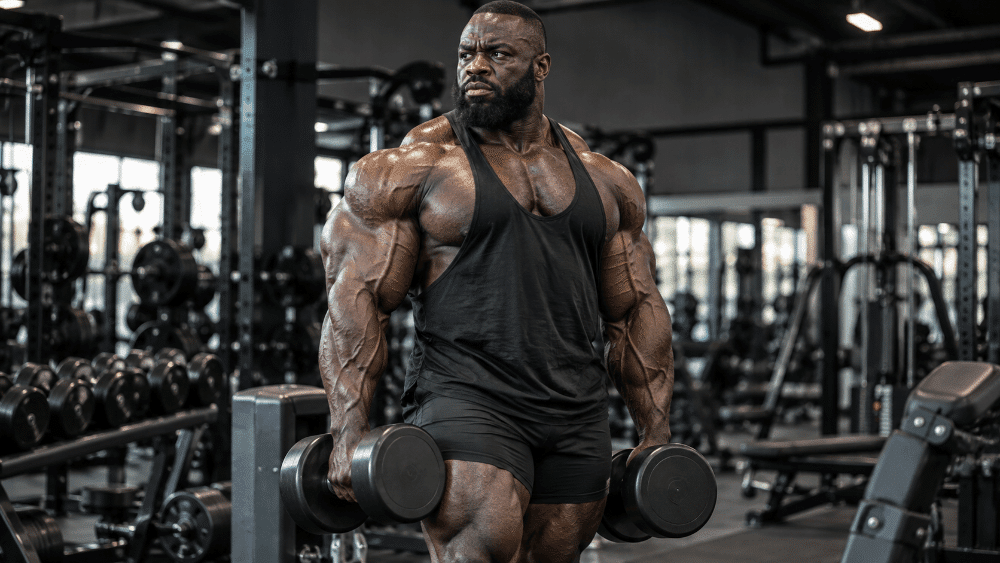
Samson Dauda has become one of bodybuilding’s biggest names by combining extreme size with shape, stage presence, and a calm, competitive personality. Known as “The Nigerian Lion,” Dauda stands out in the Men’s Open division because he brings the mass expected at the highest level while still maintaining an aesthetic flow that fans recognize immediately.
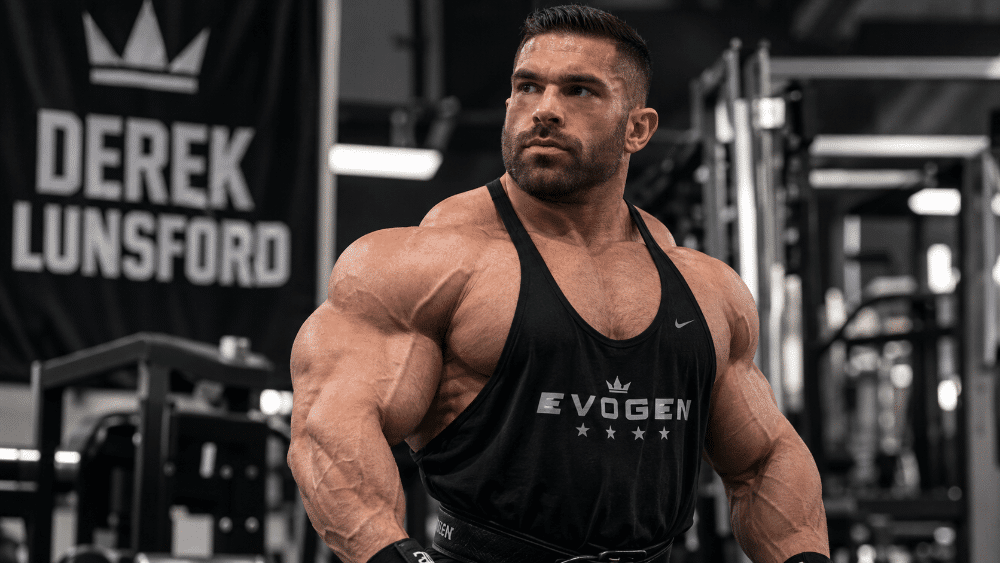
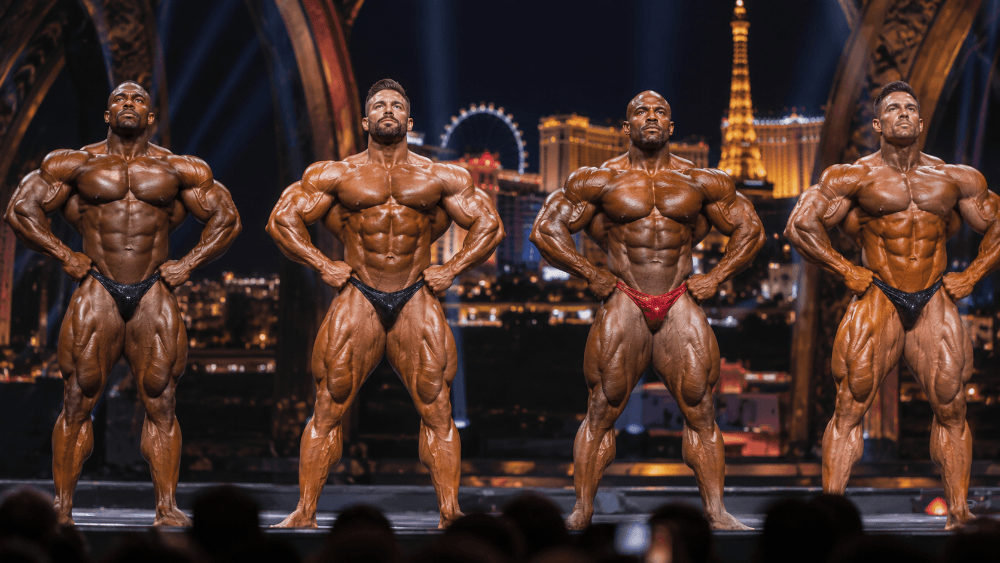
His career peaked when he won the 2024 Mr. Olympia Men’s Open title. Then, in 2026, he stayed at the center of the Open conversation, finishing second behind Nick Walker and ahead of Derek Lunsford in Las Vegas.
However, Dauda’s story isn’t just about contest placings. His training philosophy explains why he became a world-class bodybuilder. He relies on high-volume hypertrophy work, controlled intensity, smart exercise selection, posing discipline, and a strong support system. His approach offers a useful case study for anyone interested in how elite bodybuilding works.
Quick Answer: What Is Samson Dauda’s Training Philosophy?
Samson Dauda’s training philosophy centers on high-volume hypertrophy, consistent execution, progressive effort, and physique balance. His workouts often start with compound movements, then move to isolation exercises, with sets typically in the 8–15 rep range. Recent training summaries describe his approach as high-volume bodybuilding work with compounds, isolation lifts, supersets, and short rest periods.
However, his method isn’t just about doing more sets. Dauda trains to build a complete stage-ready physique. That means size, symmetry, conditioning, posing, and recovery all matter. Additionally, his wife and coach, Marlena Gustowska, has played a major role in managing his prep, discipline, training, and nutrition structure after his split with coach Miloš Šarčev in 2024.
From Rugby Build To Bodybuilding Star
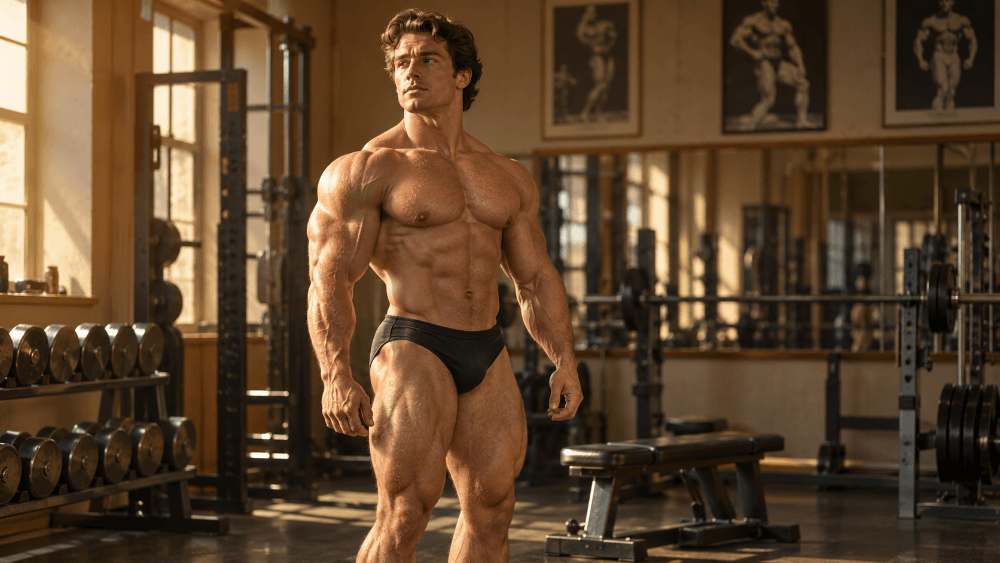
Dauda’s rise did not begin with instant bodybuilding fame. Born in Nigeria and later based in the United Kingdom, he first built an athletic foundation before committing fully to bodybuilding. Several profiles note that rugby and gym training shaped his early physique, and encouragement from those around him pushed him toward competitive bodybuilding.
That background matters because Dauda did not develop like a narrow specialist. He built a large athletic frame, then refined it for stage competition. Over time, he turned raw size into a more complete bodybuilding package.
In the Men’s Open division, that combination matters. Competitors need huge muscle, but they also need detail, balance, and presentation. Dauda’s success shows that elite bodybuilding rewards more than body weight alone.
Why High Volume Fits His Physique
High-volume training suits Dauda because his goal is not simply to lift the most weight possible. Instead, he aims to maximize muscle development across every major body part. Volume gives him more chances to create tension, accumulate quality reps, and bring up specific areas.
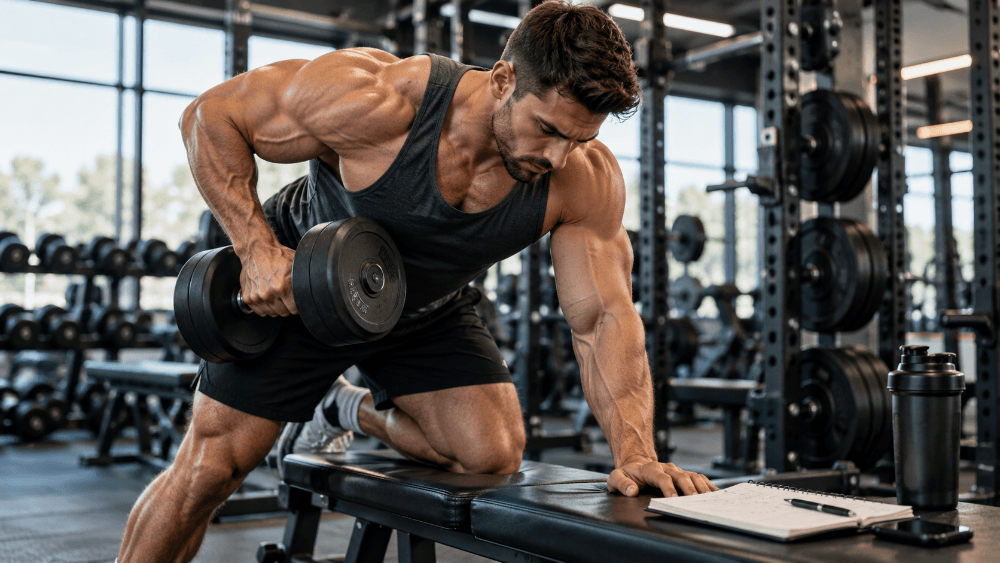
A Dauda-style session usually starts with bigger movements that allow heavy loading. Then, isolation work helps target muscles more precisely. For example, a leg session may include presses or squatting patterns before hamstring curls, leg extensions, or other machine-based movements. This structure helps build both mass and detail.
Additionally, controlled volume can help an elite bodybuilder manage joint stress. Machines, cables, and guided movements let you train hard without needing maximal free-weight loading every session. So high volume doesn’t always mean reckless training. At Dauda’s level, it can mean targeted, repeatable work.
The Role Of Exercise Selection
Exercise selection plays a major role in Dauda’s philosophy. Open bodybuilders need enormous muscle, but they also need to avoid injuries that can interrupt prep. Therefore, smart movement choices matter as much as intensity.
Machine presses, leg presses, chest-supported rows, pulldowns, lateral raises, hamstring curls, and cable exercises can all support hypertrophy while reducing unnecessary setup fatigue. Free weights still matter, but elite bodybuilding often uses a practical mix of tools.
Dauda’s training content also shows that exercises should serve the physique, not the ego. If a movement loads the target muscle well, allows strong contractions, and fits the athlete’s structure, it has value. However, if a lift creates joint pain or poor stimulus, a more stable variation may work better.
Intensity Without Chaos
Dauda trains hard, but his best work does not look random. The most productive intensity comes from control. Hard sets, close-to-failure work, supersets, pump work, and short rest periods can all create a strong hypertrophy stimulus. However, they work best when the athlete maintains consistent form.
This is where many recreational lifters misunderstand elite bodybuilding. They see heavy weights and assume champions only chase load. In reality, top bodybuilders chase stimulus. The target muscle must work. The set must create tension. The exercise must fit the plan.
Therefore, Dauda’s philosophy can be summarized this way: train intensely, but keep the work directed. Effort matters, but effort without execution becomes wasted fatigue.
Why Posing Is Part Of The Program
Bodybuilding isn’t just a gym sport. It is also a presentation sport. Dauda’s 2026 prep coverage highlighted frequent posing work and a focus on stage execution.
That detail matters because posing affects how judges see the physique. A bodybuilder can have world-class muscle, but if he cannot display it properly, he loses impact. Posing also builds endurance. Holding poses under bright lights while dehydrated, depleted, or fatigued requires practice.
For Dauda, posing supports his strengths. His size and shape look best when he controls transitions, expands his frame, manages his waist, and presents confidently. Therefore, posing becomes more than a final-week task. It becomes part of the complete training system.
Nutrition And Prep Discipline
Dauda’s training philosophy also depends on nutrition. Muscle growth requires enough food, protein, carbohydrates, and recovery. Contest prep, however, requires reducing body fat while keeping muscle fullness and performance.
That balance becomes extremely difficult at the Olympia level. Calories, meal timing, digestion, sodium, water, cardio, and training fatigue all matter. Moreover, athletes must make changes without overreacting to daily fluctuations.
This is why coaching structure matters. Reports around Dauda’s preparation have emphasized Marlena Gustowska’s role in managing discipline across training, recovery, and nutrition.
For fans, this is an important lesson. The visible physique represents invisible structure: meals, check-ins, recovery, posing, sleep, travel planning, and emotional discipline.
The Marlena Factor
One of the most talked-about parts of Dauda’s career is his partnership with Marlena Gustowska. Bodybuilding media has repeatedly covered her role as his wife and coach, especially after his 2024 split from Miloš Šarčev.
This partnership stands out because it blends personal trust with professional preparation. At the highest level, an athlete needs someone who can honestly evaluate the physique, control variables, and keep prep organized. An athlete also needs emotional stability during difficult phases.
Dauda has spoken publicly about how important Marlena is to his bodybuilding journey. While fans may debate coaching decisions, the results show their partnership has become central to his story.
What Lifters Can Learn From Samson Dauda
Most lifters should not copy an Olympia athlete’s full routine. Dauda’s training volume, recovery resources, genetics, and competitive demands differ from those of regular gym-goers. However, his philosophy still offers useful lessons.
First, train with a clear goal. Dauda does not train randomly; he trains to improve a stage physique. Second, prioritize execution. A controlled rep that loads the target muscle beats a sloppy heavier rep. Third, balance size with shape. More muscle helps only when it improves the total physique.
Additionally, recovery matters. If volume rises, food, sleep, and fatigue management must rise with it. Otherwise, progress eventually slows.
Why Dauda Remains One Of Bodybuilding’s Biggest Names
Dauda remains a major figure because he combines multiple qualities that fans and judges value. He has size, but he also has shape. He has stage presence, but he also shows a calm, disciplined personality. He has already won the sport’s biggest title, and his 2026 runner-up finish kept him in the center of the Men’s Open conversation.
Moreover, his story still has momentum. Every major Olympia result reshapes the next season’s storyline. Since Dauda has already proven he can win the title, any future contest with him automatically feels important.
Final Thoughts
Samson Dauda’s training philosophy reflects what modern Open Bodybuilding demands: high-volume work, precise execution, consistent recovery, strong coaching, nutrition discipline, and stage presentation. He built his reputation through more than size alone. Instead, he turned a massive frame into a polished Olympia-level physique.
Ultimately, Dauda’s approach shows that elite bodybuilding is a system. Training creates the stimulus, nutrition fuels the process, recovery protects progress, and posing displays the final result. That complete philosophy is why Samson Dauda remains one of bodybuilding’s biggest names.