Table of Contents
- Quick Answer: What Is Classic Physique Training?
- What Makes The Golden-Era Look Different?
- Why Classic Physique Is More Popular Than Ever
- The Main Training Goal: Proportion
- Key Muscle Groups For The Classic Look
- How To Train For Classic Physique
- Progressive Overload With Aesthetic Control
- Nutrition For The Classic Physique Look
- Waist Control And The V-Taper
- Posing And Presentation Matter
- Recovery And Longevity
- Common Classic Physique Mistakes
- Final Thoughts
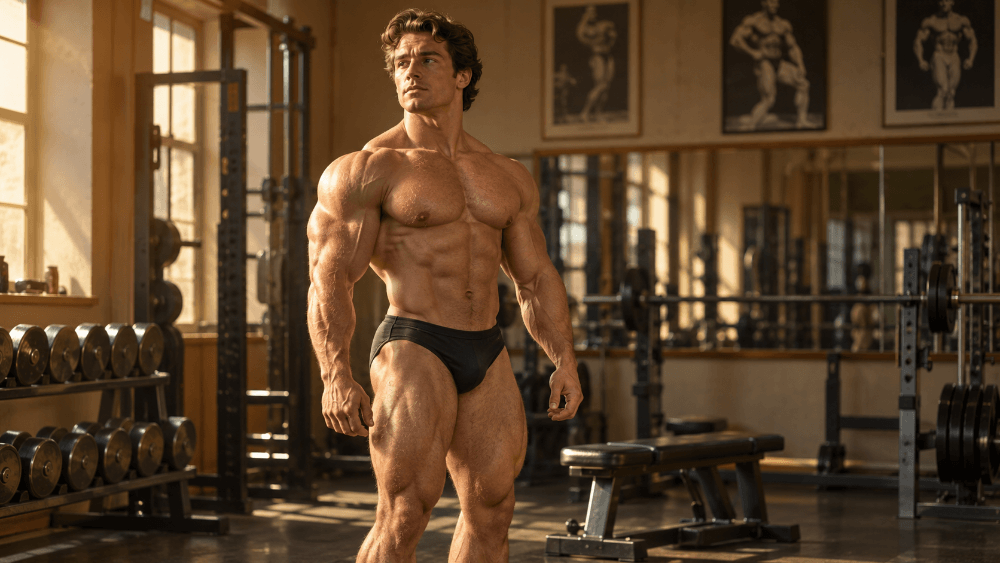
Classic physique training has grown in popularity because many lifters want a body that looks muscular, athletic, balanced, and timeless. Rather than chasing maximum size at all costs, the classic physique ideal emphasizes proportion, a smaller waist, broad shoulders, developed legs, and clean conditioning.
This style draws inspiration from the golden era of bodybuilding, especially the physiques associated with the 1960s, 1970s, and early 1980s. Those athletes looked powerful, but they also emphasized shape, posing, symmetry, and presentation. As a result, their look still attracts modern gym-goers who want muscle without losing athletic aesthetics.
Additionally, social media has made this style even more visible. Lifters now compare different eras, watch posing clips, study vacuum poses, and follow athletes in the Classic Physique division. As a result, the golden-era look has moved from nostalgia to a modern training goal.
Quick Answer: What Is Classic Physique Training?
Classic physique training is a bodybuilding approach that prioritizes muscle growth, symmetry, proportion, conditioning, and presentation. The goal isn’t simply to get as big as possible. Instead, it aims to build a balanced physique with wide shoulders, a strong chest and back, a tapered waist, developed arms, and proportional legs.
A Classic Program Usually Includes:
- Progressive resistance training
- Extra focus on shoulders, upper chest, back width, arms, and calves
- Waist control through nutrition and smart exercise selection
- Posing practice and posture work
- Conditioning phases for definition
- Recovery habits that support long-term progress
In short, classic physique training builds muscle with a clear visual goal.
What Makes The Golden-Era Look Different?
The golden-era look stands out because it combines size with flow. The physique should look muscular from every angle, but no single body part should overpower the rest. Broad shoulders should create a V-taper. The chest should look full. The back should add width. Arms should match the torso. Legs should support the upper body without destroying balance.
This differs from some modern bodybuilding goals, where maximum mass may take priority. Classic physique rewards the illusion of shape. A smaller waist can make the shoulders and lats look wider. Well-developed calves can make the legs look more complete. Good posture and posing can make the whole body appear more polished.
The IFBB describes Classic Physique as a division that aims to bring back the classic look of earlier bodybuilding eras, with an emphasis on small waists and the vacuum pose. That focus explains why the division resonates with people who prefer aesthetics over sheer size.
Why Classic Physique Is More Popular Than Ever
Classic physique is popular because it feels more relatable than extreme mass bodybuilding. Many lifters admire huge professional bodybuilders, but they may not want that look. Classic physique offers a different target: muscular, lean, athletic, and proportionate.
Additionally, the rise of the Classic Physique division has created new role models. The category uses height-to-weight limits, which help keep size within a more aesthetic framework. Because athletes cannot simply add unlimited body weight, they must improve shape, conditioning, and presentation.
Social media also plays a major role. Short videos highlight posing routines, vacuum poses, transformation clips, and golden-era comparisons. As a result, younger lifters now see classic physiques as aspirational, not outdated.
The Main Training Goal: Proportion
Classic physique training starts with proportion. A lifter doesn’t just ask, “How can I get bigger?” Instead, they ask, “What needs to improve to make the whole body look better?”
For example, someone with strong arms but narrow shoulders may need more lateral-delt work. Someone with thick quads but weak calves may need more lower-leg training. Someone with a strong chest but narrow back may need more lat-focused pulling.
This is where bodybuilding differs from general strength training. Strength matters, but visual balance guides exercise selection. Therefore, a classic physique program often includes both compound lifts and targeted isolation work.
Key Muscle Groups For The Classic Look
Several areas shape the classic physique more than others.
| Muscle Group | Why It Matters |
|---|---|
| Side Delts | Create shoulder width and a stronger V-taper |
| Upper Chest | Adds fullness and improves torso shape |
| Lats | Build back width and visual taper |
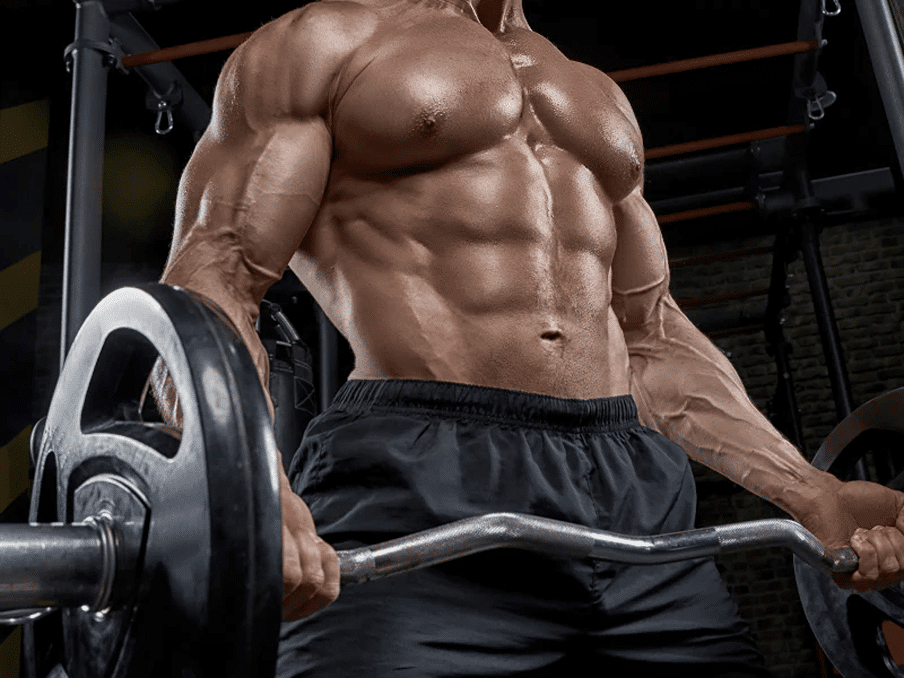
| Arms | Support balance and classic proportions |
| Calves | Complete the lower body and improve symmetry |
| Abs And Waist | Help maintain a clean, athletic midsection |
This doesn’t mean you should ignore other muscles. However, classic physique training often gives extra attention to areas that improve silhouette and proportion.
How To Train For Classic Physique
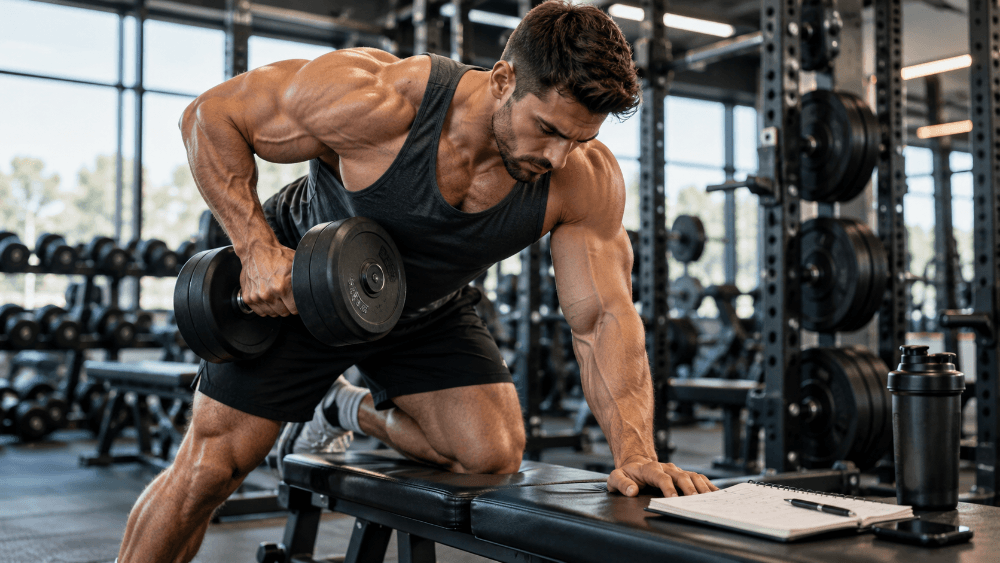
A good classic physique program uses progressive overload, but it does not chase numbers at the expense of shape. Heavy compound lifts build the foundation, while isolation exercises refine the physique.
A weekly plan may include:
- Pressing movements for chest and shoulders
- Rows and pulldowns for back thickness and width
- Lateral raises for shoulder caps
- Incline presses for upper chest
- Squats, leg presses, and lunges for legs
- Leg curls and Romanian deadlifts for hamstrings
- Calf raises several times per week
- Direct arm work for balanced size
Additionally, exercise execution matters. Controlled reps, full range of motion, stable technique, and strong mind-muscle connection can make moderate weights highly effective.
Progressive Overload With Aesthetic Control
Progressive overload still matters in classic physique training. Muscles need a reason to grow. However, aesthetic control matters just as much.
If a lifter adds weight but shortens reps, loses posture, or turns every movement into ego lifting, the target muscles may not grow better. Worse, the physique may develop imbalances.
Therefore, classic training often uses double progression. For example, a lifter may choose 8-12 reps. Once they can complete 12 controlled reps on all sets, they increase weight slightly and return to the lower end of the range. This approach builds muscle without sacrificing form.
Nutrition For The Classic Physique Look
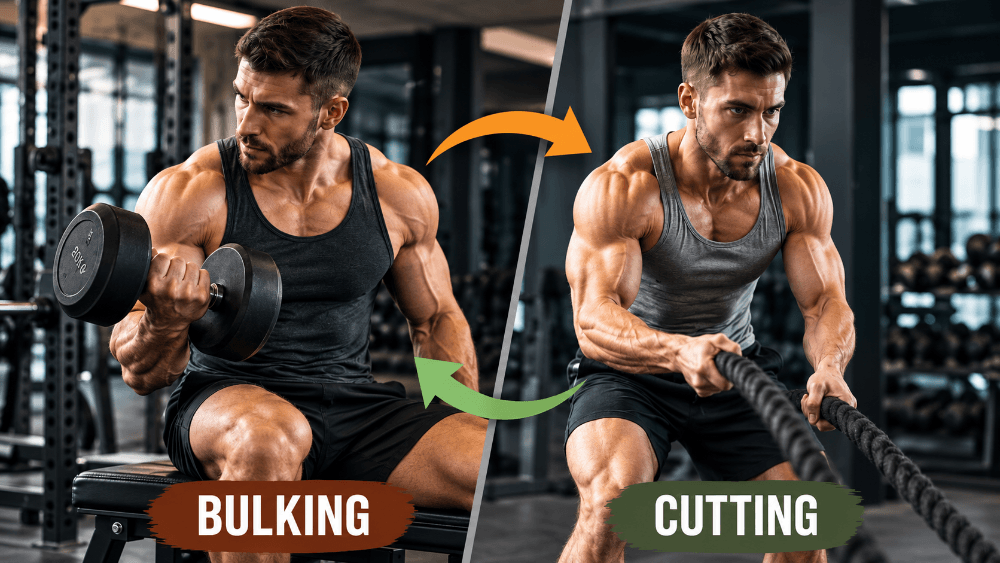
Nutrition supports the look in two different phases. During a growth phase, lifters need enough calories and protein to build muscle. However, they should avoid uncontrolled bulking because excessive fat gain can blur proportions and make cutting harder later.
The International Society of Sports Nutrition states that many exercising individuals benefit from about 1.4 to 2.0 grams of protein per kilogram of body weight per day to support training adaptations. Additionally, higher protein intake may help preserve lean mass during cutting phases.
During a cutting phase, calories drop gradually. Protein stays high, training remains consistent, and cardio may increase. The goal is to reveal shape without losing too much muscle fullness.
Waist Control And The V-Taper
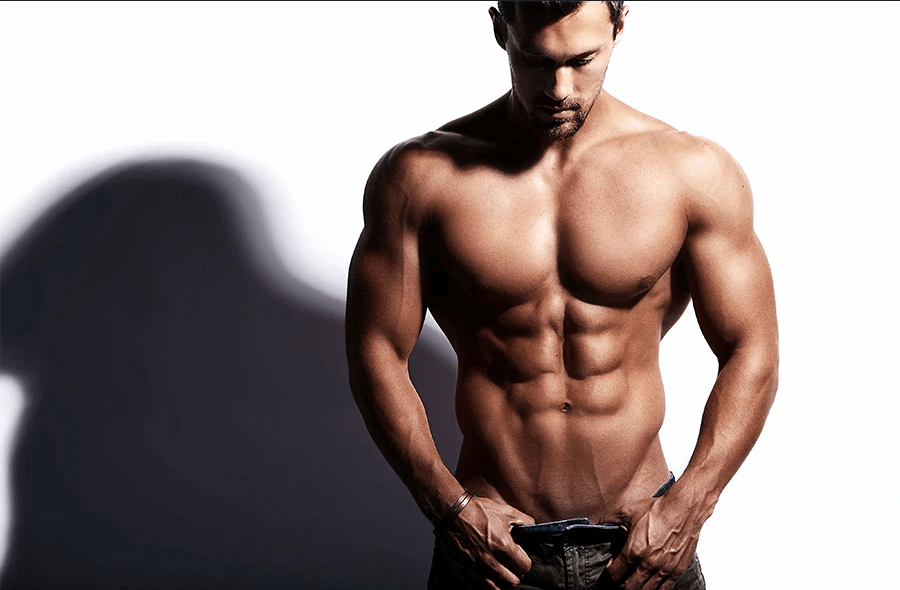
The V-taper defines the classic look. Broad shoulders and lats create the top of the “V,” while a tight waist creates contrast. As a result, classic physique athletes often pay close attention to waist control.
However, waist control does not mean extreme restriction or gimmicks. It usually comes from managing body fat, training the core intelligently, improving posture, and avoiding unnecessary weight gain. Some athletes also practice vacuum poses to improve control and presentation.
Additionally, exercise selection may matter. Lifters who want a smaller-looking waist may avoid excessive heavy side-bending volume if it thickens their obliques. Instead, they often focus on bracing strength, planks, controlled leg raises, and posing practice.
Posing And Presentation Matter
Classic physique isn’t built only in the gym. It also appears through posing. A well-built body can look less impressive without posture, control, and presentation. Conversely, good posing can highlight strengths and hide weaknesses.
The vacuum pose, front double biceps, side chest, and classic transitions all require practice. Therefore, many classic physique athletes train posing like a skill. They practice breathing, waist control, shoulder positioning, and foot placement.
For everyday lifters, posing practice still helps. It improves body awareness, reveals weak points, and helps track progress beyond the scale.
Recovery And Longevity
The golden-era look takes time. Therefore, recovery and joint health matter. A classic physique program shouldn’t rely on constant max-effort lifting. Instead, it should use repeatable training, planned progression, deloads, sleep, and good nutrition.
If shoulders ache, elbows hurt, or lower back fatigue never fades, the program needs adjustment. Long-term consistency builds the classic look better than short bursts of extreme training.
Common Classic Physique Mistakes
Many lifters chase the classic look but make avoidable mistakes.
Common mistakes include:
- Bulking too aggressively
- Ignoring calves, rear delts, or hamstrings
- Training only heavy compounds
- Neglecting posing and posture
- Chasing arm size while ignoring shoulder width
- Cutting too quickly and losing fullness
- Comparing natural progress to enhanced physiques
- Skipping recovery and deloads
A better approach focuses on symmetry, patience, and repeatable progress.
Final Thoughts
Classic physique training is popular because it offers a powerful but balanced ideal. It combines muscle, proportion, conditioning, and presentation into an athletic, timeless look.
Ultimately, the golden-era look is not just about nostalgia. It gives modern lifters a clear alternative to chasing endless size. Build broad shoulders, a strong back, a full chest, proportional arms and legs, and a controlled waist. Then, support the process with smart nutrition, recovery, and posing practice. That is why classic physique remains more popular than ever.