Table of Contents
- Quick Answer: What Is The Fit Model Division?
- Why Did Mr. Olympia Add Fit Model?
- How Fit Model Differs From Bikini
- Why The No-Crossover Rule Matters
- What Fit Model Means For New Competitors
- What Fit Model Means For Coaches
- What Fit Model Means For The Fitness Industry
- The First Fit Model Olympia Moment
- Will Fit Model Grow?
- Final Thoughts
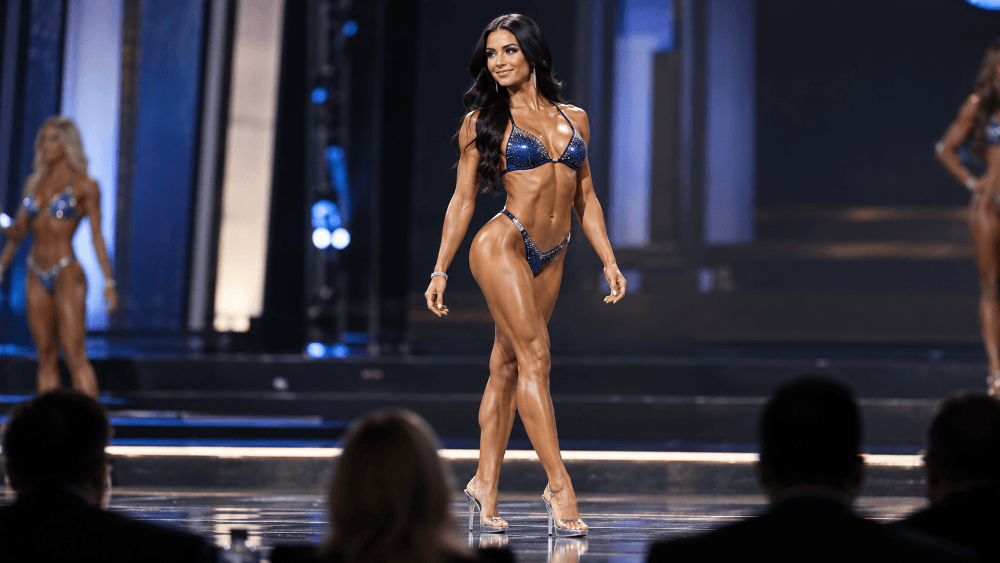
Mr. Olympia added Fit Model to its world championship lineup, giving competitive fitness a new stage at the top of the sport. The division officially appeared in the 2026 Olympia Weekend in Las Vegas, expanding the event’s professional women’s categories and giving a different type of physique athlete a path to the Olympia stage.
This addition matters because physique sports keep evolving. Bodybuilding no longer has a single ideal look. Instead, the Olympia now features divisions that reward different combinations of muscle, shape, symmetry, conditioning, athleticism, presentation, and marketable stage presence. So Fit Model doesn’t just add another trophy. It adds another definition of what competitive fitness can look like.
Fit Model also enters at an interesting time. Social media has made fitness aesthetics more mainstream, while NPC and IFBB Pro League contests have continued expanding pathways for athletes with different structures and goals. As a result, the new division may attract competitors who want a polished, fit, stage-ready look without the muscular development required for Bikini, Figure, Physique, or Bodybuilding.
Quick Answer: What Is The Fit Model Division?
Fit Model is a women’s physique division that rewards an athletic, toned, polished, and model-like fitness look with less muscular development than Bikini. NPC and IFBB Pro League materials describe Fit Model as a division that does not allow crossovers from Bikini or any other women’s division at the same contest, which helps keep its competitive identity separate.
In practical terms, Fit Model gives athletes a category focused on balance, shape, presentation, and a healthy fitness aesthetic rather than extreme muscle size or deep conditioning. The division sits at the entry level of women’s physique competition, but its inclusion at Olympia gives it major visibility.
Why Did Mr. Olympia Add Fit Model?
Mr. Olympia added Fit Model because competitive fitness now serves a wider audience than traditional bodybuilding alone. Many athletes train seriously, diet carefully, and present professionally, but they don’t want to pursue the level of muscle required for higher-development divisions. Fit Model creates a space for that look.
Additionally, the Olympia needs to reflect where fitness culture is going. More women now enter physique competitions through categories that feel visually accessible, brand-friendly, and connected to mainstream fitness. Therefore, Fit Model may help bridge the gap between gym culture, modeling, wellness aesthetics, and professional competition.
The IFBB Pro League’s current division listings include Women’s Fit Model, and official 2026 Olympia competition listings included Fit Model as an Olympia division. That confirms the division’s move from a newer category into the sport’s most visible weekend.
How Fit Model Differs From Bikini
Fit Model and Bikini may look similar to casual viewers, but they are not the same division. Bikini typically rewards more muscular shape, glute development, stage confidence, balance, and conditioning than Fit Model. Fit Model, by contrast, aims for a softer, more model-like fitness presentation.
A useful way to understand it is this:
| Division | General Look | Main Emphasis |
|---|---|---|
| Fit Model | Lean, toned, polished, less muscular | Model-like fitness presentation |
| Bikini | More developed shape and glutes | Curves, balance, conditioning, stage presence |
| Figure | More muscle and shoulder width | Symmetry, taper, muscle tone |
| Women’s Physique | More muscularity and posing detail | Muscular development and structure |
| Women’s Bodybuilding | Highest muscularity | Maximum muscle, conditioning, and presentation |
This difference matters because athletes often need the right division for their structure. A competitor may look too soft for Bikini but perfect for Fit Model. Another may quickly outgrow Fit Model and move toward Bikini or Figure later.
Why The No-Crossover Rule Matters
One of the most important details in official Fit Model rules is the no-crossover rule. NPC rules state that athletes cannot cross over from Bikini or any other women’s division to Fit Model in the same contest. NPC Worldwide rules also state that competitors cannot cross over from Bikini or another women’s division to Fit Model in the same contest.
This rule protects the division’s identity. Without it, more muscular Bikini, Figure, or Wellness athletes could enter Fit Model and dominate athletes who actually match the intended look. As a result, judges can compare athletes within a clearer standard.
Moreover, the rule helps new competitors understand the category. Fit Model is not simply “Bikini light” or an extra class to enter for more stage time. It is a separate competitive pathway.
What Fit Model Means For New Competitors
Fit Model may become an important entry point for women who want to compete but feel unsure about more muscular divisions. The division lets athletes learn stage presence, posing, prep discipline, suit selection, tanning, presentation, and judging feedback without needing the same level of muscle as Bikini or Figure.
However, “entry-level” does not mean easy. Athletes still need structure, consistency, conditioning, confidence, and professional presentation. They also need to understand that stage readiness requires planning, not a quick diet.
For many competitors, Fit Model can be a first step. Some may stay in the division long-term because it fits their frame and goals. Others may use the experience to decide whether they want to build more muscle and move into Bikini, Figure, Wellness, or another category.
What Fit Model Means For Coaches
Coaches will need to learn the division carefully. A Fit Model prep should not copy a Bikini prep exactly. If the athlete gets too muscular or too hard, she may miss the intended look. However, if she does not train enough, she may lack shape and stage impact.
Therefore, coaches must balance training, nutrition, and presentation more carefully. They may focus on posture, balanced glute and leg tone, shoulder shape, core control, and overall polish without pushing extreme development.
Additionally, peak week may differ. Fit Model athletes likely need a fresh and healthy appearance, not a drained or overly dry look. As a result, the division may reward a more moderate conditioning approach.
What Fit Model Means For The Fitness Industry
Fit Model could influence the fitness industry beyond competitions. The division aligns with the look seen in fitness branding, apparel campaigns, wellness content, and social media. As a result, it may attract athletes who want stage credibility and commercial appeal.
This could also create new sponsorship opportunities. Brands that prefer mainstream fitness aesthetics may find Fit Model athletes easier to place in campaigns than more extreme divisions. Additionally, the division may encourage more women to see competitive fitness as approachable.
However, this also creates responsibility. Fitness culture already struggles with unrealistic body standards. Therefore, promoters, coaches, and athletes should present Fit Model as a disciplined sport, not as a shortcut to an “ideal” body.
The First Fit Model Olympia Moment
The 2026 Olympia gave Fit Model its first major Olympia showcase. Folha reported that Shealynn Burnett won the Fit Model category at the 2026 Mr. Olympia, becoming the division’s first champion.
That first champion matters because early winners help define a division. Judges’ decisions show future competitors what the standard looks like in real competition, not only on paper. As a result, the first Fit Model Olympia result will influence how coaches train athletes and how competitors choose their division.
Additionally, the 2026 Olympia results listed Fit Model among the event’s championship divisions, confirming its place inside the weekend’s broader structure.
Will Fit Model Grow?
Fit Model has strong growth potential because it offers a more accessible stage goal for many women. It may also help local and regional shows attract new competitors who want a polished fitness look but do not yet fit Bikini or Figure.
Still, its long-term success will depend on consistent judging. If standards drift too close to Bikini, athletes may feel confused. If the look becomes too soft or too subjective, the division may lose competitive clarity. Therefore, promoters and judges need to protect the category’s identity.
Additionally, athlete education will matter. Competitors need clear guidance on posing, suit standards, conditioning, and expectations for muscularity. The clearer the division communicates its standards, the stronger it will become.
Final Thoughts
Mr. Olympia’s addition of Fit Model signals another step in competitive fitness’s evolution. The division gives athletes a stage for a lean, toned, polished, and model-like fitness look with less muscular development than Bikini and other women’s physique categories.
Ultimately, Fit Model matters because it expands opportunity. It creates a new pathway for competitors, a new challenge for coaches, and a new visual standard for fans. If judging stays consistent and the division keeps its own identity, Fit Model could become one of the most important entry points in modern physique competition.