Table of Contents
- Quick Answer: Why Is “Clen” More Visible Online?
- What Is Clenbuterol?
- How Social Media Normalizes Clenbuterol
- Why Fitness Algorithms Make The Topic Louder
- The Role Of Influencers And “Insider” Language
- Why “Clen” Appeals To Cutting Culture
- Why Young Viewers Face Extra Risk
- Anti-Doping And Athlete Risk
- Health Risks That Social Media Often Downplays
- How Readers Can Think More Critically
- Final Thoughts
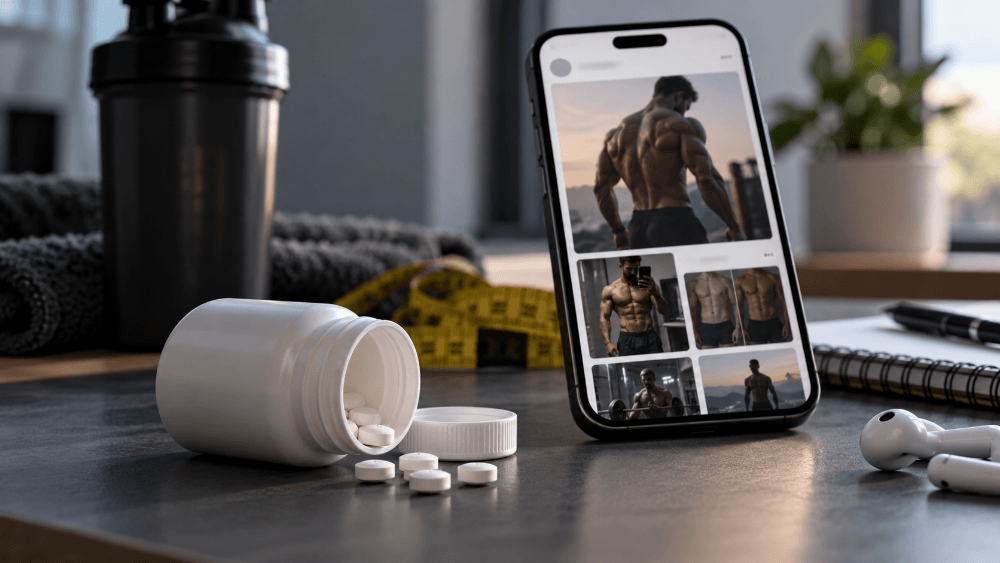
Clenbuterol, often shortened to “clen,” has become more visible in fitness culture because social media has changed how people discover, discuss, and normalize performance-enhancing drugs. What once stayed inside bodybuilding forums, private gym circles, or niche steroid communities now appears in short videos, comment sections, transformation posts, and influencer-driven conversations.
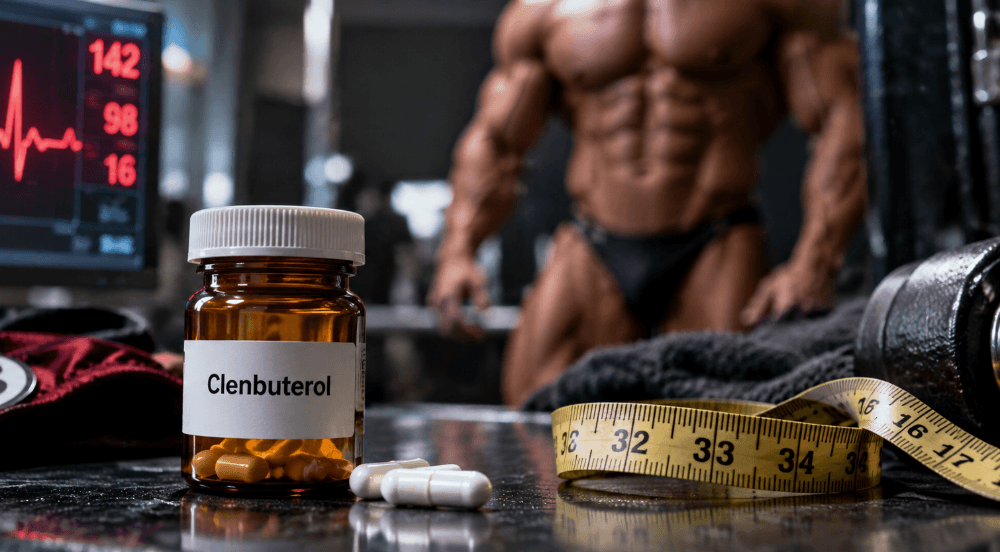
This visibility matters because clenbuterol is not a normal fitness supplement. It is a powerful beta-2 agonist that some people misuse for cutting, fat loss, and physique goals. However, it can also raise heart rate, trigger tremors, increase anxiety, lower potassium, and create serious cardiovascular risk. Therefore, social media conversations can mislead viewers by presenting “clen” as a shortcut rather than a risky drug.
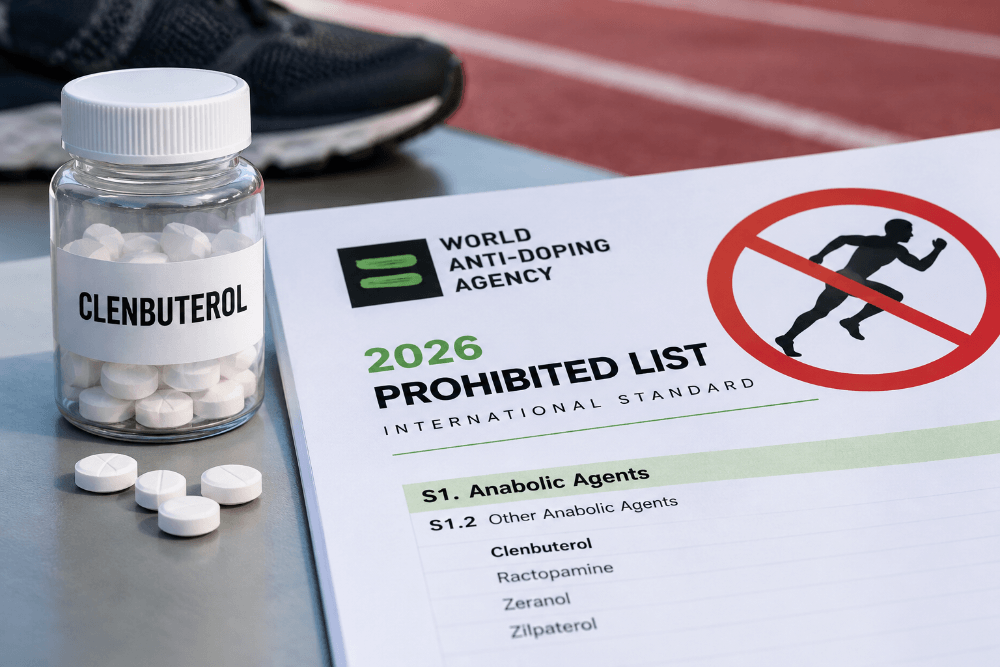
Additionally, clenbuterol sits in a complicated cultural space. It is not an anabolic steroid, yet WADA lists it under “Other Anabolic Agents” and prohibits it in sport at all times. As a result, the online nickname may sound casual, but the real-world consequences remain serious.
Quick Answer: Why Is “Clen” More Visible Online?
“Clen” is more visible online because social media platforms reward dramatic bodies, rapid transformations, controversial topics, and insider language. Fitness creators often use slang, coded terms, before-and-after posts, and algorithm-friendly content to attract attention. Meanwhile, audiences searching for fat loss, cutting, or bodybuilding advice may receive more related videos and posts over time.
Recent research on digital fitness cultures found that clenbuterol-related content appears across Instagram, TikTok, and YouTube, where platform algorithms and “related search” features can lead users toward similar material. The same research argues that social media can broaden exposure beyond hardcore bodybuilding spaces and help normalize harmful use.
So, the issue is not only that people talk about clenbuterol. The issue is that social platforms can make risky drug talk feel ordinary, accessible, and even aspirational.
What Is Clenbuterol?
Clenbuterol is a long-acting beta-2 adrenergic agonist. In some settings, related drugs can affect the smooth muscle of the airways. However, clenbuterol also affects the cardiovascular system, nervous system, metabolism, and signaling in skeletal muscle.
In fitness culture, people often discuss clenbuterol during cutting phases. They may frame it as a “fat burner,” “prep tool,” or “thermogenic.” However, these terms can hide the risk. Poison Control notes that clenbuterol is not FDA-approved for human use in the United States and can cause rapid heart rate, palpitations, tremors, anxiety, low potassium, elevated blood sugar, seizures, and cardiac arrest.
Therefore, calling it “clen” can make the drug sound familiar and less serious. Yet the shorter name does not reduce the medical risk.
How Social Media Normalizes Clenbuterol
Social media normalizes clenbuterol through repetition, aesthetics, and community language. When users repeatedly see the same terms, bodies, and transformation claims, the topic begins to feel familiar. Familiarity can then reduce perceived danger.
This happens in several ways. First, creators may use casual language such as “clen,” “cutting stack,” or “prep protocol.” Second, they may pair the term with highly edited visuals, lean physiques, gym lighting, and transformation timelines. Third, comment sections may reinforce the idea that “everyone knows about it.”
Additionally, social platforms often blur the lines between education, entertainment, marketing, and personal confession. A creator may say they are “just sharing experience,” while viewers interpret the content as advice. As a result, risky drug talk can spread without the safeguards that medical or anti-doping education would require.
Why Fitness Algorithms Make The Topic Louder
Algorithms do not need to “support” clenbuterol to make it more visible. They only need to identify that users engage with extreme fitness content. If a viewer watches bodybuilding transformations, cutting videos, steroid discussions, or supplement reviews, the platform may recommend more intense content.
A 2026 study on #GymTok found that videos showing more muscular bodies and videos rated as more harmful to body image received greater engagement. The study also reported that supplement- and steroid-related content received high harm ratings from clinical experts, while muscularity and perceived harm were linked with more views, likes, shares, and comments.
Therefore, the platform environment can reward exactly the kind of content that makes viewers compare themselves, chase faster results, or seek chemical shortcuts. Over time, “clen” can move from an unfamiliar term to a repeated part of someone’s fitness feed.
The Role Of Influencers And “Insider” Language
Influencers play a major role by translating niche bodybuilding language into mainstream fitness content. Some openly discuss performance-enhancing drugs. Others hint through coded language, jokes, abbreviations, or vague references.
This creates a two-layer message. Publicly, the content may look like entertainment or “real talk.” However, viewers who understand the code may read it as a signal of acceptance, access, or expertise. Additionally, when influencers appear lean, confident, and socially rewarded, their body becomes part of the argument.
Recent reporting on online performance-enhancing drug markets has also shown how fitness influencers can blur the line between wellness branding, social content, and drug promotion through channels such as Telegram.
As a result, clenbuterol visibility isn’t just about hashtags. It is also about trust, status, and the way audiences attach credibility to bodies they admire.
Why “Clen” Appeals To Cutting Culture
Cutting culture focuses on getting leaner while preserving muscle. Clenbuterol appeals to that mindset because it has a reputation for thermogenesis, appetite control, and a harder physique look. However, the reputation often exceeds the evidence.
A 2026 randomized controlled trial found that clenbuterol increased lean mass and strength during resistance training, but fat-mass reduction did not significantly differ from placebo. Additionally, many gains faded after discontinuation and detraining.
This matters because social media often turns complex evidence into a simple claim: “clen gets you shredded.” However, human research shows a more complicated picture. Body composition may change in some settings, but risks and limitations remain central.
Why Young Viewers Face Extra Risk
Young viewers may face extra risk because social media fitness culture can intensify body comparison. Many boys and young men now encounter muscularity-focused content daily, and some begin to link size, leanness, discipline, masculinity, and self-worth.
Coverage of youth fitness trends has highlighted concerns around muscle dysmorphia, extreme training, supplement misuse, and algorithmic exposure to unrealistic body ideals.
In that environment, clenbuterol content can become especially harmful. A teenager or young adult may not have the medical literacy to understand cardiovascular risk, drug legality, anti-doping consequences, or contamination concerns. Moreover, they may compare their natural progress with enhanced physiques without knowing the difference.
Anti-Doping And Athlete Risk
Athletes face another layer of risk. WADA’s 2026 Prohibited List includes clenbuterol under “Other Anabolic Agents,” and anabolic agents are prohibited at all times. WADA also published the 2026 List in September 2025, and it entered into force on January 1, 2026.
Therefore, athletes should not treat social media advice as a substitute for anti-doping guidance. A creator’s personal opinion does not protect an athlete from a positive test. Additionally, clenbuterol contamination cases can involve complex investigations, especially when meat exposure may explain low-level findings in certain regions.
For tested athletes, the safest approach is clear: avoid clenbuterol, avoid unverified cutting products, keep food and supplement records during travel, and ask qualified anti-doping staff before using any medication.
Health Risks That Social Media Often Downplays
Social media often highlights physique outcomes while hiding side effects. However, clenbuterol can cause uncomfortable and dangerous reactions.
Possible warning signs include:
- Fast or irregular heartbeat
- Chest discomfort
- Tremors or severe anxiety
- Shortness of breath
- Dizziness or fainting
- Muscle weakness or cramping
- Severe headache
- Nausea, vomiting, or unusual sweating
These symptoms matter because clenbuterol can affect heart rhythm, potassium levels, blood sugar, and nervous-system activity. Therefore, anyone with concerning symptoms after exposure should seek urgent medical help.
How Readers Can Think More Critically
Readers can protect themselves by asking better questions. Who benefits from this content? Does the creator sell coaching, supplements, private groups, or “research” products? Are they sharing medical evidence or only personal experience? Do they discuss risks as clearly as benefits?
Also, notice the language. If a post uses slang, jokes, or coded terms to make a drug sound casual, pause. If it shows extreme results without medical context, pause again. Additionally, if the content encourages secrecy, private messages, or off-platform purchases, treat that as a major warning sign.

Final Thoughts
Clenbuterol is becoming more visible in fitness culture because social media rewards extreme bodies, insider language, transformation content, and controversial drug discussions. However, visibility does not equal safety.
Ultimately, “clen” may sound like a casual gym term, but clenbuterol remains a powerful drug with cardiovascular risks, anti-doping consequences, and serious misuse concerns. Social media can make the topic feel normal, but the body still pays the biological cost. A better fitness culture should make evidence, health, and transparency more visible than shortcuts.