Table of Contents
Last updated on February 9th, 2026 at 09:36 am
Nick Walker has a blunt message for bodybuilders who insist on staying super-lean all year: it might be time for a reality check.
Who Is Nick Walker and Why His Opinion Matters
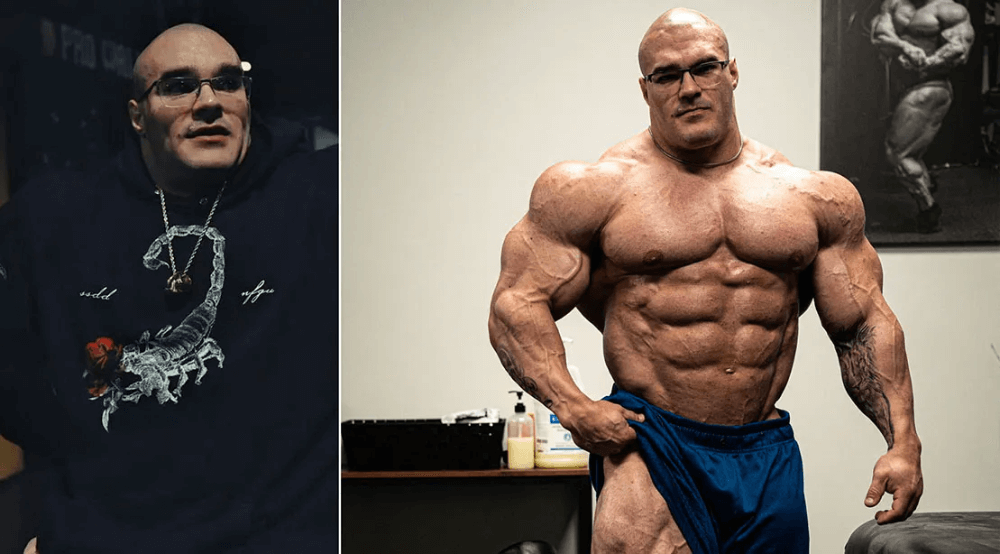
Nick Walker is not just another voice in the bodybuilding world — he’s one of the most recognizable “mass monster” physiques of the modern era. Known as The Mutant, Walker built his reputation through incredible size, density, and conditioning that quickly pushed him into the spotlight. He won the 2021 New York Pro, placed in the top five at Mr. Olympia, and became known for bringing an extreme combination of mass and sharp conditioning to the stage.
What makes his opinion especially valuable is his firsthand experience with both sides of the spectrum. Walker has gone through intense bulking phases to add size and brutal cutting phases to get stage-ready. He knows what it feels like to push the body to its limits — and now, he’s openly warning others about a mistake many athletes make: trying to stay shredded all year long.
Walker on Social Media
Walker, known as “The Mutant,” shared the point in a recent Instagram Reel, calling out the attitude that can come with chronic dieting and the need to look shredded 24/7. In his view, there’s a difference between being short-tempered during the hardest stretch of contest prep and making everyone around you miserable year-round because you refuse to ease up.
He put it like this: when you’re deep into prep—roughly four to six weeks out from a show—most people aren’t exactly “happy-go-lucky.” Low calories, fatigue, and fluctuating blood sugar can make you more irritable, less patient, and generally not great company. That part doesn’t shock him. It’s the lifestyle, and people close to competitive bodybuilders often understand that prep comes with a mental edge.
Where Walker draws the line is when someone carries that same mindset into normal life, outside the pressure cooker of competition. If you’re snapping at people, acting entitled, or walking around in a permanent bad mood just because you want to stay lean all the time, he says you should take a step back and “check yourself.”
The Real Cost of Staying Shredded 24/7
Walker’s argument isn’t really about body fat—it’s about what the obsession does to your behavior and relationships.
Staying very lean year-round usually requires staying in a near-constant dieting mode: strict food rules, reduced flexibility, fewer social meals, and a lot of mental bandwidth spent on controlling hunger and appearance. Over time, that can make someone rigid, reactive, and hard to be around. Walker’s point is simple: the people in your actual life—family, close friends, training partners—end up paying the price for a physique goal they didn’t choose.
In other words, the cost isn’t just physical. It’s social.
“Staying Lean for the Views” Isn’t a Good Reason
Walker also called out a specific motivation he sees online: staying shredded for attention.
If you’re staying lean mainly for social media—likes, comments, views—he thinks that’s a losing trade. He reasons that most people scrolling through content aren’t genuinely invested in your well-being. They might follow your physique updates, but they’re not the ones living with you, dealing with your mood, or supporting you when you’re burnt out.
So if your relationships are taking hits so you can look a certain way on camera, Walker sees that as prioritizing strangers over real life and that’s the part he considers the “reality check.”
His Rule of Thumb: Pick Your Moments
Walker isn’t pretending contest prep is a zen retreat. He acknowledges that when you’re close to a show, you might be more intense, more blunt, and less emotionally flexible. That’s normal, and he believes most people can tolerate a short window of that behavior because it has a clear endpoint.
But if you’re acting that way when you’re not competing—or you don’t even compete at all—he says it’s time to reassess what you’re doing and why. The point of bodybuilding, in his view, shouldn’t be to turn yourself into someone others dread being around.
His advice is essentially: be serious when it’s necessary, but don’t live there.
Walker’s Mindset Heading Into the Competition
Alongside the warning, Walker has also been sharing a more positive message about confidence and momentum. In another post, he said his confidence has returned and encouraged anyone feeling stuck to keep trusting themselves. His takeaway: no one knows you better than you do, and if you stay consistent and honest with yourself, things can fall back into place.
What “Too Lean for Too Long” Actually Does to the Body
Staying extremely lean for extended periods might look impressive, but it comes at a serious cost to the body.
When body fat drops too low for too long, hormones start to suffer. Testosterone levels can drop while cortisol (the stress hormone) rises. This imbalance can lead to poor recovery, muscle loss, and constant fatigue.
Athletes also experience energy crashes and weaker gym performance. Workouts that once felt powerful start to feel draining. Sleep becomes harder, mood becomes unstable, and mental fatigue sets in. On top of that, the metabolism slows down as the body tries to protect itself from what it perceives as starvation.
This is exactly why Walker stresses that being stage-lean should be temporary — not a lifestyle.
The Social Media Pressure to Look Stage-Ready Year Round
Social media has changed bodybuilding culture in a big way. Platforms like Instagram and YouTube have created an environment where athletes feel pressure to always look camera-ready.
Fans expect visible abs, veins, and razor-sharp conditioning in every post. This creates the illusion that professional bodybuilders stay that way all year, when in reality, they don’t. Most pros only look stage-ready for a few weeks each year.
Walker points out that staying lean just for content, likes, and views is not a smart reason to put your body under constant stress.
Off-Season Isn’t About Looking Good — It’s About Growing
One of the most misunderstood parts of bodybuilding is the off-season. Many fans think athletes should still look impressive year-round, but the off-season has a completely different purpose.
This phase is about eating more, recovering properly, and building new muscle tissue. That process often requires a slight increase in body fat. Being a little softer is not a failure — it’s a strategy.
Walker emphasizes that this is when real progress happens. Trying to stay shredded during this time only limits growth and slows down long-term development.
The Mental Health Side of Always Dieting
Always being in a dieting phase doesn’t just affect the body — it affects the mind.
Constant food restriction can lead to food obsession and guilt around eating. Social events start to feel stressful. Athletes may isolate themselves to avoid breaking their diet. Over time, this creates burnout and emotional fatigue.
Walker’s warning highlights something many don’t talk about: staying lean too long can damage your relationship with food and your overall mental well-being.
Examples From Other Bodybuilders Who Echo This View
Nick Walker is not alone in this mindset. Several top names in bodybuilding have shared similar advice.
Chris Bumstead has spoken openly about how different he looks in the off-season compared to stage time. Jay Cutler has also explained that off-season body fat is part of the growth process. Many experienced coaches regularly warn athletes against trying to stay peeled year-round.
This shows that Walker’s message isn’t just personal opinion — it reflects a wider understanding across the bodybuilding industry.
Takeaway
Walker’s message lands because it’s not anti-discipline—it’s anti-obsession.
Being lean can be part of the sport. Staying lean for months on end can be part of the job for a top competitor. But choosing to live in a permanent “prep personality,” especially for attention or aesthetics alone, can quietly wreck the parts of life that actually matter.
His challenge to bodybuilders is straightforward: if you’re chasing shredded year-round and it’s turning you into a worse version of yourself, ask what you’re really proving—and who you’re doing it for.