Table of Contents
- Why Contest Prep Feels Different From Normal Fat Loss
- The Pressure That Builds In Every Prep Phase
- Why Risky Fat Burners Feel Normal In Prep Culture
- The Psychological Mechanics Behind Risky Decisions
- What Risky Fat Burner Culture Often Ignores
- Why Contest Prep Makes Health Trade-Offs Feel “Worth It”
- How To Build A Safer Contest Prep Framework
- Final Thoughts
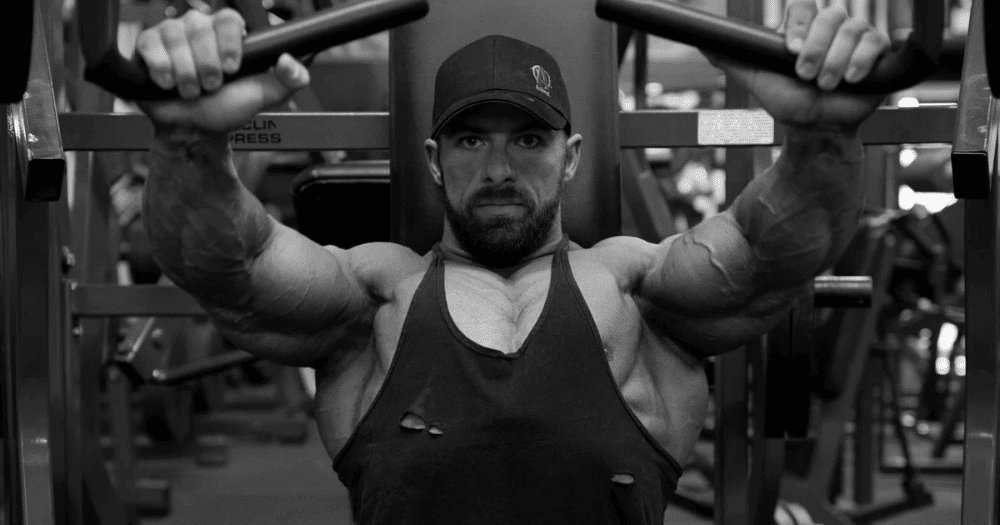
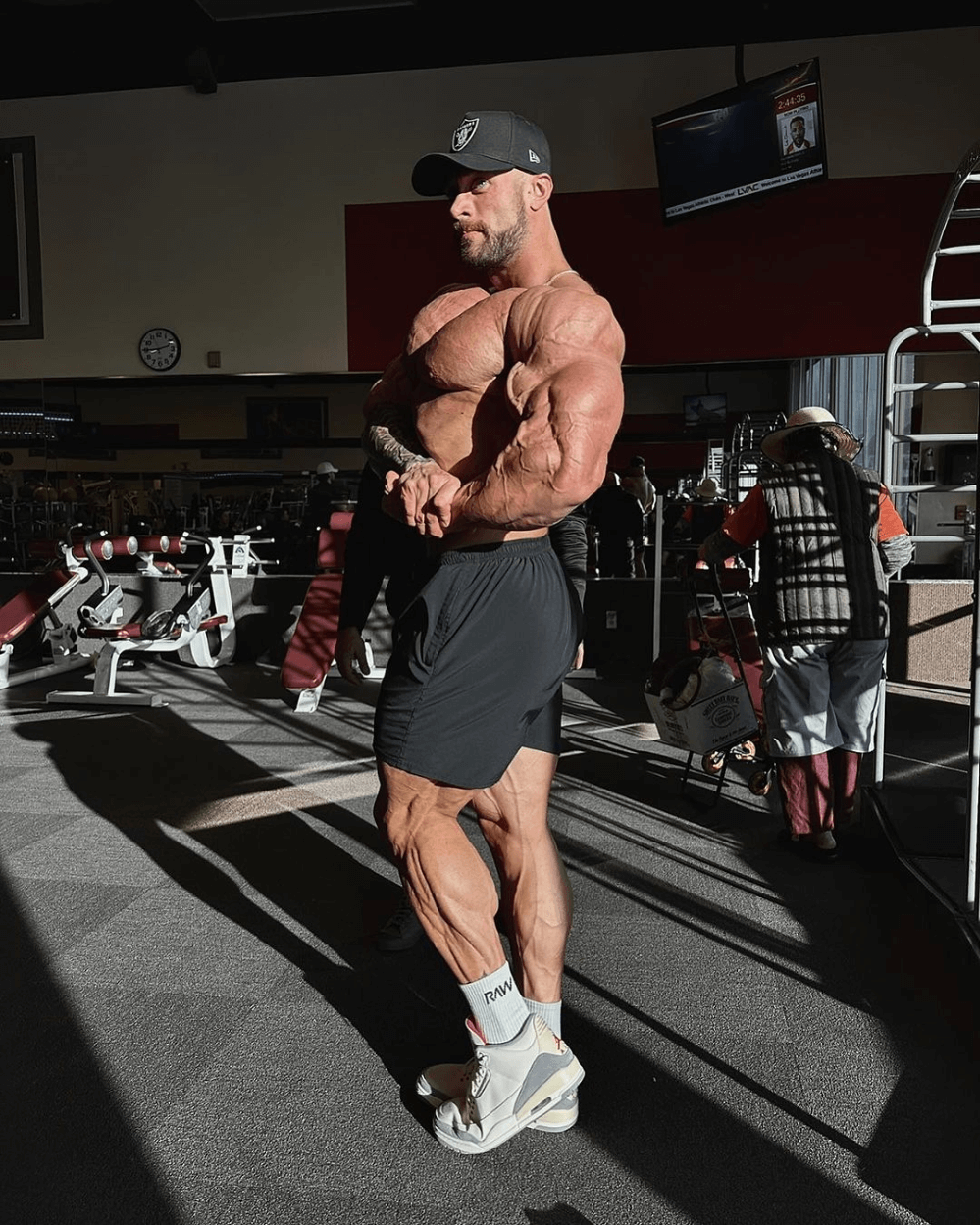
Contest prep is not just a diet. It is a culture with its own language, rituals, and expectations. Athletes commit to months of restriction, training, posing practice, and identity-level sacrifice. Because the goal is stage-lean conditioning, prep becomes a test of discipline and tolerance. However, the same culture that celebrates discipline can also normalize risk.
In recent years, risky fat burners, stimulant stacks, and underground “cutting aids” have become common discussion points in prep spaces. Sometimes people talk about them openly. Other times, they refer to them in code words or abbreviations. Either way, the message is often clear: when fat loss slows, raise the intensity.
This blog post explores why contest prep culture pushes people toward risky fat burners, what emotional and structural forces fuel the trend, and how athletes can protect themselves. Additionally, it offers safer frameworks that still respect the reality of competitive goals.
Why Contest Prep Feels Different From Normal Fat Loss
A general fitness cut focuses on being lean and healthy. Contest prep focuses on being lean enough to win. Therefore, the standard rules change.
In prep, athletes chase:
- extreme leanness and visible striations
- minimal body fat and tight skin
- dry, controlled “stage look.”
- symmetry and definition under harsh lighting
Because judging rewards details that most people never pursue, athletes aim for a level of conditioning that feels abnormal outside competition. As a result, prep creates a psychological environment where “normal safety standards” begin to shift.
Additionally, prep often includes public accountability. Athletes post weekly updates, share check-ins, and openly discuss macros. Therefore, the process becomes performative, which increases pressure to show constant progress.
The Pressure That Builds In Every Prep Phase
Prep pressure does not hit all at once. Instead, it builds in predictable phases, and each phase increases risk tolerance.
Early Prep: Confidence And Control
Early prep often feels manageable. The athlete sees visible progress quickly, energy stays stable, and motivation remains high. Therefore, people rarely think about extreme methods early.
However, early results can create unrealistic expectations. When progress slows later, the athlete may panic because the early pace felt “normal.” As a result, the athlete becomes more vulnerable to shortcuts.
Mid Prep: Plateaus And Comparison
Mid prep creates the first true psychological challenge. Fat loss slows, hunger rises, and workouts feel harder. Meanwhile, social media shows other competitors looking sharper every week. Consequently, comparison begins to dominate decision-making.
At this stage, athletes often hear phrases like:
- “You’re behind.”
- “You need to tighten up.”
- “You need a push.”
Even when coaches mean well, this language can trigger fear. Therefore, risky fat burners begin to feel like a practical solution rather than an extreme choice.
Late Prep: Survival Mode And Desperation
Late prep is where contest prep culture becomes most dangerous. Sleep quality often drops, libido disappears, irritability rises, and recovery becomes fragile. Meanwhile, the athlete has already invested months of effort. Therefore, quitting feels impossible.
Because the brain interprets the situation as high-stakes, it begins to tolerate risks that would feel unacceptable in normal life. Consequently, stimulant stacks, aggressive dehydration, and risky fat burners become “standard prep tools.”
Why Risky Fat Burners Feel Normal In Prep Culture
Prep culture doesn’t just allow risky fat-burning use. It often encourages it indirectly through normalization.
Everyone Talks In Code
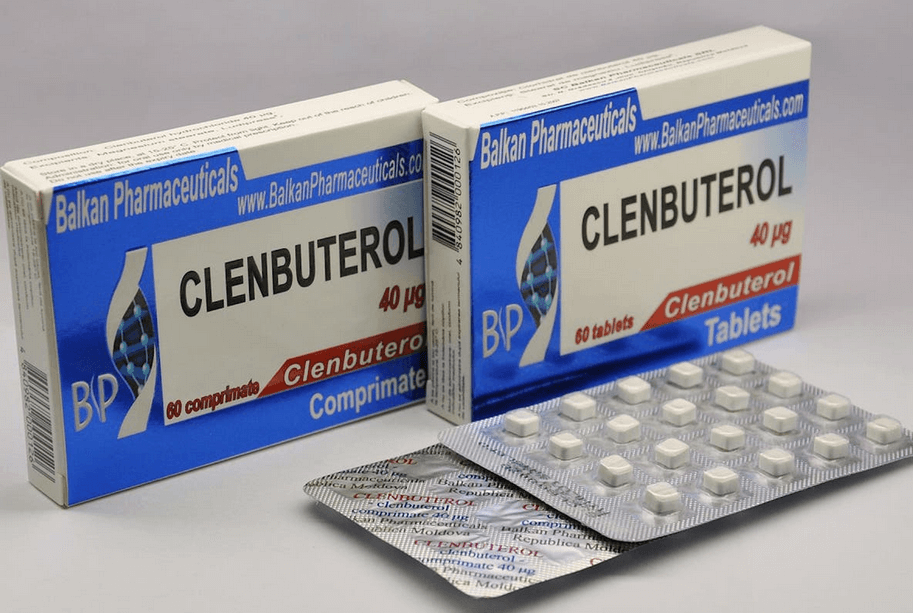
Terms like “Clen,” “ECA,” “Yohimbine,” “T3,” and “fat burner stack” are casually used in prep spaces. Because people use abbreviations, the language sounds normal and controlled. As a result, substances that carry serious risks begin to feel like supplements.
Additionally, when people use coded language, it creates an insider culture. Therefore, newer competitors feel pressure to learn the terms and adopt the tools.
Suffering Signals Commitment
Contest prep celebrates suffering. People praise exhaustion, hunger, and mental toughness. Consequently, athletes interpret discomfort as proof of dedication.
This mindset becomes dangerous when people apply it to stimulants and fat burners. If the heart races, they call it “working.” If sleep disappears, they call it “part of prep.” Therefore, warning signs become badges rather than alerts.
Coaches And Communities Reward Visual Progress
In prep, progress is judged visually. Therefore, anything that improves appearance in the short term becomes valuable.
Risky fat burners can create:
- appetite suppression
- increased sweating
- temporary drying effects
- perceived tightness and “hardness.”
Even if these changes come from stress or water shifts, the mirror rewards them. As a result, athletes reinforce the behavior.
The Psychological Mechanics Behind Risky Decisions

Risky fat burner use often begins with psychology, not physiology.
The Sunk Cost Effect
After weeks of dieting, athletes think, “I’ve already suffered this much.” Therefore, they justify the additional risk because the effort already invested feels too great to waste.
Fear Of Looking Soft
Bodybuilding and physique sports punish softness. Therefore, athletes fear showing up “almost ready” because “almost ready” still loses.
As a result, people use fat burners not because they want to, but because they fear regret.
Social Comparison And Algorithm Pressure
Social media makes contest prep feel like a public competition long before the stage. Athletes compare themselves daily to people with different genetics, drug use, or timelines.
Because platforms reward shredded bodies, they amplify the most extreme physiques. Therefore, the average competitor begins to feel behind even when progress is normal.
What Risky Fat Burner Culture Often Ignores
Contest prep culture tends to treat fat burners as “tools.” However, these tools can create consequences that last far beyond show day.
Cardiovascular Stress Gets Underestimated
Many stimulant fat burners elevate heart rate and blood pressure. During prep, athletes already experience:
- dehydration
- reduced recovery
- calorie restriction stress
- high cardio volume
Therefore, adding stimulants can increase cardiovascular strain at the worst possible time.
Electrolyte Instability Becomes A Hidden Risk
Late-stage prep often involves sweating, low-carb days, sodium manipulation, and water cuts. These strategies shift electrolytes dramatically. Consequently, compounds that further disrupt electrolyte balance can increase the risk of arrhythmias.
Sleep Loss Reduces Fat Loss Progress
Ironically, stimulants can reduce fat loss by destroying sleep. Poor sleep increases hunger, worsens recovery, and impairs training quality. Therefore, aggressive fat burners may create the appearance of progress while harming real progress.
Product Quality And Contamination Risks
Underground fat burners often contain inconsistent dosages. Some supplements also contain hidden drug ingredients. Therefore, athletes can ingest stronger compounds than expected.
Because prep already stresses the body, this unpredictability can trigger dangerous outcomes.
Why Contest Prep Makes Health Trade-Offs Feel “Worth It”
Contest prep is a unique environment where athletes often accept short-term harm for competitive reward. However, the risk does not stay short-term for everyone.
Even when someone “gets away with it,” the culture learns the wrong lesson: it worked, so it must be fine. Therefore, risk normalizes further.
Additionally, many athletes struggle with identity after prep. When show day becomes the center of life, they treat health like a temporary inconvenience. Consequently, dangerous behaviors feel justified because the timeline feels urgent.
How To Build A Safer Contest Prep Framework
If someone wants to compete, they still deserve a safety-first approach. Therefore, the question becomes: how do you reduce risk without ignoring performance goals?
Start Prep Early Enough To Avoid Panic Cuts
The most dangerous decisions happen under time pressure. Therefore, longer prep timelines reduce desperation. When someone has enough time, they can gradually adjust their calorie intake and avoid extreme stimulants.
Prioritize Objective Tracking Over Mirror Panic
Athletes should track weight trends, measurements, and performance data. As a result, they avoid reacting emotionally to daily water shifts or lighting changes.
Build Recovery Into The Plan
Recovery should not be optional. Therefore, sleep, electrolytes, stress reduction, and rest days must become non-negotiable.
Set A “Red Flag” Rule Before Prep Starts
Athletes should decide in advance what symptoms trigger an immediate stop and medical evaluation. For example, chest pain, fainting, severe palpitations, and persistent anxiety should never be normalized.
Because prep changes perception, pre-committing to safety rules can prevent risk escalation.
Choose Coaching And Community Wisely
Culture matters. Therefore, athletes should avoid communities that romanticize self-destruction. Coaches should emphasize health and longevity, not just stage conditioning.

Final Thoughts
Contest prep culture pushes athletes toward risky fat burners because it rewards extreme leanness, normalizes suffering, and amplifies fear of being behind. The pressure builds slowly, then spikes late in prep, when time feels short, and fatigue feels endless. Therefore, athletes often accept risks they would reject in normal life.
However, risky fat burners rarely solve the real problem. Most prep problems come from time pressure, inconsistent adherence, poor recovery, and unrealistic expectations. Consequently, the safest strategy involves better planning, longer prep timelines, and a recovery-first mindset.
Ultimately, the best contest prep culture should celebrate discipline without celebrating self-harm. Stage lean conditioning should not require gambling with your heart, your mental health, or your long-term well-being.