Table of Contents
- What “Clen Tabs” Actually Refers To
- Why “Fast Shred” Content Goes Viral So Easily
- The Most Common Viral Claims About Clen Tabs
- What Viral Posts Usually Leave Out
- Why People Believe Fast Shred Content
- The Reality Check: What Actually Drives A “Clean Shred”
- Safer Ways To Approach Cutting Without Viral Shortcuts
- Final Thoughts

Scroll long enough on fitness TikTok, Instagram Reels, or YouTube Shorts, and you’ll eventually run into it: a tiny pill, a dramatic “before and after,” and a caption promising a fast shred. Sometimes the creator calls it “Clen tabs.” Other times, they call it “the cheat code.” Either way, the message stays the same—take this and get shredded fast.
However, viral content often favors intensity over accuracy. As a result, the “Clen tabs” trend spreads faster than the context needed to understand it. Meanwhile, comment sections reinforce the hype with questions like “How many did you take?” or “Where do you get it?” Consequently, the algorithm sees engagement and pushes the content even harder.
This blog post breaks down the “Clen tabs” trend with a research-first lens. Additionally, it explains why the fast-shredd narrative works on social media, what creators typically leave out, and how people can protect themselves from misleading, high-risk misinformation.
What “Clen Tabs” Actually Refers To
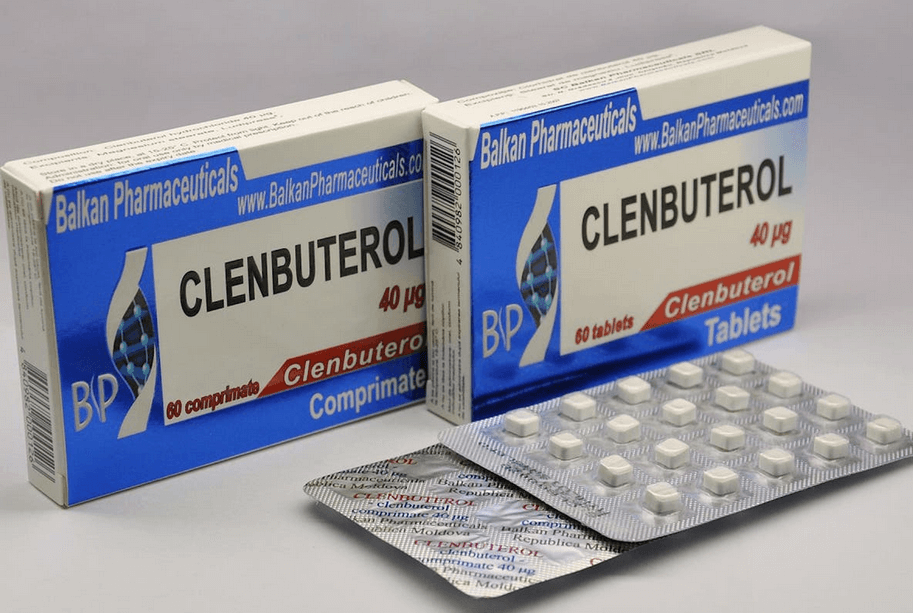
“Clen tabs” usually refers to clenbuterol tablets, a beta-2 adrenergic agonist with medical or veterinary history in some regions. In bodybuilding and influencer culture, it often gets framed as a cutting drug that accelerates fat loss while preserving muscle.
However, clenbuterol is not a casual supplement. In several major markets, it is not approved for human use. Even where it exists legally in some form, it is often subject to strict prescription controls or veterinary oversight.
Despite that complexity, social media reduces the topic into a single claim: fast shred with minimal downside. Therefore, the phrase “Clen tabs” serves as both a product label and a cultural signal—one that conveys insider knowledge and transformational potential.
Why “Fast Shred” Content Goes Viral So Easily
Viral “Clen tabs” content does not go viral because it is accurate. Instead, it goes viral because it fits the platform’s reward system.
The Algorithm Rewards Transformation Stories
Short-form platforms prioritize content that creates instant emotion. Transformation content does that perfectly. It triggers envy, curiosity, motivation, and comparison—all within a few seconds.
Because “fast shred” stories promise a dramatic payoff, they naturally attract more watch time and comments. Consequently, creators repeat the format, and the trend grows.
A sustainable cutting plan requires weeks of consistency. However, “take this pill” fits inside a 10-second video. Therefore, it spreads faster and lands harder.
Additionally, people share shortcut narratives because shortcuts feel exciting. In contrast, gradual fat loss feels boring even though it works.
“Clen” Sounds Casual And Normalized
Creators rarely say “clenbuterol.” Instead, they say “Clen.” That abbreviation matters.
It makes the compound sound like caffeine or creatine. As a result, the name carries less fear and more familiarity. Therefore, viewers treat it like part of the fitness toolkit rather than a potent drug.
The Most Common Viral Claims About Clen Tabs
“Clen tabs” content usually follows a familiar script. Even when creators change the audio, the claims stay consistent.
Claim 1: “It Melts Fat Fast”
Creators often present clenbuterol as a direct fat-loss machine. However, the body does not work that way.
While clenbuterol can increase sympathetic stimulation and influence energy expenditure, it can also stimulate the cardiovascular and nervous systems. Therefore, any “thermogenic effect” comes with systemic strain.
Additionally, weight change in early cutting phases often comes from water shifts. As a result, people may mistake short-term tightening for true fat loss.
Claim 2: “It’s Clean Because It’s Not A Steroid”
This claim appears constantly, and it is technically true but practically misleading.
Clenbuterol is not an anabolic steroid. However, “not a steroid” does not equal “safe.” Instead, clenbuterol can cause tremors, anxiety, rapid heart rate, and electrolyte shifts.
So, while steroid risks often build over time, clenbuterol risks can appear quickly. Therefore, “clean” becomes a branding word, not a medical truth.
Claim 3: “Side Effects Are Just Jitters”
Many creators trivialize side effects. They say things like, “You’ll shake a bit,” or “It just raises your temperature.”
However, stimulant-type side effects are not cosmetic inconveniences. A racing heart, anxiety spikes, and low potassium can escalate. Therefore, framing side effects as “normal” encourages people to ignore warning signs.
Claim 4: “Everyone Uses It For A Cut”
This is social proof disguised as advice.
Even if many people use clenbuterol, that does not make it safe. Popularity does not reduce risk. Instead, popularity breeds more anecdotes, which in turn create the illusion of safety.
What Viral Posts Usually Leave Out

This is where the “fast shred” narrative falls apart. Social media posts rarely include the information that changes decisions.
They Rarely Mention Cardiovascular Stress
Clenbuterol stimulates adrenergic receptors across the body. Therefore, heart rate often rises even at rest.
When heart rate stays elevated for hours, the heart works harder than it should. Consequently, people with unknown heart issues may face a higher risk than they realize.
Even more importantly, fitness culture often stacks stimulants. Many people pair clenbuterol with caffeine, pre-workout, or fat burners. As a result, cardiovascular stress multiplies quickly.
They Rarely Mention Electrolyte Risk
Clenbuterol can shift potassium into cells, which lowers blood potassium levels. Therefore, some people experience cramps, weakness, and increased arrhythmia risk.
This issue gets worse during cutting because cutting often includes dehydration, heavy cardio, low carbs, and sweating. Consequently, the exact conditions that people associate with “shredded” also increase risk.
They Ignore How Long Symptoms Can Last
Creators often treat clenbuterol like a short-acting stimulant. However, clenbuterol can persist in the body and create prolonged effects.
Therefore, if someone experiences anxiety, tremor, or tachycardia, they might not “sleep it off.” Instead, symptoms can persist for a long time, increasing the risk of complications.
They Skip The Legal Reality
“Fast shred” posts rarely mention legality because legality kills virality.
In several countries, clenbuterol is not approved for human use. Even in places where it exists, it may require a prescription or veterinary oversight.
Additionally, importing it can trigger customs enforcement. Therefore, “available online” does not mean “legal to buy.”
They Ignore Product Authenticity
Social media creators often show a blister pack and assume it proves legitimacy. However, the unregulated market contains counterfeit and mislabeled products.
Therefore, even if someone believes they understand the risks, they may still ingest something different than what they intended.
Why People Believe Fast Shred Content
It’s easy to blame “naive viewers,” but that misses the real dynamics.
Cutting Creates Vulnerability
When people diet for weeks, hunger rises, and energy falls. Training feels harder, and progress slows. Therefore, people become more receptive to anything that promises momentum.
Fast shred content targets that exact psychological state.
Social Comparison Drives Riskier Choices
Fitness platforms encourage body comparison constantly. Therefore, people feel pressure to match a look rather than build health.
When someone sees shredded physiques everywhere, they assume extreme methods are normal. As a result, risk tolerance increases.
Identity Matters More Than Logic
Many people want to identify as disciplined, elite, and “serious.” Therefore, they adopt tools that signal seriousness.
Clen tabs become a badge in that culture. Consequently, the drug becomes symbolic, not just pharmacological.
The Reality Check: What Actually Drives A “Clean Shred”
If someone wants a lean physique, the most reliable tools stay boring. However, boring tools still work better than risky shortcuts.
Calorie Deficit Controls Fat Loss
Fat loss requires a consistent calorie deficit. Therefore, no drug can bypass the fundamentals.
While stimulants may reduce appetite or slightly increase energy expenditure, they do not replace consistent intake control.
Protein And Resistance Training Preserve Muscle
Muscle retention depends on protein intake and progressive resistance training. Therefore, cutting success depends on training quality, not a pill.
Additionally, sleep supports recovery and helps regulate hunger. As a result, poor sleep can derail cutting efforts, even when calorie intake is controlled.
Tracking Reduces “False Progress”
Many fast-shred posts rely on lighting, posing, and water manipulation. Therefore, objective tracking protects you from illusion.
Photos, weight trends, waist measurements, and performance data create clarity. Consequently, you can cut effectively without chasing dramatic weekly changes.
Safer Ways To Approach Cutting Without Viral Shortcuts
If you want a more “clean cut” outcome, focus on strategies that reduce risk and increase consistency.
- Use a moderate deficit instead of extreme dieting
- Increase steps before adding intense cardio
- Prioritize sleep before adding stimulants
- Keep electrolyte intake consistent, especially sodium and potassium from food.
- Use caffeine carefully and earlier in the day
- Avoid stacking multiple stimulants, especially during dehydration phases
These strategies do not look dramatic. However, they create stable progress and fewer health surprises.

Final Thoughts
“Clen tabs” go viral because they fit the internet’s favorite story: a fast shortcut that makes hard work easier. However, fast-shredd videos often omit critical context—cardiovascular risk, electrolyte shifts, prolonged symptoms, legal consequences, and issues related to product authenticity.
Therefore, the most important lesson is simple: viral does not mean valid. In fact, the more viral the claim, the more likely it is to rely on omission.
If you want a lean physique, you can achieve it through sustainable cutting strategies that protect your health and performance. Meanwhile, if you wish to stop social media from pushing egregious shortcuts, you need to treat “fast shred” content as entertainment—not as education.