Table of Contents
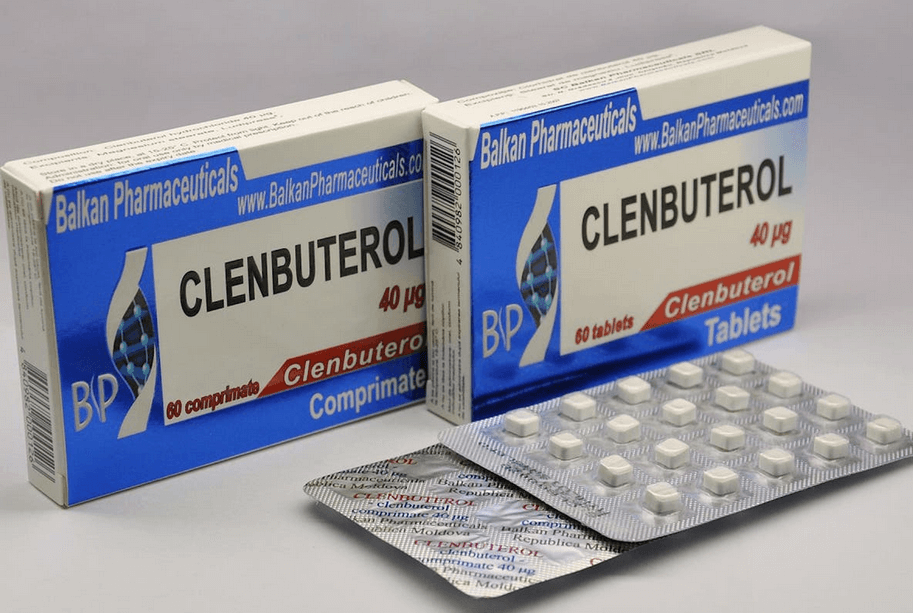
- Why People Look For Clenbuterol During Cuts
- The Foundation: Calorie Deficit With Precision
- Strength Training As A Muscle Preservation Tool
- Increase Steps Before Increasing Cardio
- Protein As A Natural Muscle Protector
- Strategic Carbohydrate Placement
- Sleep: The Most Underrated Fat Loss Tool
- Stress Management During Cutting
- Caffeine As A Controlled Tool
- Green Tea Extract And Mild Thermogenics
- Creatine During A Cut
- Fiber And Satiety Strategies
- Periodized Diet Breaks
- Hydration And Electrolytes
- Realistic Timelines Prevent Desperation
- The Psychological Shift: From Fast Shred To Stable Shred
- Why Natural Alternatives Win Long-Term
- Final Thoughts

Cutting phases challenge both discipline and patience. When calories drop and progress slows, many lifters search for acceleration tools. Consequently, clenbuterol often appears in online discussions. However, stimulant-heavy shortcuts come with serious health and regulatory risks. Therefore, a more pertinent question emerges: which natural alternatives actually work?
The good news is simple. Sustainable fat loss does not require extreme pharmacology. Instead, it requires structured training, controlled nutrition, optimized recovery, and targeted, low-risk support. Moreover, natural methods often protect muscle retention and long-term performance better than aggressive stimulant strategies.
This guide outlines the most effective natural alternatives to clenbuterol for cutting phases. It focuses on evidence-based training adjustments, nutritional precision, recovery systems, and safer supplementation tools. Most importantly, it explains how to create visible fat loss without sacrificing health.
Why People Look For Clenbuterol During Cuts
Before replacing something, you must understand why it attracts attention.
Clenbuterol appeals during cutting phases for three main reasons.
First, it promises faster fat loss. Therefore, people who feel stuck seek it as a metabolic accelerator.
Second, it may suppress appetite temporarily. Consequently, dieting feels slightly easier for some individuals.
Third, it is known for preserving muscle. Therefore, competitors fear losing size and view it as insurance.
However, each of these perceived advantages has a natural alternative. When you build a proper cutting framework, you reduce the perceived need for risky shortcuts.
The Foundation: Calorie Deficit With Precision
Fat loss requires a calorie deficit. Therefore, the first natural alternative to clenbuterol is not a supplement. It is dietary accuracy.
Many stalled cuts occur because intake drifts upward over time. Consequently, the deficit shrinks.
Instead of chasing stimulants, tighten tracking consistency:
- Weigh portions for two weeks
- Track weekly averages instead of daily fluctuations
- Monitor waist measurements
- Adjust calories gradually
Additionally, reduce calories in small increments rather than making drastic cuts. Moderate deficits preserve training quality. Therefore, muscle retention improves naturally.
Precision outperforms panic.
Strength Training As A Muscle Preservation Tool
Clenbuterol is often credited with muscle retention. However, resistance training provides the strongest signal for muscle preservation.
During a cut, focus on:
- Maintaining compound lifts
- Preserving intensity
- Tracking strength trends
- Avoiding excessive volume drops
When strength remains stable, muscle retention improves. Therefore, the most powerful “muscle-sparing” strategy is performance-driven programming.
Moreover, reduce unnecessary cardio if it interferes with recovery. Instead, prioritize lifting quality.
Increase Steps Before Increasing Cardio
Many lifters escalate cardio intensity too quickly. However, high-intensity cardio increases fatigue and hunger. Consequently, adherence declines.
A smarter approach is to increasedaily steps first.
Daily walking:
- Raises energy expenditure gradually
- Improves insulin sensitivity
- Reduces stress
- Minimizes recovery interference
Because walking adds minimal fatigue, it supports sustainable fat loss. Therefore, steps function as a safe metabolic booster.
Only after a step increase plateau should you consider additional cardio.
Protein As A Natural Muscle Protector
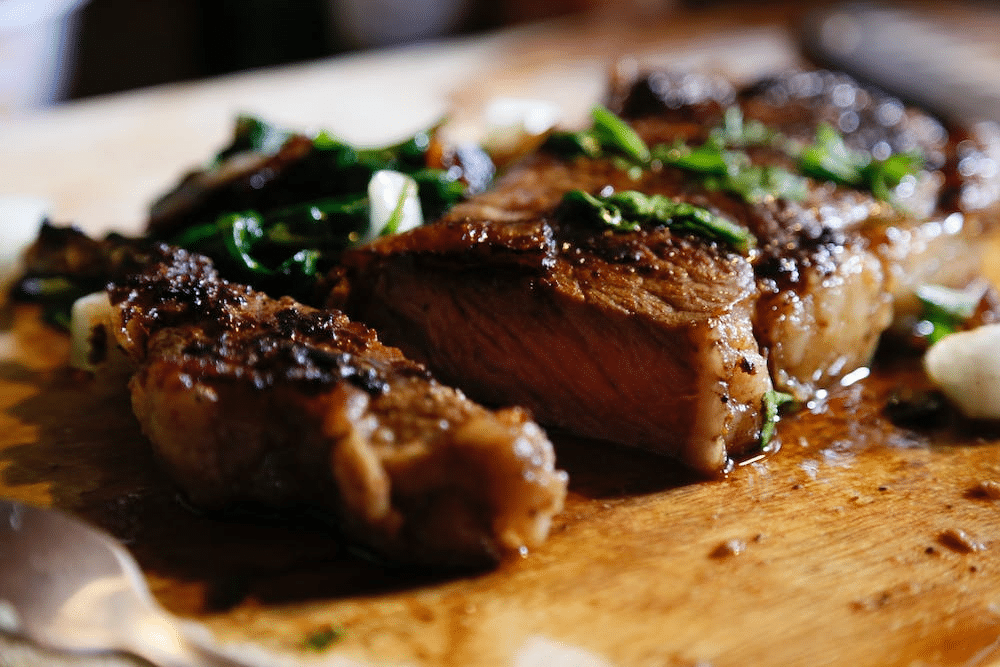
Protein intake plays a critical role during cutting.
Higher protein:
- Increases satiety
- Preserves lean mass
- Supports recovery
- Reduces cravings
Distribute protein across meals evenly. Additionally, pair protein with fiber-rich foods to increase fullness.
When hunger decreases naturally, the temptation to seek appetite-suppressing drugs decreases as well.
Strategic Carbohydrate Placement
Many lifters slash carbohydrates aggressively during cuts. However, carbohydrates fuel training performance.
Instead of eliminating carbs, place them strategically:
- Consume carbs around workouts
- Reduce carbs slightly on rest days
- Choose high-satiety carbohydrate sources
This strategy preserves gym performance. Consequently, muscle retention improves.
Energy timing often outperforms energy restriction.
Sleep: The Most Underrated Fat Loss Tool
Sleep influences hunger hormones, stress regulation, and metabolic efficiency.
Poor sleep:
- Increases cravings
- Raises cortisol
- Impairs recovery
- Reduces training output
Therefore, protecting sleep becomes one of the strongest natural alternatives to stimulant-based cutting.
Prioritize:
- Consistent sleep schedules
- Reduced evening screen exposure
- Limited late caffeine
- Pre-bed wind-down routines
When sleep improves, adherence improves.
Stress Management During Cutting
Dieting increases psychological stress. Consequently, cortisol levels can rise.
Chronic stress:
- Increases hunger
- Promotes water retention
- Reduces training intensity
- Encourages emotional eating
Therefore, stress reduction becomes a strategy for fat loss.
Incorporate:
- Daily outdoor walks
- Controlled breathing exercises
- Light stretching sessions
- Mindfulness routines
Lower stress enhances fat loss without pharmacological stimulation.
Caffeine As A Controlled Tool
While clenbuterol represents high-intensity stimulation, caffeine provides a milder alternative.
Caffeine can:
- Increase alertness
- Enhance workout performance
- Slightly increase energy expenditure
- Temporarily suppress appetite
However, moderation remains critical. Use caffeine earlier in the day. Additionally, cycle intake periodically to prevent tolerance buildup.
Unlike clenbuterol, caffeine allows better timing control and faster clearance.
Green Tea Extract And Mild Thermogenics
Green tea extract contains compounds that may modestly support fat oxidation.
While effects remain small, they can complement structured dieting.
Similarly, capsaicin-based thermogenics may slightly elevate metabolic rate.
However, these compounds amplify good habits rather than replace them. Therefore, treat them as minor enhancements, not primary drivers.
Creatine During A Cut
Many people stop taking creatine during cutting because of concerns about water retention. However, creatine supports strength maintenance.
Maintaining strength helps preserve muscle. Therefore, creatine indirectly supports lean mass retention.
Water retention from creatine occurs within muscle tissue, not under the skin. Consequently, it does not prevent visible conditioning when body fat drops.
Fiber And Satiety Strategies
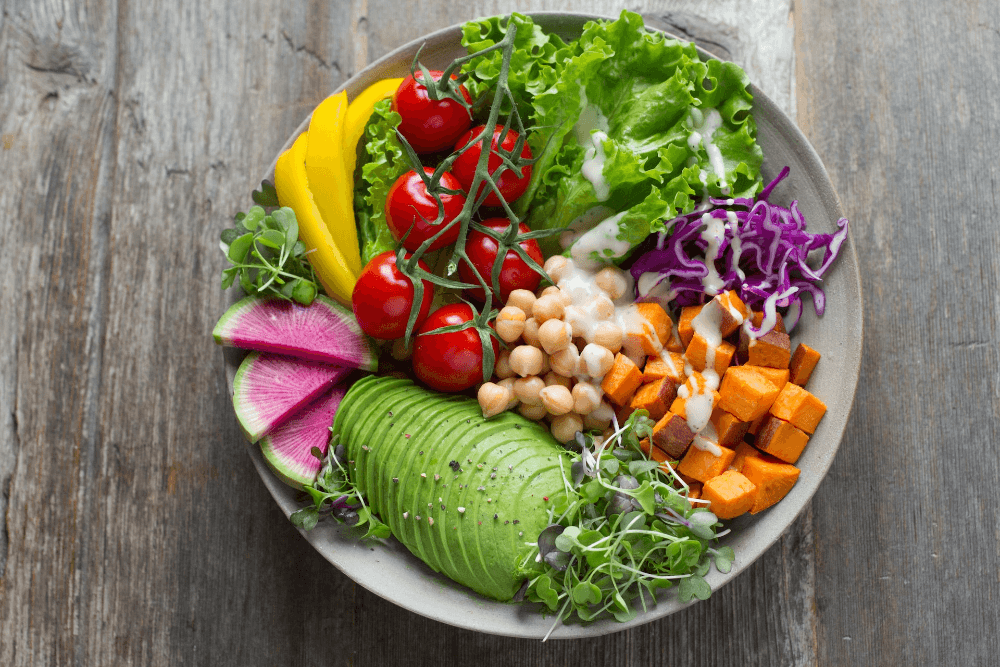
Fiber slows digestion and improves fullness. Therefore, increasing fiber intake can naturally reduce calorie intake.
Include:
- Vegetables at every meal
- High-volume salads
- Legumes
- Oats and whole grains
- Low-calorie soups
High-volume eating makes dieting sustainable. Consequently, extreme appetite suppression becomes unnecessary.
Periodized Diet Breaks
Long cuts increase fatigue and hormonal adaptation.
Strategic diet breaks:
- Restore glycogen
- Reduce psychological burnout
- Improve training output
- Stabilize hormones temporarily
Instead of continuously pushing deeper into deficits, incorporate structured breaks. Therefore, fat loss remains consistent over time.
Hydration And Electrolytes
Hydration affects performance and appetite control.
Dehydration can mimic hunger. Therefore, increasing water intake may reduce unnecessary snacking.
Additionally, proper electrolyte balance supports training intensity and reduces cramping.
Hydration may not sound dramatic, but it quietly enhances cutting efficiency.
Realistic Timelines Prevent Desperation
Many cutting failures stem from unrealistic deadlines.
If you expect dramatic fat loss in two weeks, frustration increases. Consequently, you seek shortcuts.
Instead, extend timelines. A slower cut preserves muscle and reduces stress.
When expectations align with physiology, desperation declines.
The Psychological Shift: From Fast Shred To Stable Shred
The most powerful natural alternative to clenbuterol is mindset.
Fast shred thinking says:
- “I need visible change now.”
- “Side effects mean progress.”
- “More stimulation equals better results.”
Stable shred thinking says:
- “Consistency beats intensity.”
- “Sleep equals recovery.”
- “Moderate deficits protect muscle.”
Therefore, mindset often determines success more than supplements.
Why Natural Alternatives Win Long-Term
Natural cutting strategies:
- Protect cardiovascular health
- Preserve sleep quality
- Maintain psychological stability
- Reduce rebound risk
- Support repeatable yearly cuts
Additionally, natural methods build skill. You learn portion control, hunger management, and performance tracking.
These skills transfer across seasons.
Shortcuts do not.

Final Thoughts
Natural alternatives to clenbuterol for cutting phases exist, and they work. Precision calorie control, structured strength training, adequate protein intake, step-based activity, strategic caffeine use, stress management, and sleep optimization enable consistent fat loss without undue risk.
While clenbuterol may promise rapid change, sustainable cutting relies on fundamentals. Moreover, natural approaches protect health, eligibility, and long-term performance.
In the end, the most impressive physiques come from disciplined systems, not stimulatory shortcuts.