Table of Contents
- What A Clean Bulk Actually Means
- Why People Use Fat Burners During Bulks
- The Biggest Myth: “Fat Burners Keep My Bulk Clean”
- How Fat Burners Can Hurt Muscle Gain
- Why Fat Burners Can Increase Fat Gain During Bulks
- The “Recomp Fantasy” That Drives Bulking Mistakes
- Signs Someone Has Turned Bulking Into Damage Control
- What A Clean Bulk Should Prioritize Instead
- Final Thoughts
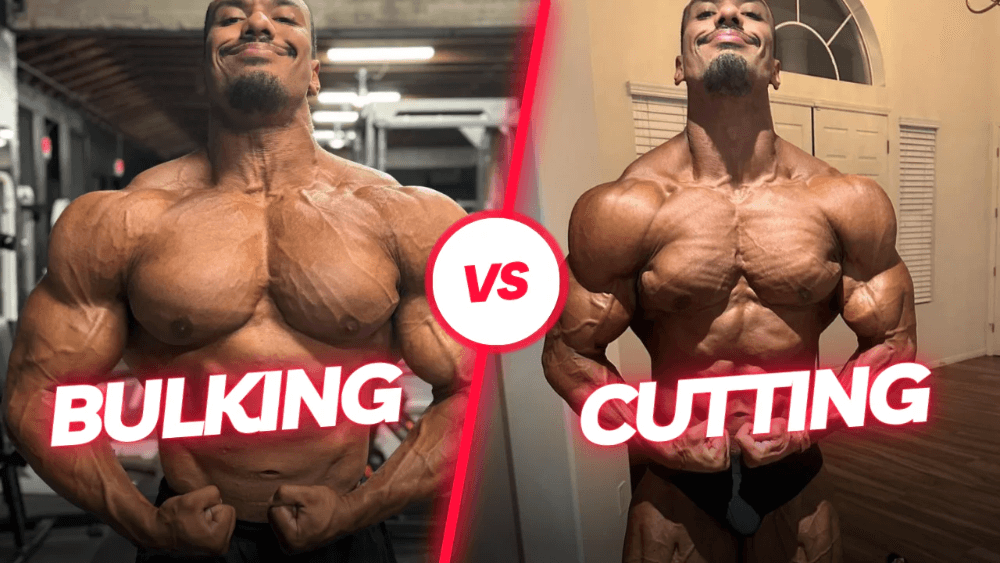
Bulking used to be simple. You ate more, lifted heavier, and accepted some fat gain as part of muscle growth. However, modern fitness culture changed the expectations. Now, many lifters want to bulk while staying lean, tight, and “camera-ready” all year. Therefore, the phrase clean bulk has become both a strategy and a pressure-filled identity.
At the same time, fat burners continue to dominate cutting culture. These products promise faster fat loss, less hunger, and more “definition.” Consequently, a strange trend has emerged: people use fat burners during bulks to control fat gain and “stay clean.” On the surface, that idea sounds logical. If fat burners help in a cut, then they should help keep a bulk lean, right?
However, this is where the confusion between clean bulk and cut creates problems. Fat burners do not fix surplus mistakes. Additionally, stimulant-heavy products can disrupt sleep, increase anxiety, and worsen appetite regulation. As a result, misuse of fat burners during bulks often leads to worse training performance and slower muscle gain.
This blog post explains why people misuse fat burners during bulking phases, the myths that drive this behavior, and how this strategy backfires both physiologically and psychologically. Most importantly, it outlines a smarter, safer approach to bulking that builds muscle without turning food into a constant fear.
What A Clean Bulk Actually Means
A clean bulk should mean a controlled calorie surplus that supports training progression and recovery. In other words, you aim for steady muscle gain while limiting unnecessary fat gain.
However, many people misunderstand the phrase. They hear “clean bulk” and assume it means “gain muscle with zero fat gain.” That expectation rarely matches biology. Therefore, clean bulking works best when it includes realism.
A practical clean bulk often includes:
- a modest calorie surplus
- progressive overload and volume progression
- adequate protein intake
- sufficient carbohydrates for training performance
- consistent sleep and stress management
- acceptance of small, normal fat gain
Because muscle growth takes time, your best “bulk tool” remains consistency, not stimulation.
Why People Use Fat Burners During Bulks
People rarely misuse fat burners because they lack information. Instead, they misuse fat burners because bulking triggers fear.
The Fear Of Fat Gain Creates Bulking Anxiety
Many lifters fear fat gain more than they value muscle gain. Therefore, they bulk while trying to “control” every visual change. When the scale rises, they panic. When the waistline softens, they feel like they failed. Consequently, fat burners become emotional insurance.
Instead of using fat burners to lose weight, many people use them to cease anxiety about eating more.
Social Media Makes Bulking A Visual Competition
Bulking used to happen off-camera. Now, bulking happens under constant comparison.
People post daily mirror shots. They track waistlines obsessively. They compare themselves to influencers who claim they stay shredded year-round. As a result, bulking becomes less about performance and more about aesthetics.
Therefore, fat burners show up because bulking no longer feels like a growth phase. It feels like a risk phase.
Stimulants Create A Feeling Of Control
Fat burners create sensations: sweating, stimulation, appetite shifts, and a “tight” feeling. Even when fat loss doesn’t occur, those sensations make people feel proactive. Consequently, fat burners become psychologically reinforcing.
In other words, people chase the feeling of control, not the physiological outcome.
The Biggest Myth: “Fat Burners Keep My Bulk Clean”
This myth drives most fat-burning misuse during bulks.
A calorie surplus drives weight gain. Therefore, no fat burner can “erase” a large surplus. Even if a product slightly increases energy expenditure, it cannot reliably offset overeating.
Additionally, many fat burners primarily affect appetite rather than metabolism. They suppress hunger, increase nervous system stimulation, or trigger sweating. Therefore, they change how you feel, not the basic math of energy balance.
Consequently, fat burners become a crutch. They replace proper surplus control with stimulation-based coping.
How Fat Burners Can Hurt Muscle Gain
Muscle gain depends on training, nutrition, and recovery working together. Unfortunately, fat burners often disrupt all three.
Appetite Suppression Can Reduce Your Ability To Eat Enough
Bulking requires consistent food intake. Yet many fat burners suppress appetite, especially stimulant-heavy blends.
As a result, people miss meals, under-eat protein, and struggle to hit carbohydrate needs. Then they later overcompensate with overeating. Consequently, their bulk becomes unstable and unpredictable, increasing the risk of gain rather than reducing it.
Sleep Disruption Undermines Growth
Muscle recovery relies on sleep. Sleep supports hormonal regulation, tissue repair, and training adaptation. Therefore, any supplement that disrupts sleep risks slowing gains.
Many fat burners contain caffeine or stimulant-like ingredients. Even if the person falls asleep, sleep quality may decline. Then, the next day brings worse training, higher hunger, and poorer mood stability.
Consequently, fat burners can sabotage bulking progress while giving a false sense of energy.
Stimulants Can Increase Training Stress Without Increasing Recovery
Stimulants make people feel “ready to train.” However, energy and recovery are not the same.
When someone trains harder under stimulation while recovery stays limited, fatigue accumulates. As a result, training performance eventually stalls, and injury risk increases. Therefore, fat burners can reduce long-term training progression even if short-term workouts feel intense.
Why Fat Burners Can Increase Fat Gain During Bulks

This is the most ironic outcome, and it happens often.
Poor Sleep Increases Cravings And Overeating
Stimulant use can reduce sleep quality. Poor sleep increases cravings. Increased cravings lead to overeating. Therefore, the calorie surplus grows larger.
So, the tool meant to prevent fat gain can actually increase it.
The “Permission Effect” Makes People Eat More
Many lifters take a fat burner and think, “I earned extra calories” or “This will balance it out.” Consequently, they eat more than planned, thereby erasing any perceived thermogenic benefit.
So, fat burner misuse often becomes a psychological permission slip to overeat.
Bulking Already Raises Appetite, And Stimulants Disrupt Hunger Signals
Bulking tends to increase hunger naturally. Meanwhile, stimulants distort hunger signals. As a result, people experience chaotic appetite patterns: suppression followed by intense rebound hunger.
Consequently, calorie control becomes harder, not easier.
The “Recomp Fantasy” That Drives Bulking Mistakes
Modern fitness culture heavily promotes recomposition: gaining muscle while losing fat. While recomp can happen in certain contexts, it does not happen easily for everyone. Yet many people try to force recomp during a bulk by using fat burners.
That strategy often leads to a confused middle ground:
- not enough surplus for optimal growth
- too much stress for consistent recovery
- inconsistent appetite and inconsistent training
- constant anxiety about body composition
Therefore, people make slower gains and still feel dissatisfied.
Signs Someone Has Turned Bulking Into Damage Control
If you want to spot fat burner misuse early, look for these patterns:
- fear-driven eating instead of performance-driven eating
- frequent “mini-cuts” during a bulk
- daily scale checking and panic reactions
- stimulant dependence to train or stay “tight.”
- sleep loss and rising anxiety
- an inability to sustain a consistent surplus
When these patterns appear, the bulk stops being a muscle-building phase. Instead, it becomes a constant stress-management exercise.
What A Clean Bulk Should Prioritize Instead
A clean bulk works best when you build structure and remove fear.
Use A Moderate Surplus And Track Weekly Trends
A moderate surplus reduces unnecessary fat gain. Additionally, weekly tracking prevents emotional overreaction to daily fluctuations.
So, instead of reacting to a single “puffy day,” you adjust based on trends.
Prioritize Strength Progress Over Mirror Checks
Strength and performance trends are more reliable predictors of muscle gain than mirror checks. Therefore, track your lifts, volume, and recovery quality.
If strength and volume rise steadily, muscle growth usually follows.
Protect Sleep And Recovery Like They Are Part Of Training
Sleep isn’t optional during a bulk. It is part of the muscle-building system.
Therefore, you should maintain a consistent bedtime, avoid late-night stimulation, and plan training volume with recovery in mind.
Accept Small Fat Gain As Part Of The Process
A clean bulk does not mean “no fat gain.” It means “controlled fat gain.”
When you accept that reality, you stop chasing shortcuts and focus on progress.

Final Thoughts
Fat burner misuse during bulks happens because modern fitness culture blurs the line between bulking and cutting. People want muscle gains without visible softness, and they want it quickly. Therefore, they add cutting tools to the growth phase.
However, fat burners do not create clean bulks. They often create unstable bulks. They can suppress appetite, disrupt sleep, increase anxiety, and reduce recovery quality. Consequently, they can slow muscle gain and still increase fat gain through rebound eating, cravings, and the permission effect.
A clean bulk requires structure, patience, and recovery—not stimulant-driven damage control.