Table of Contents
- Why Women Become The Primary Audience For “Fast Shred” Content
- Why “Clen For Women” Gets Framed As Safe
- The Red Flags In “Clen For Women” Content
- Red Flag 1: “Fast Shred” Promises With No Risk Discussion
- Red Flag 2: “Research Use Only” Or “Not For Human Consumption” Disclaimers
- Red Flag 3: “I Didn’t Get Side Effects, So You Won’t Either”
- Red Flag 4: “Women-Friendly Clen” Or “Women’s Dose” Language
- Red Flag 5: Affiliate Links, Private DMs, Or “Trusted Sources”
- Why Cutting Phases Can Hit Women Harder
- Why Social Media Keeps Pushing Clen Content Toward Women
- The Bigger Warning: Weight Loss Product Fraud And Hidden Ingredients
- Safer Alternatives That Still Support A Lean Look
- Final Thoughts
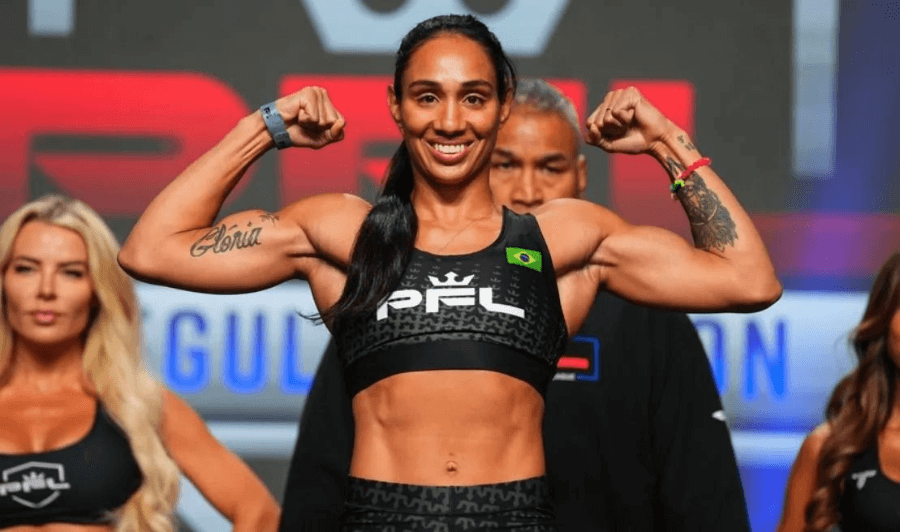
Women’s fitness content has a pattern. It promises a “lean look” that feels effortless, while it hides the effort that truly builds it. As a result, social media often turns fat loss into a beauty standard rather than a health goal. Then, once that standard feels urgent, the algorithm delivers shortcuts. That is exactly why “Clen” content targets women so aggressively.
Clenbuterol is not a casual fat burner. Instead, it is a beta-2 adrenergic agonist with strong systemic stimulation. Therefore, it can affect heart rate, anxiety levels, tremors, sleep, and electrolyte balance at the same time. While some creators frame it as a “clean cutting hack,” credible safety sources associate clenbuterol misuse with serious adverse outcomes, including tachycardia, palpitations, tremors, anxiety, hypokalemia, and prolonged symptoms. Because of this, the “Clen for women” trend deserves a reality check, not more hype.
This article explains why clen content targets women, what marketing tactics drive it, and which red flags signal danger. Additionally, it offers safer cutting frameworks that still respect aesthetic goals without encouraging risky shortcuts.
Why Women Become The Primary Audience For “Fast Shred” Content
Clen content does not target women by accident. Instead, creators and sellers follow a predictable blueprint: target insecurities, promise speed, and sell “control.”
The “Lean But Curvy” Standard Creates Constant Pressure
Women’s fitness culture often promotes a narrow ideal: small waist, visible definition, flat stomach, and round glutes, all at once. However, that goal often conflicts with basic physiology and realistic timelines. Therefore, many women feel trapped between two fears:
- If they eat more, they fear weight gain
- If they diet harder, they fear losing curves, energy, or mood stability
Consequently, a drug framed as “fat loss without sacrifice” becomes extremely tempting. Clen content exploits that exact tension.
Women Experience More Body Surveillance Online
Women often receive more appearance-based feedback than men. Even when the feedback seems positive, it still keeps the body under constant evaluation. As a result, women feel pressure to maintain a “camera-ready” look rather than a healthy body.
Therefore, quick-fix content spreads faster in women’s fitness spaces because the social cost of “looking different” feels higher.
Quick Results Marketing Works Best When Confidence Runs Low
Dieting reduces energy and patience over time. Meanwhile, modern life adds stress, irregular sleep, and mental overload. Because of that, women often search for the simplest solution, rather than the best one.
That timing matters. Clen content often appears when women feel most vulnerable: after a plateau, before a trip, before a shoot, or after a breakup. Therefore, the marketing works because it targets emotional moments, not just fitness goals.
Why “Clen For Women” Gets Framed As Safe
Clen content rarely proves safety. Instead, it implies safety through comparison and aesthetics.
“It’s Not A Steroid” Becomes A False Comfort Line
Creators often say clenbuterol is “clean” because it’s not a steroid. While clenbuterol is not an anabolic steroid, that fact does not make it safe. Instead, the drug can produce stimulant-like side effects that escalate quickly, especially under dieting stress.
So, the phrase “not a steroid” often functions as a distraction rather than reassurance.
“Women Prefer It Because It Won’t Masculinize” Becomes A Sales Hook
Many posts suggest women choose clenbuterol because they fear androgenic side effects. That claim may explain why women discuss clen more than certain other drugs. However, it also becomes a marketing strategy: “This one is made for you.”
Yet clenbuterol can still stress the heart, worsen anxiety, and disrupt sleep. Therefore, avoiding virilization does not mean avoiding harm.
“It’s Only For Cutting” Minimizes Long-Lasting Risk
Creators often frame clenbuterol as something you use briefly, as if brief exposure guarantees safety. However, clenbuterol can produce prolonged stimulation, and symptoms may last days rather than hours. Therefore, a “short phase” can still create a long recovery window.
The Red Flags In “Clen For Women” Content
If you want to quickly evaluate clen content, don’t focus on the physique. Instead, focus on what the post omits.
Red Flag 1: “Fast Shred” Promises With No Risk Discussion
If a post promises dramatic fat loss and never mentions heart strain, anxiety, tremors, insomnia, or electrolyte issues, treat it as dangerous.
When creators skip risk, they don’t educate. Instead, they market.
Red Flag 2: “Research Use Only” Or “Not For Human Consumption” Disclaimers
Many sellers hide behind disclaimers. However, disclaimers do not guarantee legality, quality, or safety. In fact, the presence of these disclaimers often signals that a product exists outside regulated medical frameworks.
Therefore, these phrases should raise suspicion rather than comfort.
Red Flag 3: “I Didn’t Get Side Effects, So You Won’t Either”
This is one of the most misleading claims on social media. Individual sensitivity and product purity vary. Therefore, anecdotal reassurance is not evidence.
Also, many people underreport symptoms because they normalize them. As a result, “I was fine” sometimes means “I ignored warning signs.”
Red Flag 4: “Women-Friendly Clen” Or “Women’s Dose” Language
Gendered framing creates an illusion of control. However, your heart and nervous system don’t respond to marketing labels. Therefore, any post suggesting clen becomes safe because it’s “for women” should trigger immediate skepticism.
Red Flag 5: Affiliate Links, Private DMs, Or “Trusted Sources”
When a creator funnels you into DMs, private links, or coded buying instructions, they shift from education to sales. Consequently, they gain an incentive to minimize side effects and maximize urgency.
Additionally, supply-chain risk rises sharply in these channels. That means counterfeit and mislabeled products become more likely. Therefore, the danger expands beyond the drug itself.
Why Cutting Phases Can Hit Women Harder

Clenbuterol carries risk for everyone. However, cutting contexts can amplify risks in women for practical reasons tied to energy availability, stress, and lifestyle factors.
Anxiety And Sleep Effects Can Escalate Quickly
Women experience higher baseline rates of anxiety disorders on average, and many also deal with chronic stress. During a calorie deficit, mood stability often worsens. Therefore, a stimulant-like drug can intensify anxiety faster than expected.
Sleep matters even more. When sleep drops, hunger rises. When hunger rises, stress increases. Consequently, clenbuterol’s sleep disruption can turn into a full “system overload” cycle.
Electrolyte Instability Often Gets Ignored In Aesthetic Cutting Culture
Many women cut calories by reducing food variety. They also increase cardio, sweat more, and drink more water. However, water intake without balanced electrolytes can worsen instability.
Because clenbuterol can shift potassium levels, cutting environments can amplify risk. Therefore, the aesthetic “lean lifestyle” culture can quietly increase danger while claiming to promote health.
Hormonal Stress From Dieting Can Compound Sympathetic Stress
Severe calorie restriction can disrupt menstrual cycles and increase stress hormones. While clenbuterol does not directly cause all hormonal changes, it can amplify sympathetic stress. Consequently, the body receives multiple threat signals at once.
So, clen content often targets women at the exact time their system is already strained.
Why Social Media Keeps Pushing Clen Content Toward Women
The algorithm prioritizes engagement, not safety. Therefore, clen content thrives because it triggers emotion.
“Fast Shred” Content Produces High Engagement
Fast shred videos drive comments, saves, and shares. Consequently, platforms push them to more people. Then, more creators copy the format because it performs well.
So, the trend grows even if the underlying message is unsafe.
Women’s Fitness Content Often Blends Diet Culture With “Empowerment” Language
Some creators package extreme cutting as empowerment. They use phrases like “discipline,” “glow up,” and “hot girl cut.” As a result, risky drug talk hides behind motivational language.
That framing becomes dangerous because it turns risk into identity. Therefore, rejecting the shortcut can feel like dismissing the “strong woman” narrative.
The Bigger Warning: Weight Loss Product Fraud And Hidden Ingredients
Even when a creator claims their product is “natural,” the weight-loss category has a long history of hidden ingredients and misleading labels. Therefore, clen content often overlaps with a broader fraud ecosystem.
In other words, clen is not the only danger. The market around it creates additional risk.
Safer Alternatives That Still Support A Lean Look
Women do not need risky drugs to cut successfully. Instead, consistent strategies deliver better outcomes with fewer health costs.
Use A Moderate Deficit And Track Weekly Trends
A moderate calorie deficit preserves performance and reduces the risk of rebound. Additionally, tracking weekly trends prevents emotional reactions to water changes.
Prioritize Protein, Strength Training, And Sleep
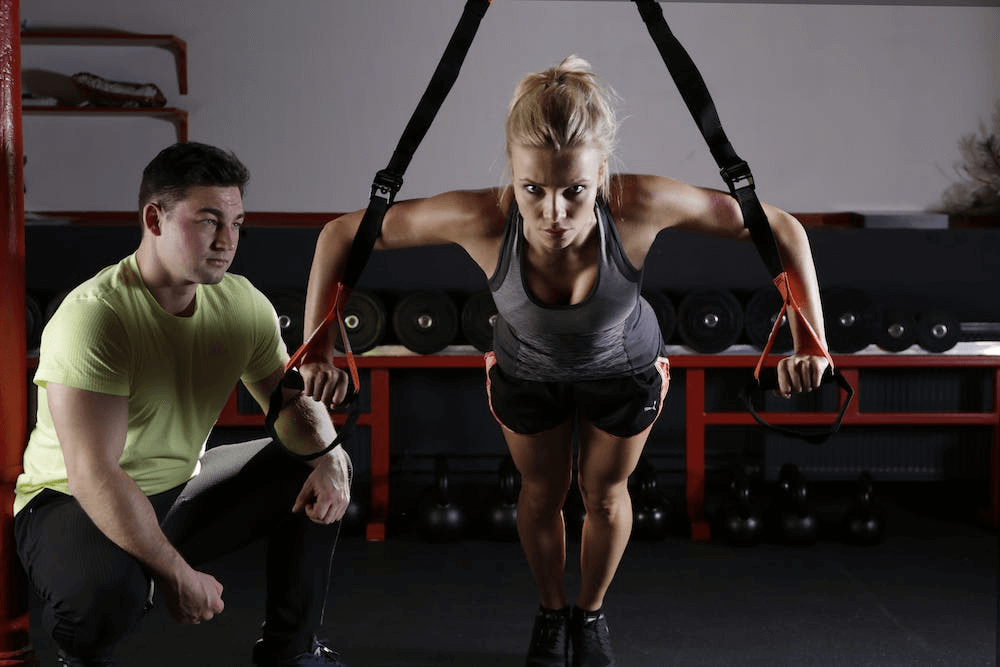
Protein supports satiety and muscle retention. Strength training preserves shape. Sleep improves appetite regulation and recovery. Therefore, these three variables create the “lean look” more reliably than stimulant hacks.
Use Caffeine Strategically, Not Emotionally
Caffeine can help with energy and performance. However, too much caffeine worsens anxiety and sleep. Therefore, treat caffeine like a tool, not a coping mechanism.
Avoid DM Funnels And Stick To Transparent, Regulated Support
If a creator sells a shortcut through private messages, that is a red flag. Instead, prioritize support systems grounded in transparency, coaching ethics, and evidence-based practice.
Final Thoughts
Clen content targets women because women face intense body pressure, algorithm-driven comparison, and marketing that frames leanness as empowerment. Consequently, clen gets packaged as a “clean shortcut” for the lean look. However, clenbuterol is not a harmless aesthetic tool. Instead, it can trigger systemic stimulation that affects heart rhythm, anxiety, tremors, sleep, and electrolyte stability.
Therefore, the most important takeaway is simple: if content promises a fast shred and skips risk, it’s not education—it’s marketing. Women deserve cutting strategies that protect health, performance, and confidence, not shortcuts that gamble with the nervous system and heart.