Table of Contents
- What Bodybuilders Mean When They Say “Clean Cutting”
- Why “Clen” Gets Labeled As A “Clean” Cutting Drug
- The Physiology That Makes Clen Feel Noticeable
- Why Clen Keeps Coming Up In Bodybuilding Culture
- The Biggest Misconceptions That Keep Clen Trending
- Why “Clean Cutting” Makes People Vulnerable To Clen Hype
- The Risks That Get Downplayed
- Why The Algorithm Keeps Feeding The Clen Narrative
- Safer Cutting Strategies That Actually Work
- Final Thoughts
Last updated on December 30th, 2025 at 06:59 pm

Clean cutting has become one of the loudest trends in modern fitness culture. People want visible abs, tight waistlines, and stage-ready conditioning without sacrificing strength, performance, or muscle fullness. As a result, the phrase “clean cut” now represents more than a diet phase. It means a lifestyle identity built around leanness, discipline, and control.
However, as cutting culture grew, the desire for faster results grew with it. Therefore, certain drugs and stimulants started appearing in conversations as “tools” rather than red flags. Among those, “Clen” keeps showing up again and again.
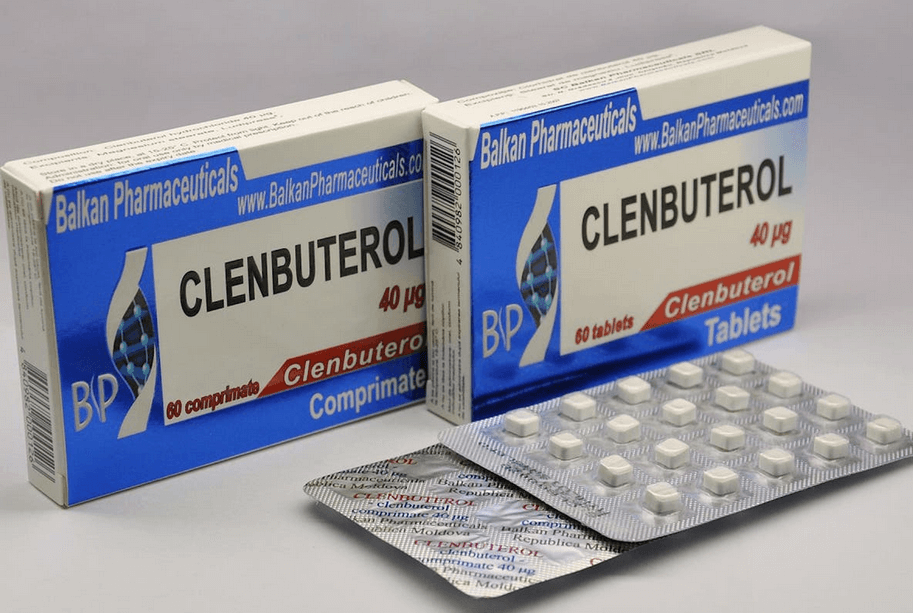
Clenbuterol has a medical identity as a beta-2 agonist used in some places as a bronchodilator and in veterinary settings. Yet in bodybuilding circles, it often takes on a different identity: a “clean” cutting compound that supposedly helps users get lean without the messiness of steroids. Consequently, it becomes easy to see why people keep talking about it. At the same time, that popularity stems as much from culture and psychology as from biology.
This article breaks down the clean-cutting trend and explains why “Clen” remains a recurring topic. Additionally, it highlights the misinformation patterns that keep the conversation alive. Most importantly, it offers safer, evidence-based alternatives for cutting progress that do not rely on risky shortcuts.
What Bodybuilders Mean When They Say “Clean Cutting”
The phrase “clean cutting” has evolved. In older bodybuilding culture, a cut often included aggressive calorie restriction, high cardio volume, and heavy stimulant use. However, modern cutting trends emphasize a different approach.
When people say “clean cutting” today, they usually mean:
- A moderate calorie deficit rather than a crash diet
- High-protein meals with structured macros
- Low inflammation foods, consistent sodium, and clean digestion
- Minimal bloat, minimal water swings, and stable energy
- A focus on body recomposition rather than extreme shrinkage
Because this approach sounds sustainable and “healthy,” many lifters want a compound that matches the vibe. Therefore, drugs marketed as “non-steroidal” often seem more acceptable. Clenbuterol fits that psychological slot perfectly.
Why “Clen” Gets Labeled As A “Clean” Cutting Drug
Bodybuilding forums often place compounds into moral categories. Some things feel “dirty,” while others feel “clean.” Unfortunately, this classification rarely matches medical reality.
People label clenbuterol “clean” for a few reasons:
- It is not technically a steroid
- It does not convert into estrogen like many anabolic agents
- It often produces visible “drying out” and leanness quickly
- It fits a narrative of “fat loss support” rather than “muscle building cheating.”
Because of those perceptions, clenbuterol becomes the “acceptable” shortcut. Moreover, it also gets framed as a “cutting-only” compound, which further reduces fear.
However, the label “clean” reflects social framing rather than safety. Therefore, the term often hides the biggest risk factors: cardiovascular stress, electrolyte shifts, anxiety, and prolonged stimulant toxicity.
The Physiology That Makes Clen Feel Noticeable
Clenbuterol stimulates beta-2 adrenergic receptors. As a result, it can influence smooth muscle relaxation and sympathetic activation. In practice, this stimulation can lead to a handful of sensations that people interpret as “working.”
Commonly described sensations include:
- Increased heart rate and stronger pulse
- Heat production and sweating
- Tremors or shaky hands
- Increased alertness and energy
- Appetite changes or appetite suppression
- A subjective feeling of “dryness” or “tightness”.
Because these sensations appear quickly, people assume fat loss is happening just as quickly. However, short-term sensations do not equal long-term changes in body composition. Still, the psychological reinforcement remains powerful. Therefore, clenbuterol has become a trend.
Why Clen Keeps Coming Up In Bodybuilding Culture

Clenbuterol stays popular because it sits at the intersection of pressure, identity, and algorithm-driven content. In other words, it spreads for cultural reasons as much as pharmacological ones.
Social Proof Creates A Feedback Loop
When people see influencers, competitors, or anonymous forum posters mention “Clen,” the compound gains credibility. Even if the claims lack detail, repetition creates the illusion of consensus.
Then, once someone tries it and sees temporary shifts in water, appetite, or energy, they become another data point in the myth cycle. Consequently, the conversation reinforces itself.
Cutting Culture Rewards Extremes
Modern fitness content rewards sharp transformations. Before-and-after photos gain attention, shredded physiques gain followers, and “what I used” videos gain clicks.
Therefore, cutting becomes less about health and more about optics. In that environment, “Clen” becomes a tool people mention to justify rapid outcomes. Even if the person did not use it, the myth still grows because audiences crave a shortcut explanation.
The Word “Clen” Sounds Normalized
Language shapes perception. People rarely say “clenbuterol” in bodybuilding spaces. Instead, they say “Clen.”
That abbreviation matters because it feels casual, like “creatine” or “caffeine.” As a result, it lowers psychological resistance. It also makes the compound feel like part of a normal cutting toolkit rather than a serious drug.
It Fits The “Non-Steroid” Coping Narrative
Many lifters feel conflicted about anabolic steroids. They worry about long-term effects, stigma, or identity shifts.
However, they still want enhanced results. Therefore, clenbuterol becomes a compromise. It allows someone to say, “I’m not on gear,” while still using a potent drug that alters physiology. In other words, clenbuterol becomes the “I’m still natural” loophole in language, not in biology.
The Biggest Misconceptions That Keep Clen Trending
Clenbuterol’s popularity survives because the misconceptions feel comforting. Unfortunately, these myths also fuel unsafe behavior.
Myth 1: It Only Burns Fat
Clen stimulates the sympathetic system broadly. Therefore, it affects heart rate, potassium shifts, and nervous system excitability. It does not selectively burn fat without side effects.
Myth 2: It Is Safer Than Steroids
People compare clenbuterol to anabolic steroids and conclude it must be safer. However, “not a steroid” does not mean “safe.”
In fact, clenbuterol’s primary danger often shows up immediately through cardiovascular strain, anxiety, and electrolyte imbalance. Steroid complications usually emerge gradually, while clenbuterol complications can appear rapidly.
Myth 3: Side Effects Mean It Is Working
Tremors and tachycardia signal stimulation, not progress. Yet bodybuilding culture often celebrates discomfort. Therefore, people treat side effects like proof of commitment.
Myth 4: Everyone Uses It So It Must Be Fine
This is a social fallacy. Popularity does not reduce risk. Instead, popularity creates more stories.
Why “Clean Cutting” Makes People Vulnerable To Clen Hype
Clean-cutting trends often emphasize “biohacking” and optimization. People track sleep, protein, steps, blood glucose, and supplement stacks. Therefore, they begin to believe they can engineer their bodies like machines.
Once someone believes that, clenbuterol feels like a logical upgrade. They think they can control it with data. However, human physiology does not behave like a spreadsheet. Individual sensitivity varies, product purity varies, and stress context matters. Consequently, an optimization mindset can lead to overconfidence.
Moreover, clean cutting often overlaps with dieting fatigue. As deficits deepen, energy drops and hunger rises. Therefore, the temptation to use a stimulant becomes stronger exactly when risk is higher.
The Risks That Get Downplayed
Even without giving any “how-to-use” guidance, it matters to name the common risks clearly.
Clenbuterol can contribute to:
- Sustained elevated heart rate and palpitations
- Anxiety, agitation, and insomnia
- Tremors and muscle cramps
- Potassium shifts that increase arrhythmia risk
- Dehydration and heat intolerance, especially during cardio
- A cycle of stimulant dependence during dieting phases
Additionally, clenbuterol does not exist in a clean supply chain when sourced outside regulated channels. Therefore, mislabeling and counterfeiting can further increase the risk.
So, while bodybuilding forums frame clenbuterol as “clean,” real-world outcomes often look chaotic.
Why The Algorithm Keeps Feeding The Clen Narrative
Social media platforms reward content that triggers emotion. Clenbuterol content triggers curiosity, fear, controversy, and transformation envy. Therefore, algorithms distribute it aggressively.
At the same time, the content often lacks nuance. Short videos rarely explain mechanism, risk, or legality. Instead, creators turn clenbuterol into a three-part narrative:
- “It works fast.”
- “It’s not a steroid.”
- “Everyone uses it in a cut.”
Because this narrative fits in 30 seconds, it spreads easily. Meanwhile, the truth requires context and boring details. Therefore, myths outperform science in the attention economy.
Safer Cutting Strategies That Actually Work
If you want a leaner physique, you do not need an extreme stimulant. Instead, you need consistent behaviors that produce predictable outcomes.
Here are cutting strategies that work across research and coaching practice:
Use A Moderate Deficit And Keep Performance Stable
A small, consistent deficit beats an aggressive crash diet. Additionally, stable training performance helps preserve muscle better than a deficit that wrecks strength.
Prioritize Protein And Sleep
Protein supports satiety and muscle retention. Meanwhile, sleep controls hunger hormones and recovery capacity. Therefore, sleep becomes a fat-loss tool, even though it does not look “hardcore.”
Build A Step Target Before You Increase Cardio
Steps provide a low-stress calorie burn. Additionally, they avoid the recovery cost of high-intensity cardio. Therefore, steps often help people cut without losing gym performance.
Use Caffeine Carefully And Track It
Caffeine can help, yet it can also impair sleep. Therefore, you should treat it like a tool, not a crutch. If sleep drops, fat loss often slows anyway.
Focus On Consistency, Not Week-To-Week Drama
Clean cutting works best when it feels boring. Therefore, the goal should be repeatable habits, not extreme fluctuations.

Final Thoughts
Clen keeps coming up in bodybuilding circles because it fits the clean-cutting story people want to believe. It feels non-steroidal, fast, and produces noticeable sensations that users interpret as progress. However, those sensations often reflect stress rather than safe transformation.
In reality, clenbuterol sits far outside the “clean” category when you evaluate risk honestly. Moreover, the culture around it often encourages people to ignore warning signs and chase quick results.
Therefore, the most useful mindset shift is simple: clean cutting should mean clean inputs, stable health, and sustainable habits—not a risky drug framed as a shortcut.