Table of Contents
- Myth 1: Clenbuterol Is A Steroid
- Myth 2: Clenbuterol Only Targets Fat Loss
- Myth 3: Side Effects Are Mild And Easy To Manage
- Myth 4: Low Doses Or “Careful Use” Make Clenbuterol Safe
- Myth 5: If It’s Sold Online, It Must Be Legal
- Myth 6: Veterinary Clenbuterol Is Safe For People
- Myth 7: Clenbuterol Doesn’t Seriously Affect The Heart
- Myth 8: Low Potassium Is Rare Or Harmless
- Myth 9: Clenbuterol Will Not Trigger A Doping Violation
- Myth 10: Natural Thermogenics Are Always Safe Alternatives
- Why Clenbuterol Myths Persist
- How To Identify Clenbuterol Misinformation Quickly
- Final Thoughts

Clenbuterol has one of the most distorted reputations in modern pharmacology. Online discussions often frame it as a shortcut, a loophole, or a misunderstood miracle compound. However, these narratives rarely align with science, regulation, or clinical experience. Because clenbuterol can cause serious health effects and legal consequences, misinformation carries a higher cost than most people realize.
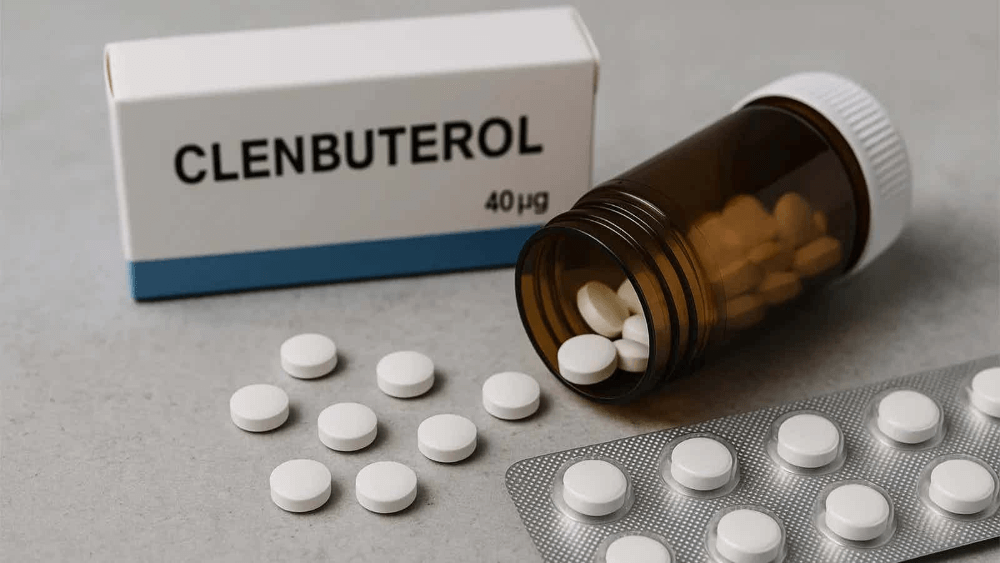
At its core, clenbuterol is a beta-2 adrenergic agonist. In some countries, it has medical or veterinary applications, yet in others, including the United States, regulators do not approve it for human use. Meanwhile, sports authorities ban it outright. As a result, confusion thrives, and myths multiply.
This article addresses the most common clenbuterol myths and explains why each one fails under scrutiny.
Myth 1: Clenbuterol Is A Steroid
This myth appears everywhere, and yet it remains fundamentally wrong.
Clenbuterol is not an anabolic steroid. Steroids act through androgen receptors and influence hormone signaling. Clenbuterol, by contrast, stimulates beta-2 adrenergic receptors, which belong to the sympathetic nervous system.
So why does the confusion persist? Because anti-doping organizations group clenbuterol under “anabolic agents” on prohibited lists. However, that classification reflects enforcement categories rather than chemical structure.
Therefore, while sport rules treat clenbuterol as a serious performance-related substance, it does not share the biological identity of steroids.
Myth 2: Clenbuterol Only Targets Fat Loss
Many people describe clenbuterol as if it selectively burns fat. However, clenbuterol does not distinguish between fat tissue and other systems.
Instead, clenbuterol stimulates beta-2 receptors throughout the body. Consequently, it affects the heart, nervous system, skeletal muscle, and electrolyte balance simultaneously.
While metabolic stimulation may occur, it never operates in isolation. As a result, thermogenic effects come bundled with tremors, elevated heart rate, anxiety, and metabolic disruption. This reality explains why toxicology reports focus on cardiovascular and neurologic symptoms, not cosmetic outcomes.
Myth 3: Side Effects Are Mild And Easy To Manage
Online anecdotes often minimize clenbuterol side effects. Shaking hands, racing heartbeats, and anxiety get framed as “normal” or “temporary.”
However, clenbuterol can cause severe toxicity, and symptoms can persist for days rather than hours. In real-world cases, people experience prolonged tachycardia, dangerous electrolyte shifts, and, in extreme situations, seizures or cardiac complications.
Therefore, the idea that clenbuterol side effects are always mild ignores documented medical outcomes and individual variability.
Myth 4: Low Doses Or “Careful Use” Make Clenbuterol Safe
This myth feels logical, which makes it especially dangerous.
First, clenbuterol toxicity does not scale neatly with dose. Some people experience serious effects at exposures that others tolerate poorly. Second, unregulated products rarely contain consistent amounts of active compound. Therefore, the “dose” someone thinks they are taking may not match reality.
Additionally, tolerance can mask warning signs. As perceived effects fade, physiological stress may continue. Consequently, people may feel “fine” while their heart and electrolytes remain under strain.
So, careful planning does not eliminate risk when unpredictability dominates the equation.
Myth 5: If It’s Sold Online, It Must Be Legal
Availability does not equal legality.
In several major markets, including the United States, clenbuterol does not have approval for human use. Sellers often rely on disclaimers such as “research use only” or “not for human consumption.” However, regulators evaluate intent based on marketing, context, and distribution patterns.
As a result, online availability often signals higher legal risk rather than safety or legitimacy.
Myth 6: Veterinary Clenbuterol Is Safe For People
Some people assume that veterinary-grade products are pure or reliable. However, veterinary authorization applies to animals, not humans.
Even within veterinary medicine, only specific formulations and channels meet regulatory standards. Products sold outside those channels often lack verification, proper storage, or authenticity.
Therefore, “vet grade” functions more as a marketing phrase than a safety guarantee.
Myth 7: Clenbuterol Doesn’t Seriously Affect The Heart
This misconception creates the most immediate danger.
Clenbuterol stimulates the sympathetic nervous system. Consequently, heart rate rises, cardiac workload increases, and rhythm stability can be compromised. When low potassium develops simultaneously, arrhythmia risk increases further.
Medical literature consistently highlights cardiovascular involvement in clenbuterol toxicity. Thus, heart effects do not represent rare edge cases; instead, they define the core risk profile.
Myth 8: Low Potassium Is Rare Or Harmless
Low potassium often sounds abstract until it becomes symptomatic.
Clenbuterol shifts potassium into cells, which lowers blood potassium levels. As a result, people may develop muscle weakness, cramping, or abnormal heart rhythms.
Because clenbuterol also raises heart rate, this electrolyte shift becomes especially dangerous. Therefore, hypokalemia stands as one of the most clinically important clenbuterol effects, not a minor footnote.
Myth 9: Clenbuterol Will Not Trigger A Doping Violation
Some athletes assume clenbuterol only causes problems when used intentionally. However, sports rules operate on a strict liability basis.
Anti-doping organizations prohibit clenbuterol at all times. Even when contamination explanations exist, athletes still face investigations and must meet strict evidentiary standards.
Therefore, clenbuterol exposure represents one of the highest-risk scenarios in sport, regardless of intent.
Myth 10: Natural Thermogenics Are Always Safe Alternatives
After rejecting clenbuterol, some people turn to “natural” fat burners and assume safety by default.
However, regulators repeatedly warn about weight-loss supplements that contain hidden drugs or undeclared stimulants. Therefore, supplement labels do not always reflect reality.
This pattern reveals a broader lesson: extreme fat-loss promises, whether pharmaceutical or “natural,” often signal elevated risk.
Why Clenbuterol Myths Persist
Clenbuterol myths survive because they offer appealing shortcuts. They simplify complexity, downplay risk, and promise control.
However, pharmacology rarely rewards shortcuts. In the case of clenbuterol, the same mechanism that produces noticeable stimulation also causes cardiovascular and metabolic instability.
As long as online culture values dramatic outcomes over evidence, misinformation will continue to circulate.
How To Identify Clenbuterol Misinformation Quickly
You can filter out unreliable claims with a few simple rules:
- Reject claims that promise results without risk
- Question any source that dismisses heart or electrolyte effects
- Treat “legal online” language as a warning sign
- Be skeptical of anecdotal safety assurances
When sources ignore toxicology, regulation, or physiology, they usually replace evidence with hype.
Final Thoughts
Clenbuterol myths thrive because they sound convincing in isolation. However, when you examine the full picture—mechanism, regulation, toxicology, and sport rules—the story changes.
Clenbuterol is not a steroid, not a selective fat burner, and not a substance whose risks disappear with planning. Instead, it represents a powerful beta-2 agonist with systemic effects that can escalate quickly and unpredictably.
Therefore, the most important misconception to abandon is the belief that the risk of clenbuterol is manageable through internet advice. In reality, credible evidence consistently favors caution, education, and safer, regulated alternatives.