Table of Contents
- What Beta-2 Agonists Are
- Where Beta-2 Receptors Are Found
- The Core Signaling Pathway
- How Beta-2 Agonists Relax Airway Smooth Muscle
- Why Clenbuterol Produces Strong Systemic Effects
- Beta-2 Agonists And Metabolism
- Why Beta-2 Agonists Lower Potassium Levels
- Nervous System Effects And Tremors
- Desensitization And Tolerance
- Why the Route Of Exposure Changes Risk
- Why “Same Receptor” Does Not Mean “Same Safety”
- Key Scientific Takeaways
- Final Thoughts
Beta-2 agonists play a central role in modern respiratory medicine. They relax airway smooth muscle, improve airflow, and help relieve bronchospasm. However, beta-2 receptors exist far beyond the lungs. Because of that distribution, beta-2 agonists can affect the heart, skeletal muscle, metabolism, and electrolyte balance simultaneously.
Clenbuterol offers a clear and instructive example of this biology. Although some countries have used it medically or veterinarians prescribe it for horses, clenbuterol produces strong and long-lasting systemic effects. As a result, it highlights both the power and the risks of beta-2 receptor activation. Therefore, understanding clenbuterol requires understanding the underlying beta-2 pathway itself.
This article explains how beta-2 agonists work, how clenbuterol fits into that framework, and why the same mechanism can produce benefit in one context and harm in another.
What Beta-2 Agonists Are
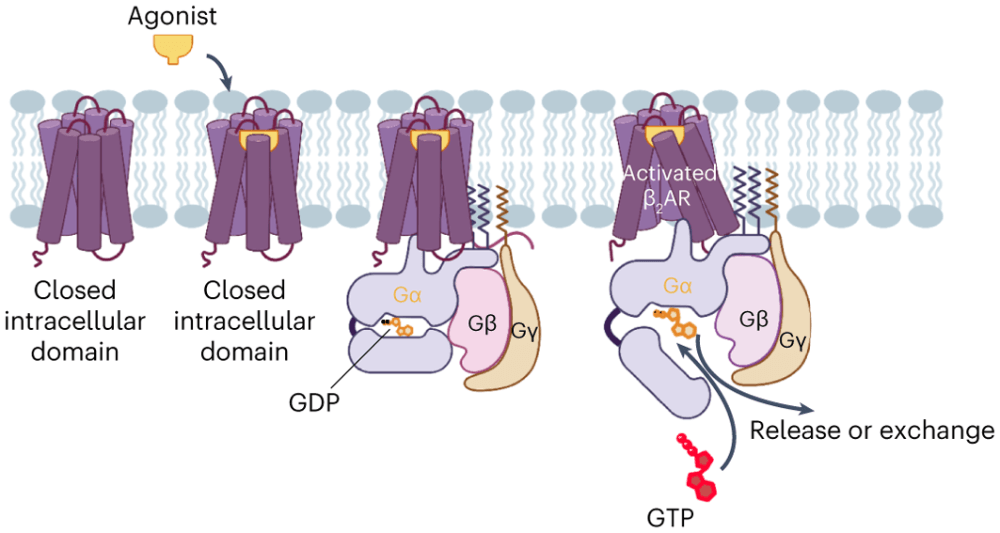
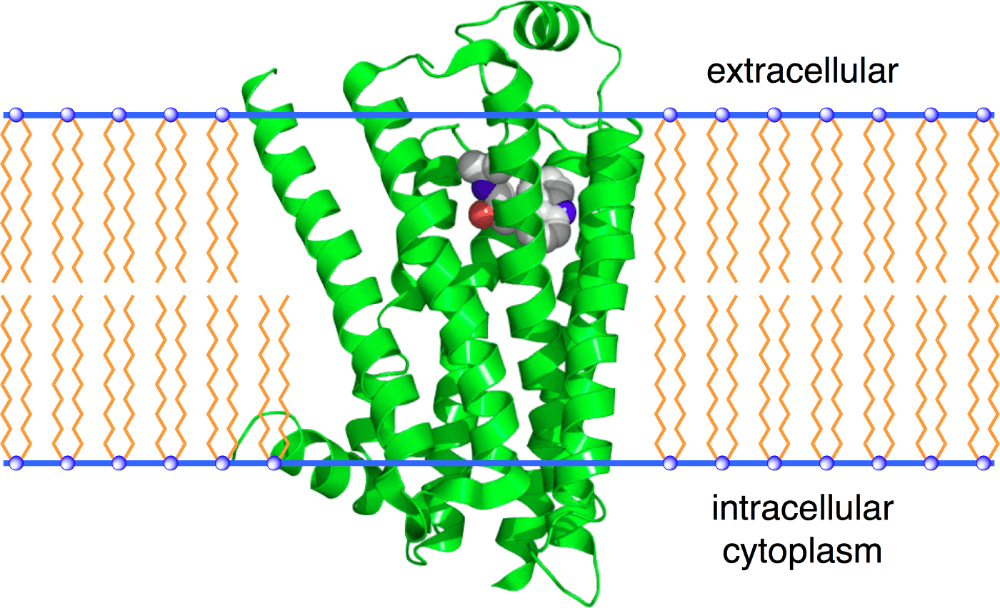
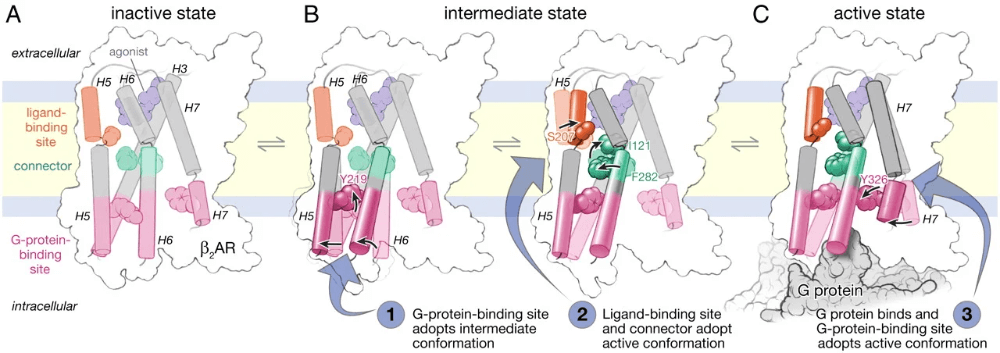
Beta-2 agonists are compounds that bind to and activate the beta-2 adrenergic receptor. This receptor belongs to the G-protein-coupled receptor family, which means it converts an external signal into a coordinated internal response.
In clinical practice, beta-2 agonists help treat airway constriction by relaxing smooth muscle in the bronchi. Consequently, airflow improves, and breathing becomes easier. Short-acting agents provide rapid relief, while long-acting agents support maintenance therapy.
Clenbuterol activates the same receptor family. However, unlike inhaled respiratory medications, clenbuterol often produces systemic exposure. Therefore, its effects extend well beyond the lungs.
Where Beta-2 Receptors Are Found
Many people assume beta-2 receptors exist mainly in the lungs. In reality, they appear throughout the body.
Beta-2 receptors are present in:
- Airway smooth muscle
- Skeletal muscle
- Liver tissue
- Vascular smooth muscle
Because of this widespread distribution, activating beta-2 receptors affects multiple systems simultaneously. As a result, a beta-2 agonist can simultaneously change breathing, heart rhythm, glucose handling, and electrolyte balance.
This distribution explains why delivery method matters. Inhaled beta-2 agonists target the lungs, while systemic exposure increases whole-body stimulation. Clenbuterol, which commonly appears as a systemic drug, therefore amplifies both desired and undesired effects.
The Core Signaling Pathway
At the center of beta-2 agonist action lies a single signaling cascade.
First, a beta-2 agonist binds to the beta-2 receptor on the cell surface. Next, the receptor activates a stimulatory G protein. Then, this G protein activates adenylyl cyclase, which increases intracellular cyclic adenosine monophosphate (cAMP).
Because cAMP acts as a second messenger, small changes at the receptor level can produce large downstream effects. Consequently, beta-2 agonists often feel powerful even at relatively low exposure.
How Beta-2 Agonists Relax Airway Smooth Muscle
Bronchodilation depends on smooth muscle relaxation. Beta-2 agonists achieve this effect by altering intracellular signaling inside airway muscle cells.
When cAMP levels rise, protein kinase A becomes more active. As a result, contractile signaling inside the smooth muscle cell decreases. Therefore, the muscle relaxes, and the airway widens.
This mechanism explains why beta-2 agonists work quickly during bronchospasm. However, the same signaling pathway operates in other tissues, which explains why effects extend beyond breathing.
Why Clenbuterol Produces Strong Systemic Effects
Clenbuterol does not introduce a new mechanism. Instead, it amplifies an existing one.
Several factors contribute to its strong systemic impact:
- Potent beta-2 receptor activation
- Systemic rather than localized exposure
- Prolonged duration of action
Because clenbuterol remains active longer than many beta-2 agonists, its effects can persist for days. As a result, both stimulation and side effects may accumulate over time rather than resolving quickly.
This persistence explains why clenbuterol misuse often leads to prolonged tremors, palpitations, and metabolic disturbances.
Beta-2 Agonists And Metabolism
Beta-2 receptors influence metabolic pathways in skeletal muscle and the liver. When activated, they can stimulate glycogen breakdown and increase glucose release into the bloodstream.
Therefore, beta-2 agonists may raise blood sugar levels. Additionally, sympathetic stimulation increases energy expenditure and heat production. This effect explains why clenbuterol often appears in discussions of thermogenesis.
However, metabolic stimulation does not occur in isolation. Because the heart and nervous system respond simultaneously, metabolic effects often accompany cardiovascular strain.
Why Beta-2 Agonists Lower Potassium Levels
One of the most clinically important beta-2 effects involves potassium regulation.
Beta-2 receptor activation stimulates sodium-potassium pumps in skeletal muscle. As these pumps move potassium into cells, blood potassium levels can drop. Consequently, hypokalemia may develop, sometimes rapidly.
Low potassium levels matter because they affect electrical signaling in muscles and the heart. Therefore, combining tachycardia with hypokalemia increases arrhythmia risk. Clenbuterol highlights this danger because it can trigger both effects simultaneously.
Nervous System Effects And Tremors
Beta-2 agonists also increase neuromuscular excitability. As a result, tremors often appear, especially in the hands.
Clenbuterol magnifies this effect because of its potency and duration. Therefore, tremors may persist and worsen with anxiety, sleep loss, or additional stimulation.
This nervous system activation explains why clenbuterol often produces restlessness and difficulty sleeping alongside physical symptoms.
Desensitization And Tolerance
The body adapts to repeated beta-2 stimulation. Over time, receptor signaling weakens through a process called desensitization.
Cells achieve this adaptation by:
- Phosphorylating the receptor
- Reducing receptor coupling to G proteins
- Internalizing receptors away from the cell surface
As a result, responsiveness decreases. However, this reduced response does not eliminate risk. Instead, people may feel fewer benefits while still experiencing cardiovascular and metabolic strain.
Therefore, tolerance does not equal safety.
Why the Route Of Exposure Changes Risk
The route of exposure strongly influences the effects of beta-2 agonists.
Inhaled beta-2 agonists target airway receptors more directly. As a result, they usually produce fewer systemic effects at therapeutic doses.
Clenbuterol, by contrast, commonly produces systemic exposure. Therefore, it activates beta-2 receptors throughout the body. This difference explains why clenbuterol feels fundamentally different from inhaled asthma medications, even though the receptor target remains the same.
Why “Same Receptor” Does Not Mean “Same Safety”
People often assume that all beta-2 agonists share the same safety profile. However, that assumption ignores critical variables.
Safety depends on:
- Potency
- Duration of action
- Delivery method
- Regulatory oversight
Clenbuterol differs across all of these dimensions. Therefore, comparing it directly to inhaled respiratory medications oversimplifies the risk.
Key Scientific Takeaways
Beta-2 agonists activate a GPCR pathway that increases cAMP. As a result, the airway smooth muscle relaxes, and breathing improves.
However, beta-2 receptors also regulate potassium shifts, metabolic activity, and neuromuscular signaling. Consequently, beta-2 agonists can cause tremors, tachycardia, hypokalemia, and metabolic changes.
Clenbuterol illustrates the end of this biology. Because it produces strong, prolonged systemic stimulation, it highlights the power of beta-2 signaling when exposure extends beyond the lungs.
Final Thoughts
Beta-2 agonists illustrate how a single molecular pathway can confer both benefits and risks. In respiratory care, targeted beta-2 activation saves lives. However, when exposure becomes systemic and prolonged, the same mechanism can strain the heart, disrupt electrolytes, and destabilize metabolism.
Clenbuterol does not alter the mechanism of action of beta-2 agonists. Instead, it magnifies their effects. Therefore, understanding clenbuterol requires understanding beta-2 biology first.